
8 Easy Prevention Tips for Mid-Atlantic Spiders
8 Easy Prevention Tips for Mid-Atlantic Spiders
Summary: Spiders are silent invaders that hide in clutter and dusty corners while they build webs or hunt their prey. They’re especially active in fall and winter. This blog gives 8 effective prevention tips for Mid-Atlantic spiders to keep local homes spider-free in every season.
A spider problem is much different than a typical pest problem. These independent arachnids don’t require the same treatments and general assessments that, say, termites or ants do. That being said, spider prevention is still an essential component of maintaining a pest-free home.
This is especially true in the fall and winter months. Spiders, like most pests, enjoy the dry, warm conditions of a house. The additional appeal for spiders is the food they find indoors — aka the bugs who managed to sneak inside. Therefore, the foundational elements of preventing spiders are removing their entry points and food sources.
So, let’s explore 8 efficient ways to prevent spiders from turning your home into a web-infested house!
Clean the Floors
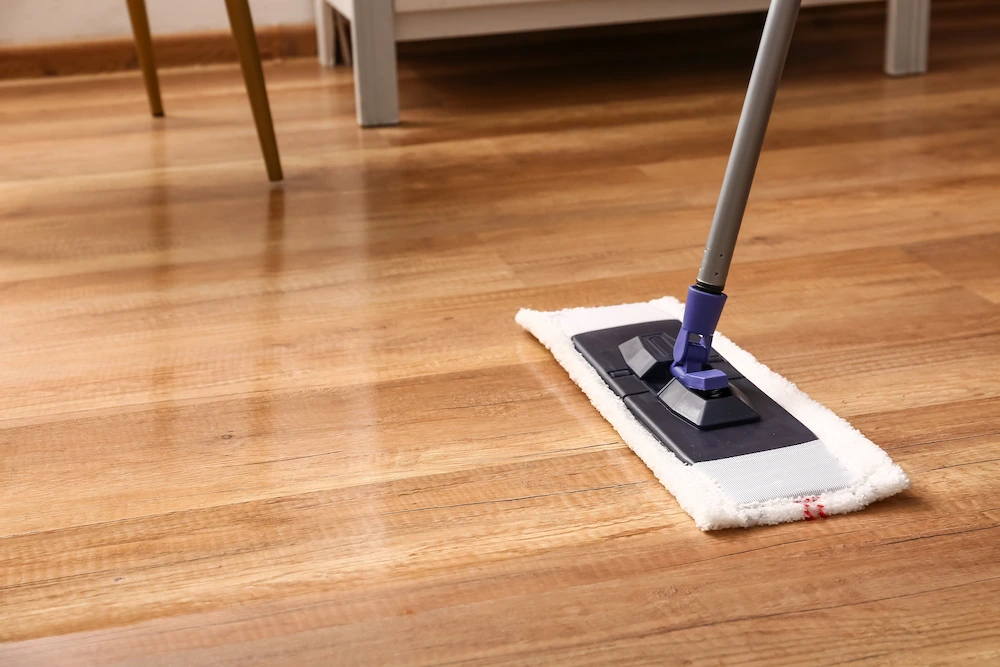
You’ll notice a pattern with most of these tips, where a lot of them sound more like your basic chores than exciting prevention tips. Actually, chores and pest prevention go hand-in-hand! Cleaning the floors eliminates the dust and debris that spiders hide within and disturbs their webs.
At least once a week — more if you have indoor pets — clean the floors with your method of choice. Whether it’s sweeping, vacuuming, or mopping, you’ll effectively remove those arachnid hiding spots. Focus on the corners of each room and under or behind furniture when there’s room for your cleaning device.
Remove Webs and Eggs
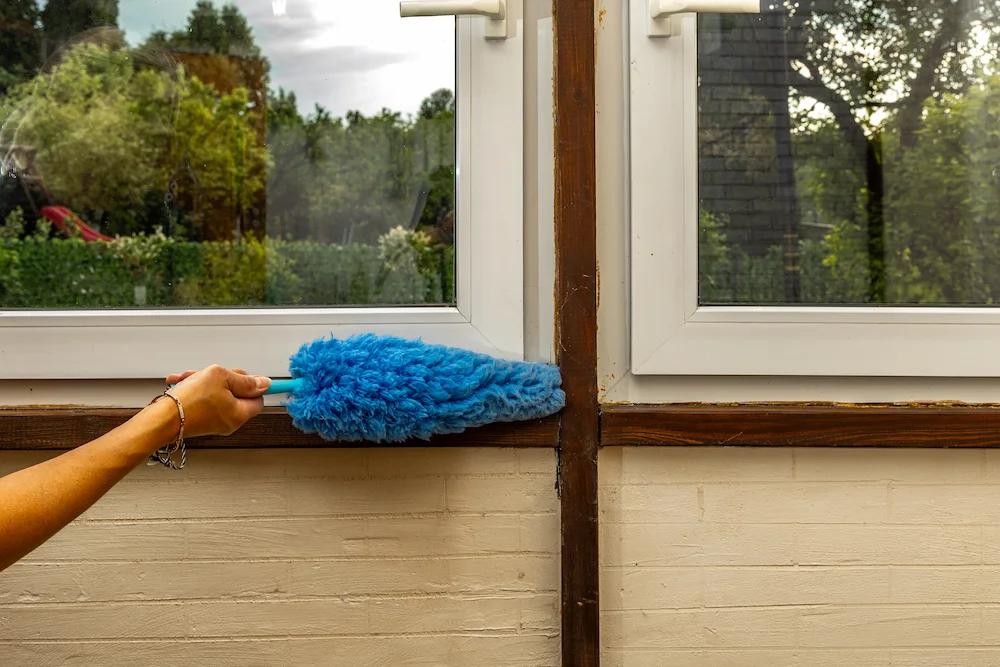
If you’re already seeing evidence of spiders in your house, you can avoid further issues by getting rid of their reasons to stick around! Removing their webs and egg sacs deters spiders from reproducing. These items might seem harmless now, but leaving them alone can result in a future infestation. Egg sacs can have hundreds or thousands of eggs inside!
Use the vacuum’s hose attachments to remove webs and egg sacs, then empty the canister in a plastic bag and throw it away in the outdoor garbage can. When you go in your storage spaces (garage, basement, etc.), check the edges of bins and boxes for hidden webs and egg sacs and remove those with the same attachments.
Organize Belongings
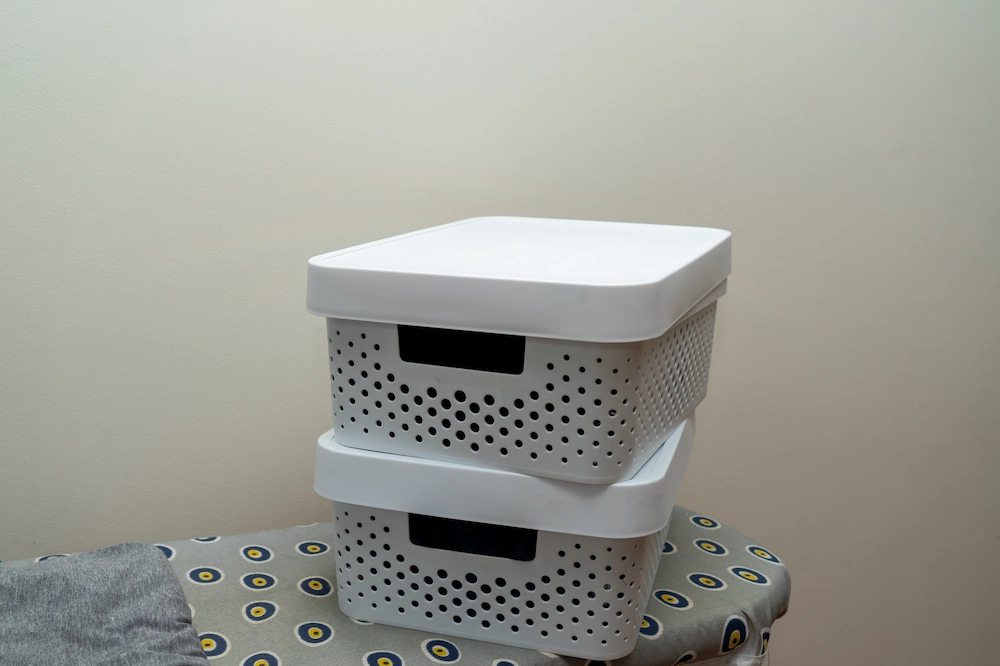
Depending on your personal relationship with organization, this is either a dream or a nightmarish suggestion. Spiders thrive in clutter because they have unlimited hiding spots. Paper, clothes, toys, and random items that are left in untouched piles give spiders plenty of areas to hide within. Organizing these eliminates the hiding spots.
The easiest way to organize your stored items is to contain them. Instead of cardboard boxes (spiders and rodents love them) use plastic totes or other lidded containers. Neatly stack these containers in their chosen rooms. Check each container’s exterior and the surrounding floor often for webs and egg sacs, and remove any that you find.
Seal the House
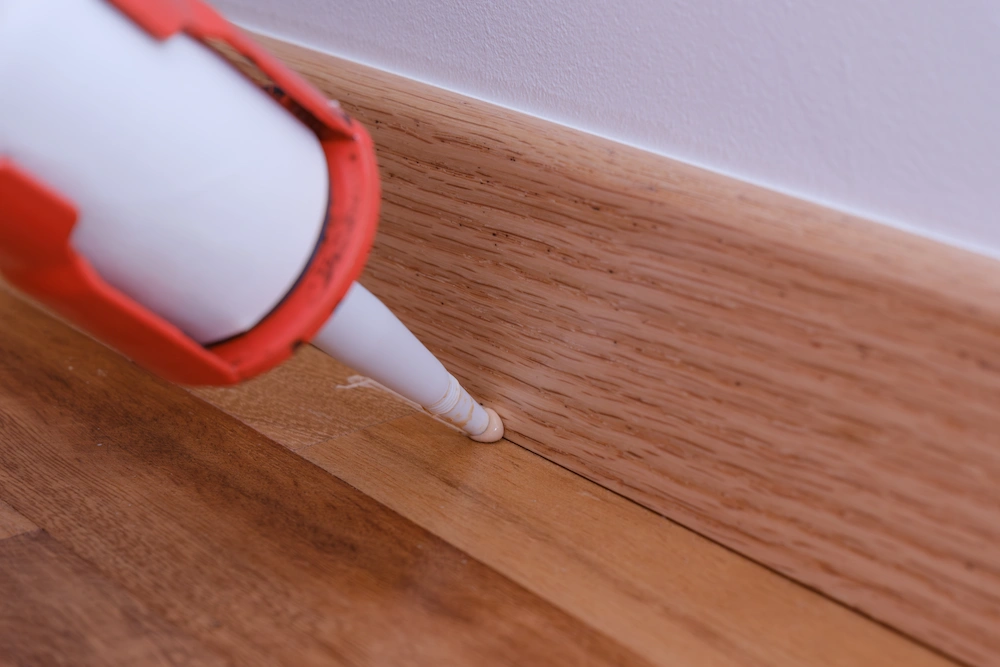
It might sound obvious, but the most important factor in preventing spiders is keeping them outside. This is done by sealing all gaps that could let them indoors. As houses settle and sit through weather events, they can develop new cracks and crevices in the exterior. These are exactly what pests use to sneak inside.
We recommend regularly walking around the outside of your house and looking for new openings. They often develop near plumbing fixtures, utility openings, cables, wires, and electrical equipment. Seal the gaps with a weatherproof silicone caulk that will withstand the outdoor elements. Fill larger holes with copper mesh or steel wool first.
Check Windows and Doors
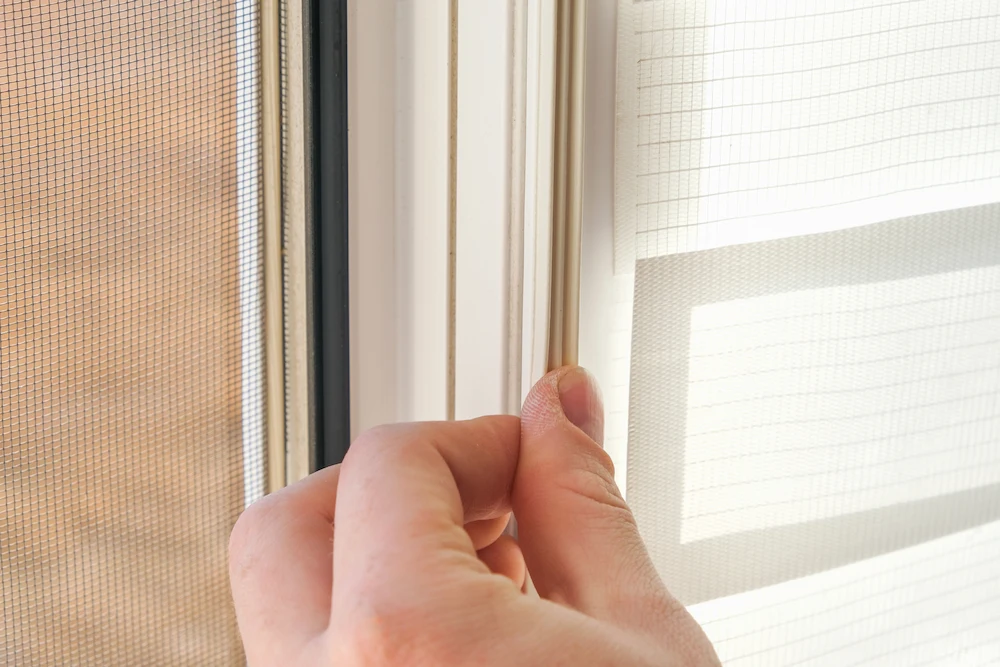
Don’t forget about the windows and doors! The weather might be too cold to open up the house every day, but it’s important to check these fixtures for new gaps year-round. If the weatherstripping is loose or the screen isn’t fitted to the frame anymore, you run the risk of inviting spiders into your cozy home.
Check all weatherstripping, seals, and door sweeps for new gaps. An easy way to do this is to make sure you can’t see daylight through the gaps in exterior doors and their frames. Replace broken components with new ones that fit tightly to the frame. Also, inspect every window and sliding door screen for new tears or loose mesh, and replace or repair as needed.
Tidy Up the Yard
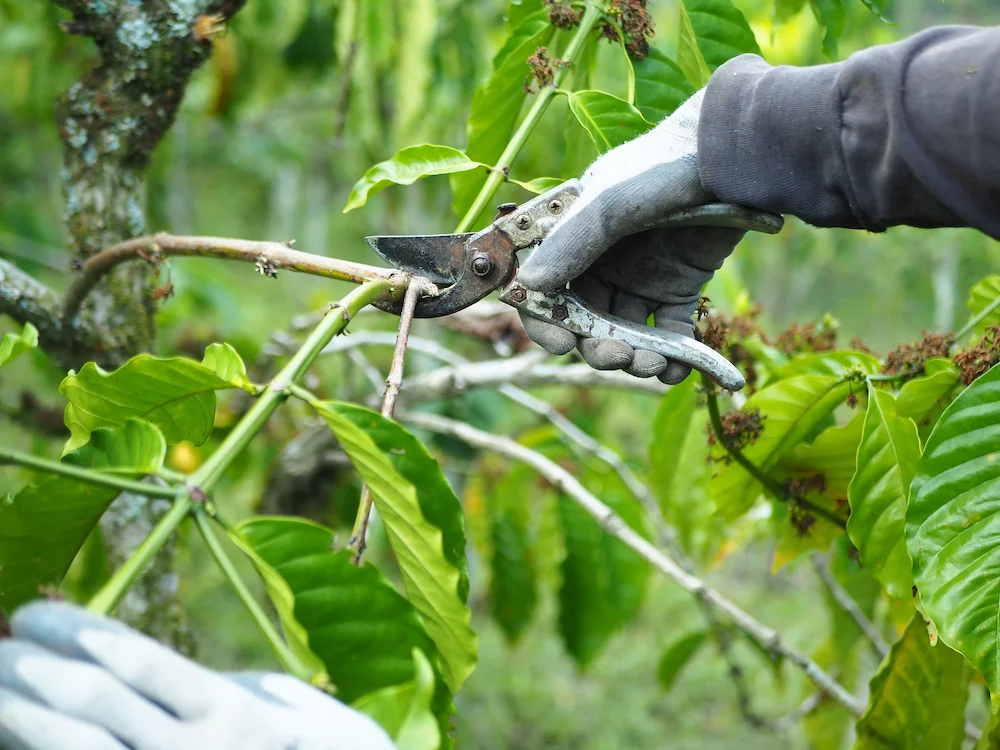
We mentioned how spiders love indoor clutter, and outdoor clutter serves the exact same purpose for them. A messy, overgrown yard with scattered items provides these pests with infinite hiding spots. While it sounds great to leave spiders outside, having a spider-infested yard increases the risk of them turning to your house next.
Thick shrubs and plants with a lot of natural debris are a spider’s sanctuary. Wear thick garden or work gloves and clear out the plant debris from underneath. Trim back all plants and tree branches about four feet from the house. If you have materials (bricks, firewood, etc.) in the yard, keep them in neat stacks at least 20 feet from the house.
Eliminate Extra Moisture
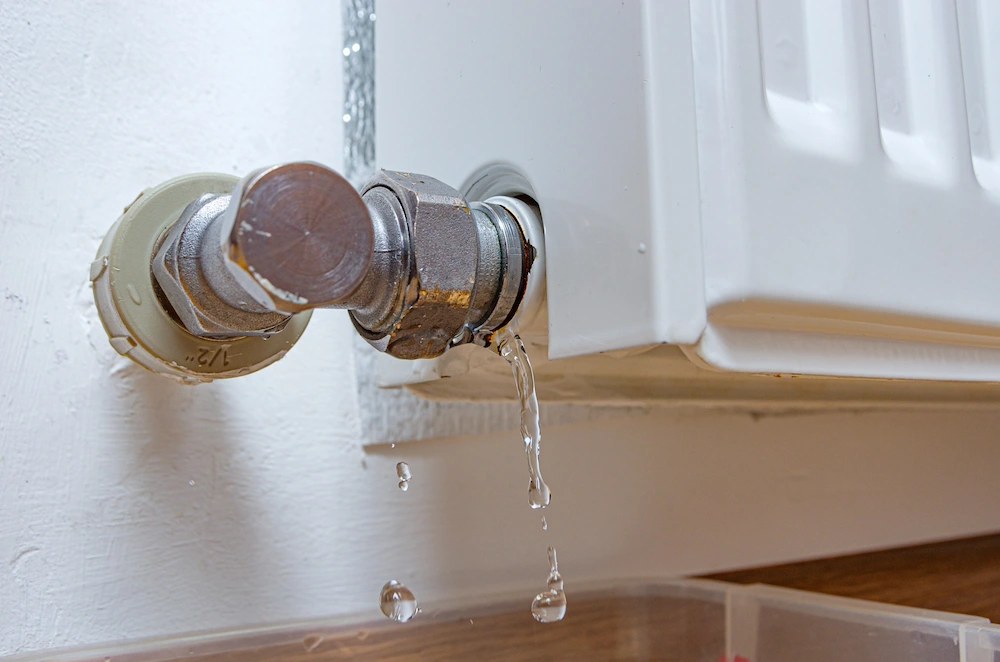
Spiders don’t need excessive amounts of moisture like other pests — silverfish and roaches love water — but they still need it to survive! The pests that do thrive in moisture are also great food sources for spiders. The one aspect of water that spiders actively enjoy is humidity, so they’ll stay in those rooms.
Check the interior and exterior of your house for leaks around plumbing fixtures. Fix any leaks or dripping faucets ASAP, and remove standing water by soaking it up (and finding the source if you haven’t already). Use a dehumidifier or open the window in humid rooms. Check your gutters and outdoor spigots for clogs and leaks, then make the necessary fixes.
Solve Pest Issues
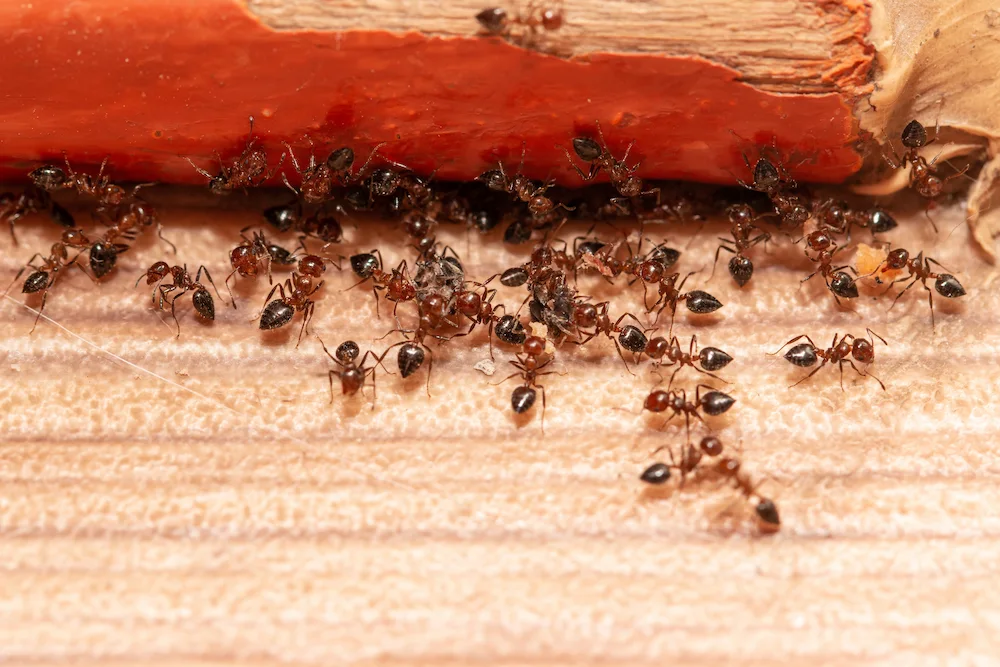
Finally, eliminating their food sources is a crucial part of preventing spiders. Like many pests, spiders go where their food lives. A pre-existing pest invasion provides spiders with enough food to last them the rest of their lives! Basically, you need to eliminate the bugs to eliminate the spiders hunting them.
If you notice a sudden influx of spiders around your house, it’s worth a closer look to find the food that’s bringing them there. You can prevent those insects by storing food in airtight containers, having good trash management, and keeping up with the laundry and dishes. The most efficient way to ensure your insect and spider issues are solved is to receive general pest control services.
Get Rid of Mid-Atlantic Spiders with Green!
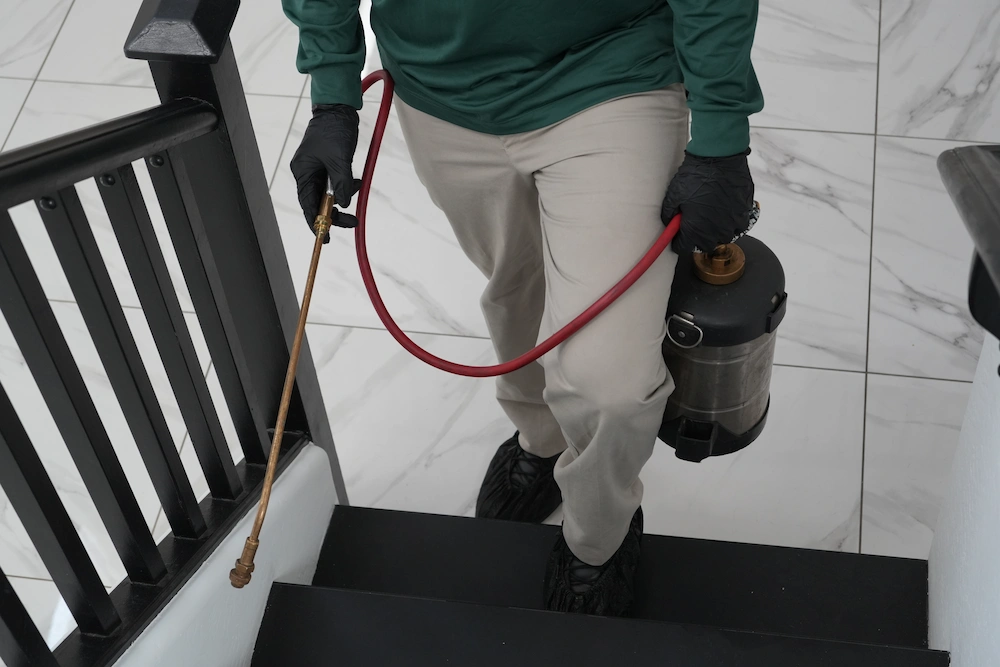
Spiders don’t want anything to do with us, and the feeling is certainly mutual. That’s why Green Pest Services provides year-round spider protection for Mid-Atlantic homes and businesses! We search high and low for pest activity to ensure we fully address every concern on the property.
Our team of local pest experts targets the source of each pest issue by finding the attractants or conducive conditions that led the spiders there. We then apply the correct treatments and complete the necessary exclusions to block future pests out. We’re also happy to discuss prevention tips and answer any questions you have about the process.
For a free quote on our effective spider services, contact us today!
Citations
How to get rid of spiders. (2025, October 9). The Home Depot. Retrieved October 22, 2026, from https://www.homedepot.com/c/ab/how-to-get-rid-of-spiders/9ba683603be9fa5395fab90ab04bca3
How to get rid of spiders. (n.d.). Raid. Retrieved October 22, 2026, from https://raid.com/en-us/education/bug-basics/how-to-help-get-rid-of-spiders
8 Easy Prevention Tips for Mid-Atlantic Spiders
8 Easy Prevention Tips for Mid-Atlantic Spiders 8 Easy Prevention Tips for Mid-Atlantic Spiders Summary: Spiders are silent invaders that hide in clutter [...]
10 Easy Ways to Keep Pests Out of Your Thanksgiving Dinner
10 Easy Ways to Keep Pests Out of Your Thanksgiving Dinner 10 Easy Ways to Keep Pests Out of Your Thanksgiving Dinner Summary: [...]
Do Rodents Hibernate? How They Spend the Cold Months
Do Rodents Hibernate? How They Spend the Cold Months Do Rodents Hibernate? How They Spend the Cold Months Summary: House mice and Norway [...]
5 Pest That Love High Entry Points
5 Pests That Love High Entry Points 5 Pests That Love High Entry Points Summary: Pest entry points must be addressed for effective [...]
Pests That Overwinter in Walls and the Signs They Leave Behind
Pests That Overwinter in Walls and the Signs They Leave Behind Pests That Overwinter in Walls and the Signs They Leave Behind Summary: [...]
The Differences Between Web-Building and Hunting Spiders
The Differences Between Web-Building and Hunting Spiders The Differences Between Web-Building and Hunting Spiders Summary: Web-building spiders wait for prey to hit their [...]