
Why DIY Pest Treatments Often Fail: They Don’t Reach the Root of the Problem
Why DIY Pest Treatments Often Fail: They Don’t Reach the Root of the Problem
Summary: DIY pest treatments often fail because they target visible pests instead of the source of the infestation. Learn why DIY pest treatments fail and why recurring pest problems require identifying nests, attractants, and entry points for lasting control.
When pests show up, it’s tempting to grab a spray, bait, or trap from the nearest store and hope the problem disappears. While these products may reduce the number of pests you see, they often fail to eliminate the source of the infestation.
The biggest reason DIY methods fall short is that they usually treat the symptoms instead of the cause. Without finding where pests are nesting, how they’re getting inside, or what is attracting them, the problem often returns within days or weeks.
If you’re dealing with recurring pest activity, our pest control services provide comprehensive inspections and treatments that target the entire infestation.
Most DIY Treatments Only Eliminate Visible Pests
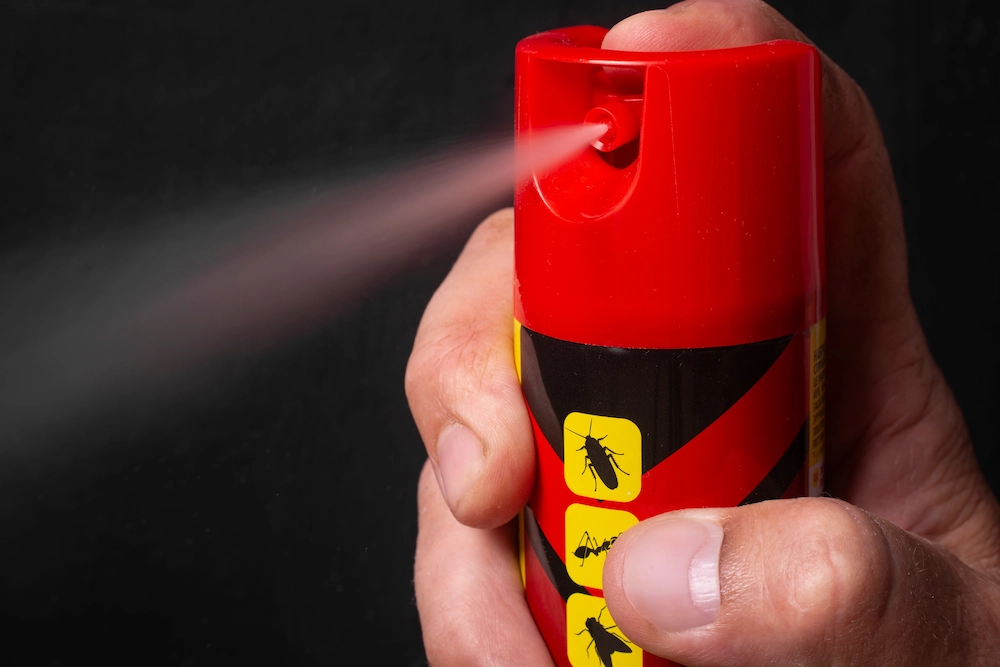
Seeing fewer bugs after applying a spray can make it seem like the problem has been solved. In reality, the pests you notice are often only a small percentage of the population.
Many insects and rodents spend most of their time hidden behind walls, beneath floors, inside crawl spaces, or outdoors near the home’s foundation. Treating only the pests that are visible leaves the breeding population untouched.
Hidden Nests Continue Producing New Pests
Ants, termites, cockroaches, and rodents all establish nests in protected locations where store-bought products often cannot reach. As long as the colony remains active, new pests will continue replacing the ones that were eliminated.
This is why homeowners frequently see pests return shortly after a DIY treatment appears successful.
Identifying the Pest Correctly is More Important Than the Product
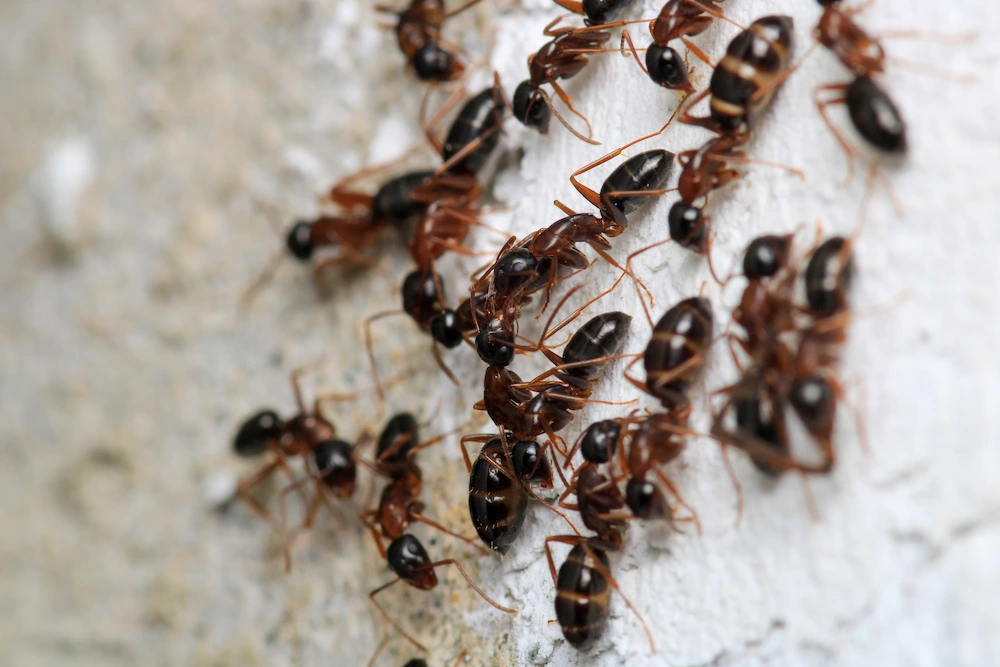
Not every pest responds to the same treatment. Different species have different nesting habits, food preferences, and behaviors, making proper identification an essential first step.
Using the wrong product or applying it incorrectly may have little effect on the infestation and can sometimes cause pests to relocate instead of disappearing.
Common Examples of Misidentified Infestations
A homeowner may mistake carpenter ants for termites, or confuse moisture ants with pavement ants. Although these pests can appear similar, each requires a different treatment strategy.
Rodent problems can also vary significantly depending on whether mice or rats are present, since their nesting locations, travel patterns, and behaviors differ.
DIY Products Rarely Address Why Pests Entered the Home
Successful pest control involves more than removing insects or rodents. Long-term prevention depends on eliminating the conditions that attracted them in the first place.
Food crumbs, standing water, clutter, and structural gaps all contribute to recurring infestations. Even the most effective spray cannot solve these underlying issues.
Common Attractants Homeowners Overlook
- Food residue inside cabinets and under appliances
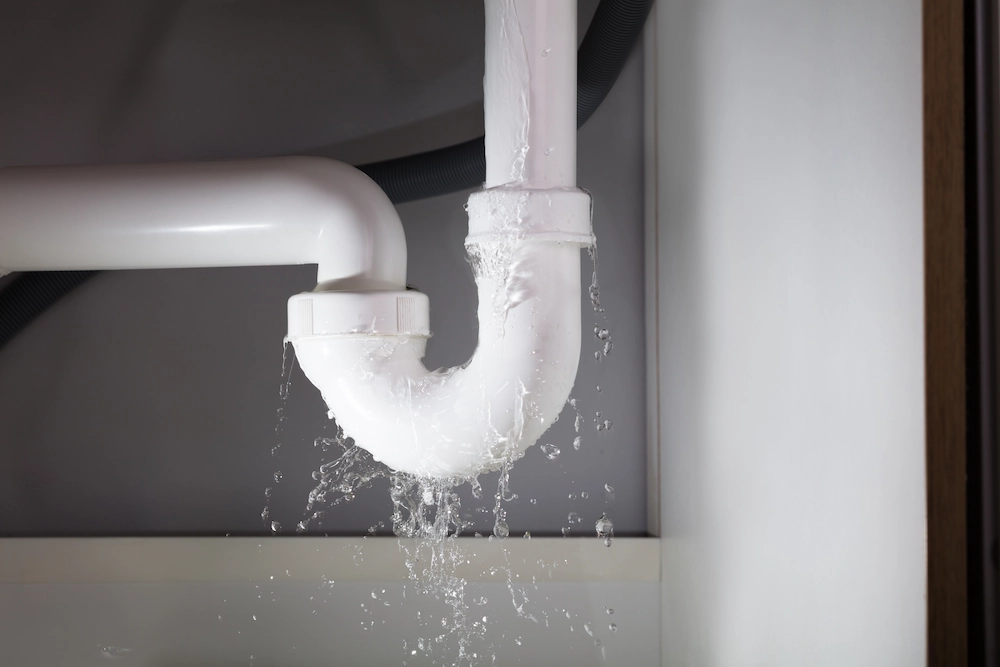
- Leaking pipes or areas with excess moisture
- Cracks around windows, doors, and utility lines
- Cluttered storage areas that provide shelter
- Overgrown vegetation touching the home’s exterior
Addressing these conditions is often just as important as treating the pests themselves.
Store-Bought Products Have Limited Reach
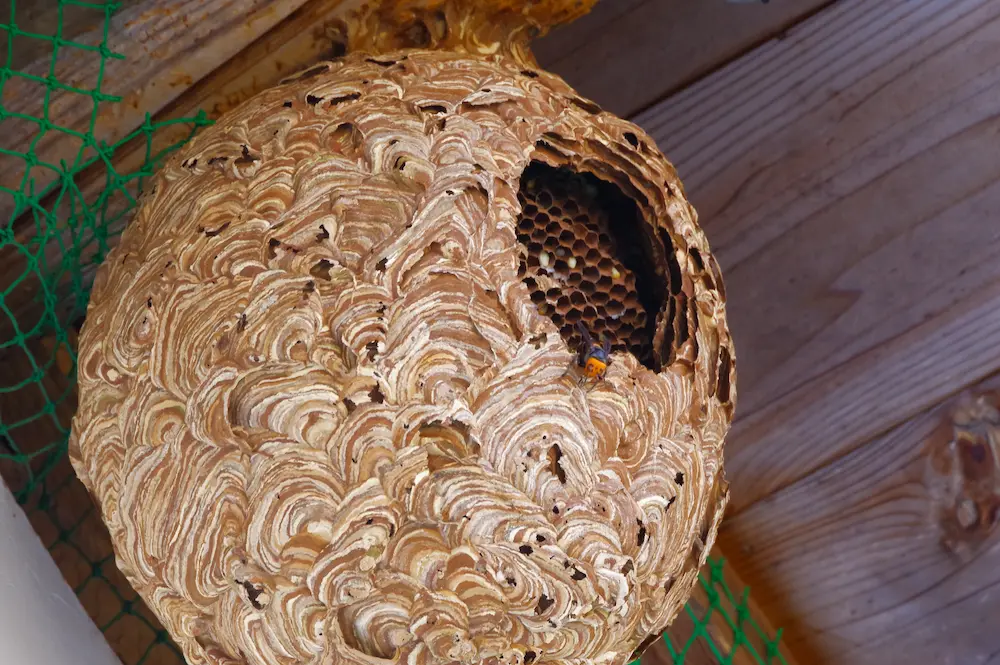
Many DIY products work only where they are applied. They may kill pests that come into direct contact with the treatment, but they often fail to reach nests hidden inside walls, attics, crawl spaces, or underground.
Some pests actively avoid treated areas, allowing the colony to survive while simply changing its travel routes.
Timing Also Affects Treatment Success
Pest activity changes throughout the day and across different seasons. Applying a product when pests are inactive may reduce its effectiveness.
Professional technicians understand pest behavior and know when and where treatments are most likely to reach the entire population.
Some Infestations Require Specialized Equipment and Experience
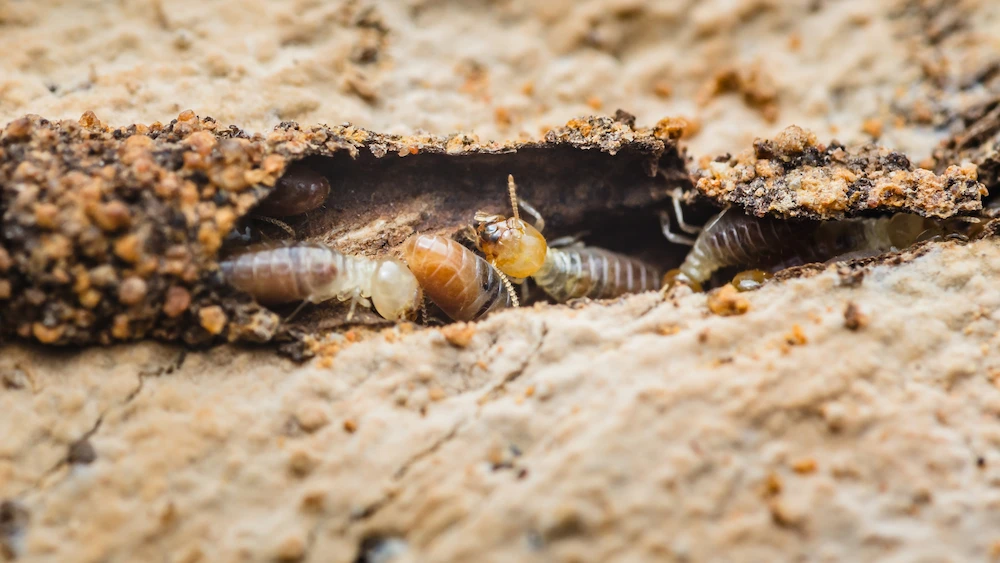
Certain pests require treatment methods that are difficult to replicate with consumer products. Termites may need soil treatments or baiting systems, while rodents often require exclusion work to seal entry points after removal.
Professional inspections also uncover hidden issues that homeowners may not notice, such as moisture damage, structural gaps, or developing infestations in inaccessible areas.
By identifying the full scope of the problem, professionals can create treatment plans that solve the infestation instead of temporarily reducing pest activity.
Professional Pest Control Focuses on Long-Term Solutions
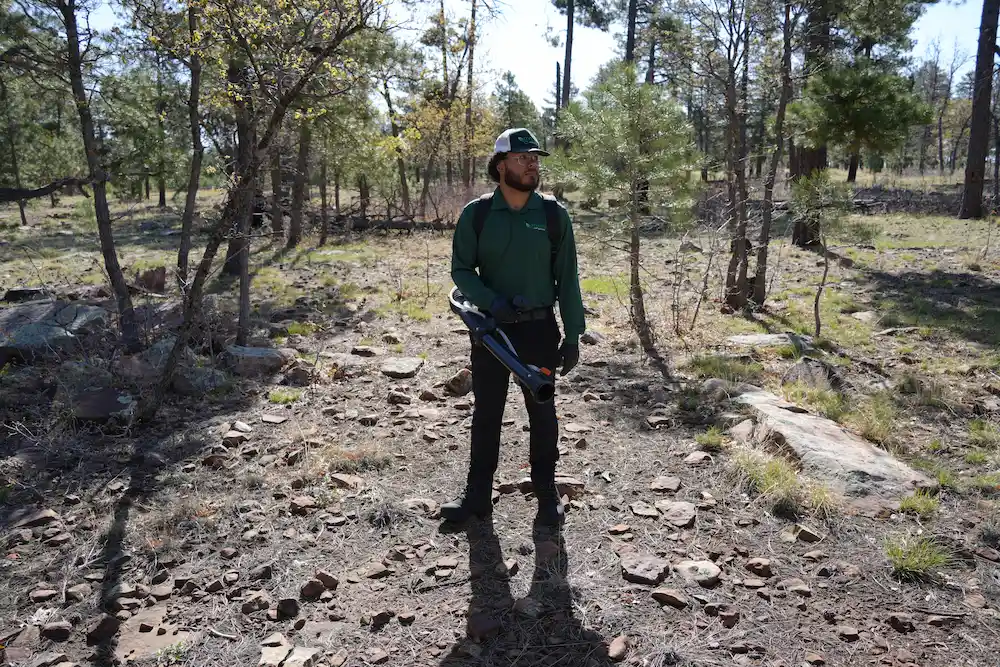
Professional pest management begins with identifying the pest, locating nesting areas, and determining why the infestation developed. Treatment is then combined with recommendations that help prevent pests from returning.
This comprehensive approach targets the entire infestation rather than only the pests that happen to be visible during the day.
Homeowners in Northern Virginia can learn more about pest control in Alexandria, VA and how customized treatment plans provide lasting protection against common household pests. For a free quote on our reliable services across the Mid-Atlantic, contact us today!
Citations
When DIY pest control won’t cut it. (n.d.). Pest World. Retrieved July 13, 2026, from https://www.pestworld.org/news-hub/pest-articles/when-diy-pest-control-wont-cut-it/
The Differences Between Web-Building and Hunting Spiders
The Differences Between Web-Building and Hunting Spiders The Differences Between Web-Building and Hunting Spiders Summary: Web-building spiders wait for prey to hit their [...]
Spotted Lanternflies Are the Worst Garden Pests
Spotted Lanternflies Are the Worst Garden Pests Spotted Lanternflies Are the Worst Garden Pests Summary: Spotted lanternflies drain sap from trees and vines, [...]
How Clogged Gutters Lead to Pest Problems
How Clogged Gutters Lead to Pest Problems How Clogged Gutters Lead to Pest Problems Summary: Clogged gutters trap standing water and decomposing debris [...]
Wasps Are Busy in Early Fall: Here’s Why
Wasps Are Busy in Early Fall: Here’s Why Wasps Are Busy in Early Fall: Here’s Why Summary: Wasp colonies peak in size during [...]
Pests That Work in Teams: Why Social Pests Are Harder to Ignore
Pests That Work in Teams: Why Social Pests Are Harder to Ignore Pests That Work in Teams: Why Social Pests Are Harder to Ignore [...]
How to Prevent Flies Inside and Out: Make Your Home Less Attractive
How to Prevent Flies Inside and Out: Make Your Home Less Attractive How to Prevent Flies Inside and Out: Make Your Home Less Attractive [...]