
Easy Spider Prevention Tips: Year-Round Protection for Your Home
Easy Spider Prevention Tips: Year-Round Protection for Your Home
Summary: Learn how to prevent spiders in your home with simple year-round prevention strategies, maintenance tips, and proven methods for reducing spider activity indoors and outdoors.
Why Spiders End Up Inside Homes
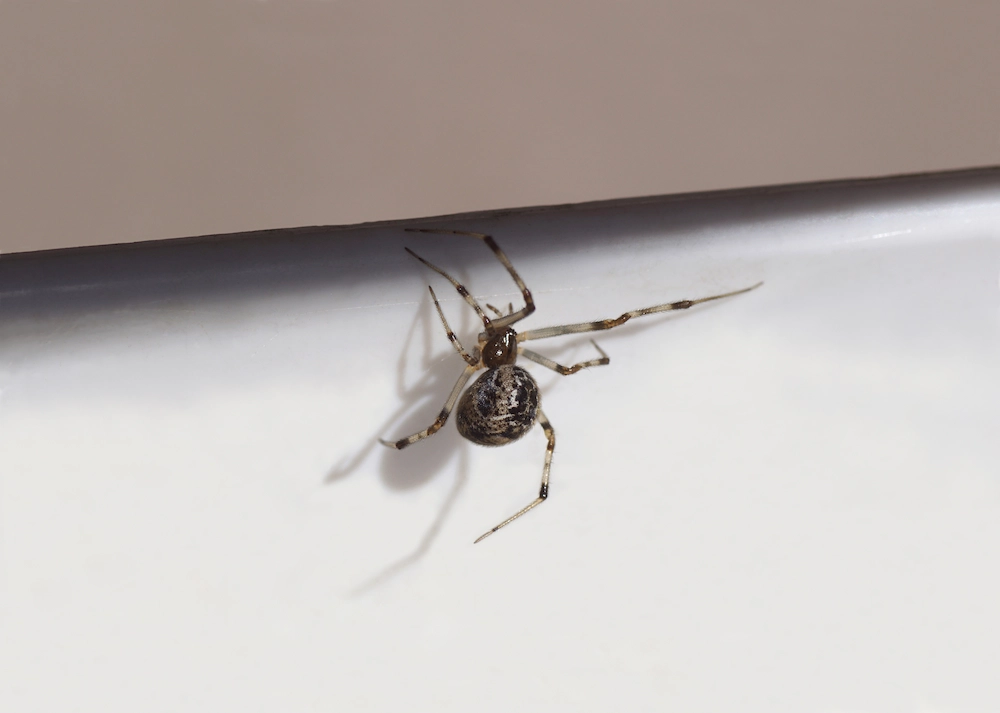
Many homeowners are surprised to find spiders indoors throughout the year, even when their homes are clean and well-maintained. The reality is that spiders enter homes for shelter, food, and protection from weather conditions. Understanding how to prevent spiders in your home starts with knowing why they are coming inside in the first place.
Most spiders are not interested in people. Instead, they are looking for insects to eat and safe places to build webs. If your home provides easy access, hiding spots, and a steady food source, spiders are likely to stick around.
The good news is that a few simple prevention strategies can significantly reduce spider activity and help keep your home protected year-round.
How Spiders Get Into Your House
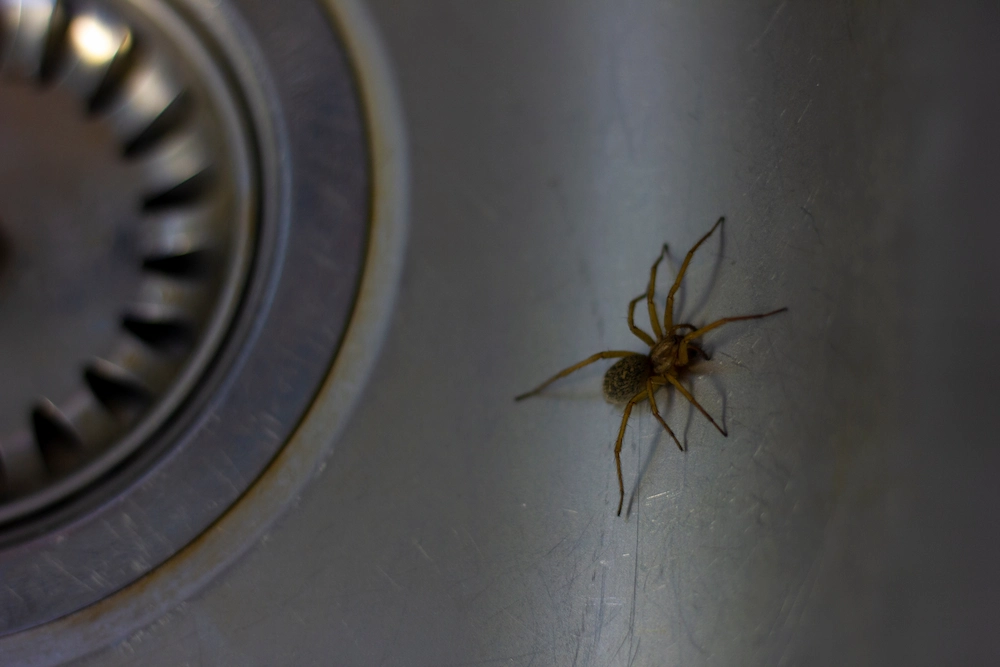
One of the most important steps in prevention is learning how to keep spiders out of your house. Spiders can enter through surprisingly small openings around the exterior of a home.
Gaps around doors and windows, cracks in foundations, utility penetrations, attic vents, and damaged screens are common entry points. Some spiders may also hitchhike indoors on boxes, firewood, plants, or outdoor furniture.
Once inside, they often settle in quiet areas such as basements, garages, attics, closets, and storage rooms where they are less likely to be disturbed.
Reduce the Insects That Attract Spiders
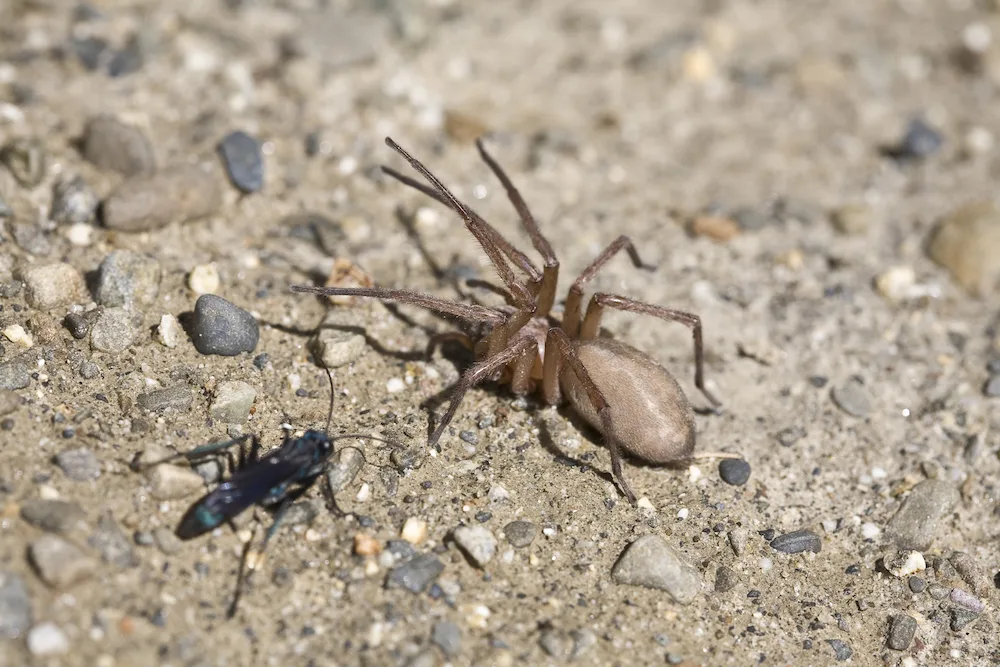
Spiders stay where food is available. Since most spiders feed on insects, reducing other pest activity can dramatically decrease spider populations indoors.
Flies, ants, moths, mosquitoes, and other small insects serve as food sources for spiders. Homes with recurring insect issues often experience higher levels of spider activity as well.
Regular pest management, proper sanitation, and reducing moisture problems can make your home less attractive to both insects and the spiders that feed on them.
Seal Entry Points Around Your Home
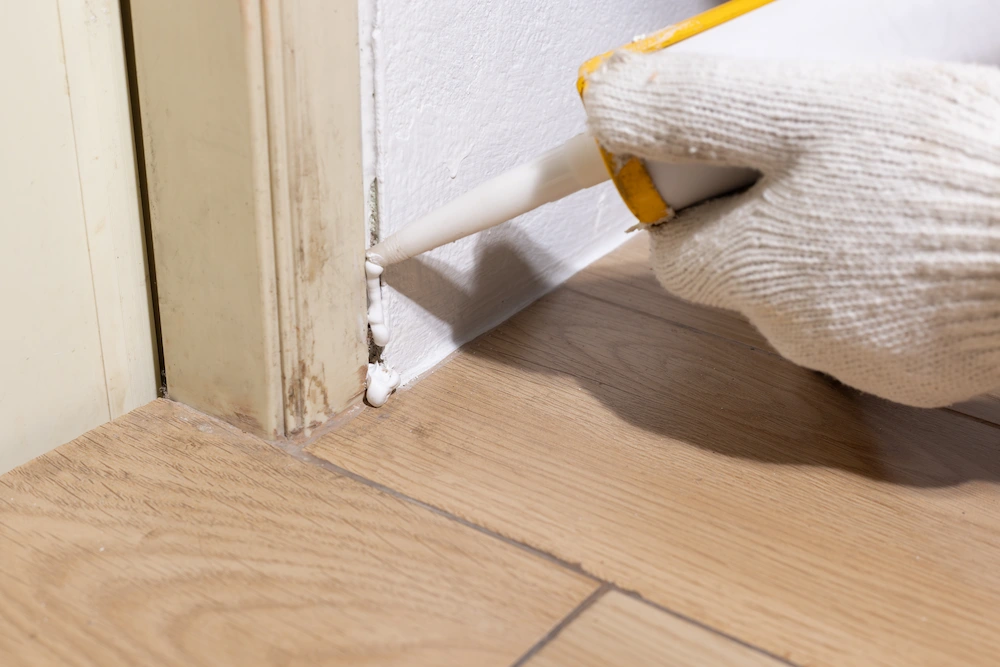
One of the most effective easy spider prevention tips is to eliminate access points before spiders can enter.
Inspect the exterior of your home regularly and seal any cracks or openings around windows, doors, siding, utility lines, and foundations. Replace damaged weatherstripping and repair torn screens to prevent spiders and other pests from slipping inside.
These small maintenance tasks can provide long-term protection and improve overall pest prevention throughout the home.
Eliminate Indoor Hiding Spots

Spiders prefer areas where they can remain undisturbed. Reducing clutter makes it much harder for them to establish webs and hiding places.
Storage boxes, piles of clothing, unused furniture, and stacks of paper provide ideal harborage areas. Keeping storage organized and off the floor helps minimize locations where spiders can settle.
Pay particular attention to garages, basements, attics, and closets since these areas often receive less frequent cleaning and inspection.
Keep Outdoor Areas Maintained

Many spider problems begin outside before moving indoors. Proper exterior maintenance is an important part of how to stop spiders from coming inside.
- Trim shrubs and tree branches away from the house.
- Remove leaf piles, woodpiles, and excess yard debris.
- Keep mulch and landscaping from directly touching exterior walls.
- Reduce outdoor lighting that attracts insects at night.
- Clean webs from around doors, windows, and eaves regularly.
These measures reduce both spider habitats and the insects that attract them to your property.
Focus on Year-Round Spider Control
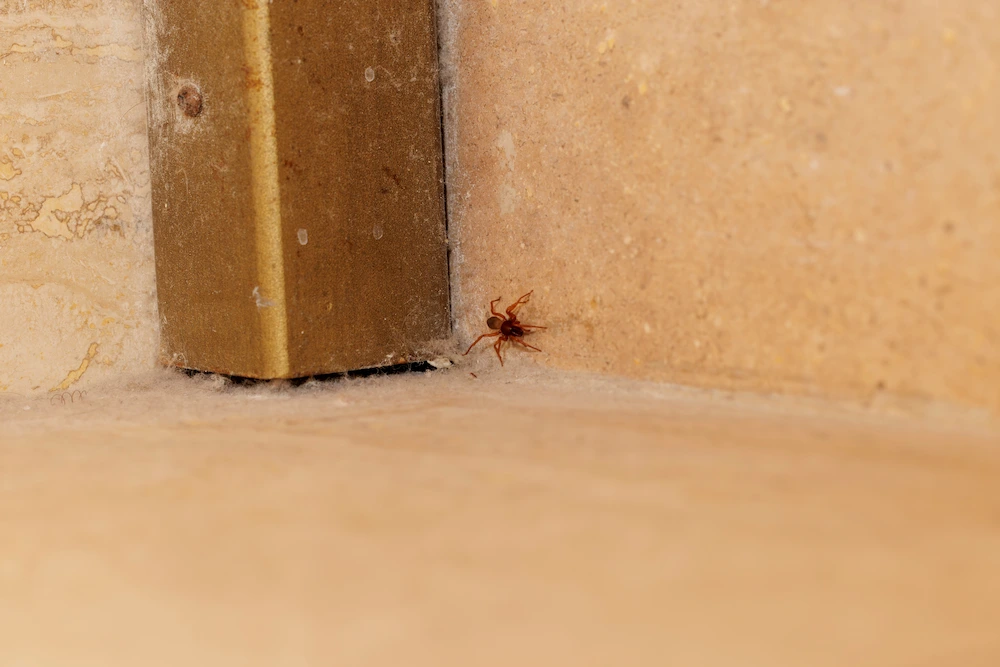
Successful year-round spider control for homes requires consistency rather than seasonal action. While spider activity often increases during certain times of the year, prevention should remain a priority throughout all seasons.
During colder months, spiders may seek shelter indoors as temperatures drop. During warmer months, increased insect activity can attract more spiders around the home.
Regular inspections, routine cleaning, and proactive maintenance help prevent seasonal spikes from becoming larger infestations.
Home Spider Prevention Tips for Long-Term Results
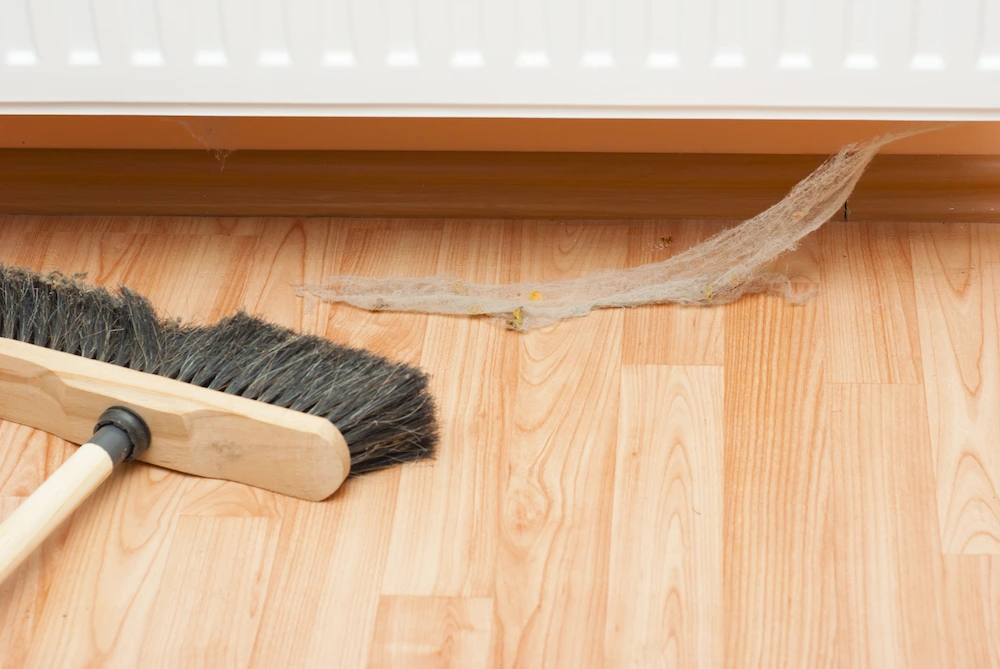
There are several practical home spider prevention tips homeowners can incorporate into their regular routine.
- Vacuum corners, baseboards, and ceilings regularly.
- Remove webs as soon as they appear.
- Store firewood away from the home.
- Reduce indoor humidity levels where possible.
- Inspect boxes and outdoor items before bringing them indoors.
These habits help eliminate existing spiders while reducing the likelihood of future activity.
When Professional Spider Control May be Needed
Occasional spiders are normal in most homes, but recurring sightings, large numbers of webs, or concerns about potentially dangerous species may require professional attention.
A pest control professional can identify contributing factors, locate hidden harborage areas, and develop a targeted treatment plan to help reduce spider activity throughout the property.
Taking a proactive approach to spider prevention not only helps keep spiders out but also improves overall pest management within the home. Contact us for a free quote on our targeted spider control services today!
Citations
Potter, M.F. (2026, March). Eliminating spiders around homes and buildings. University of Kentucky: Department of Entomology. Available at https://entomology.mgcafe.uky.edu/ef623 (Accessed on June 11, 2026).
Pests That Overwinter in Walls and the Signs They Leave Behind
Pests That Overwinter in Walls and the Signs They Leave Behind Pests That Overwinter in Walls and the Signs They Leave Behind Summary: [...]
The Differences Between Web-Building and Hunting Spiders
The Differences Between Web-Building and Hunting Spiders The Differences Between Web-Building and Hunting Spiders Summary: Web-building spiders wait for prey to hit their [...]
Spotted Lanternflies Are the Worst Garden Pests
Spotted Lanternflies Are the Worst Garden Pests Spotted Lanternflies Are the Worst Garden Pests Summary: Spotted lanternflies drain sap from trees and vines, [...]
How Clogged Gutters Lead to Pest Problems
How Clogged Gutters Lead to Pest Problems How Clogged Gutters Lead to Pest Problems Summary: Clogged gutters trap standing water and decomposing debris [...]
Wasps Are Busy in Early Fall: Here’s Why
Wasps Are Busy in Early Fall: Here’s Why Wasps Are Busy in Early Fall: Here’s Why Summary: Wasp colonies peak in size during [...]
Pests That Work in Teams: Why Social Pests Are Harder to Ignore
Pests That Work in Teams: Why Social Pests Are Harder to Ignore Pests That Work in Teams: Why Social Pests Are Harder to Ignore [...]