
How Rain Affects Pest Behavior and Why They Move Indoors
How Rain Affects Pest Behavior and Why They Move Indoors
Summary: Learn how rain affects pest behavior, why pests seek shelter indoors, and which insects become more active during wet conditions and heavy storms.
Rain changes the environment in ways that force pests to adapt quickly. While many insects rely on moisture to survive, too much water disrupts their nests, food sources, and shelter. That is why understanding how rain affects pest behavior is key to preventing sudden infestations in and around your home.
When heavy rain hits, pests are not disappearing. They are relocating. Most species respond by seeking dry, stable environments, which often leads them straight into homes, garages, and commercial buildings.
Why Pests Start Seeking Shelter During Rain
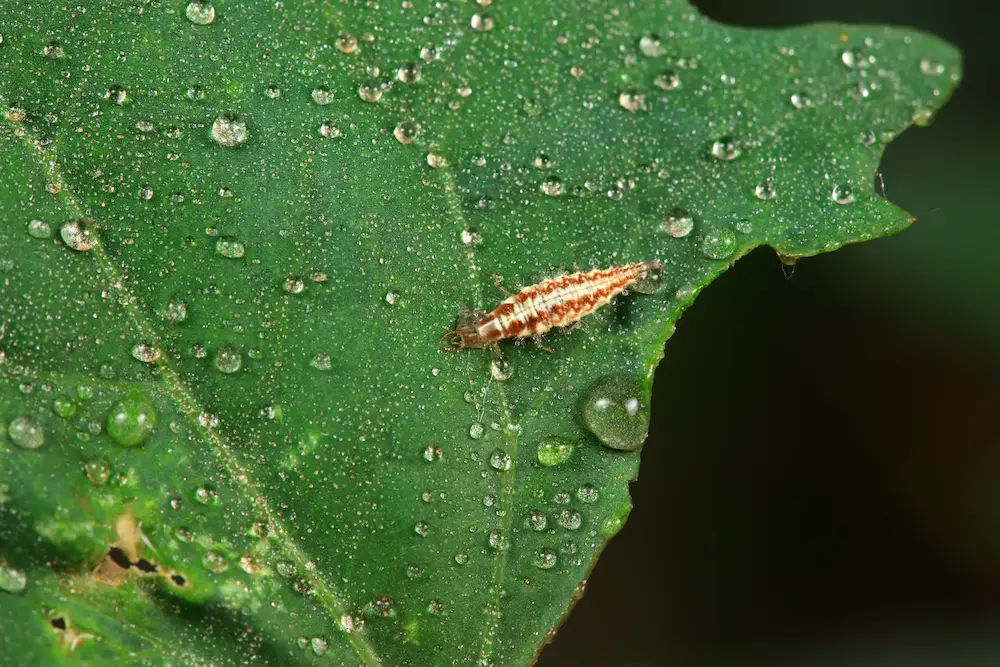
One of the most immediate responses to storms is pests seeking shelter from rain. Underground nests can flood within minutes, forcing insects and rodents to evacuate and find higher ground.
Ants, for example, will move entire colonies to protect their queen and eggs. Cockroaches leave sewer systems when water levels rise. Even spiders and centipedes shift indoors as their outdoor hiding spots become saturated.
This sudden migration is why pest problems often spike right after a storm rather than during it. Your home becomes the nearest dry and stable environment available.
Rainy Weather Pest Activity Increases Indoors
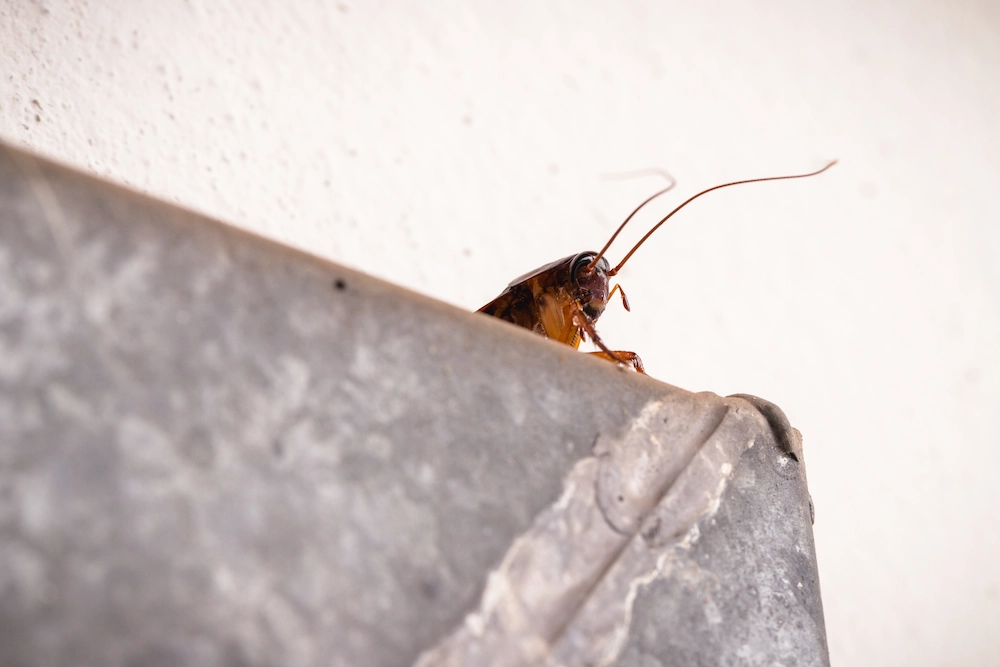
While rain may seem like it would reduce bugs, rainy weather pest activity often increases inside structures. Moisture buildup, humidity, and cooler temperatures create ideal conditions for many pests to thrive indoors.
Homes with small entry points become easy access zones. Gaps around doors, windows, and foundations allow pests to slip inside unnoticed. Once inside, they tend to stay as long as moisture and food sources are available.
This is especially common in kitchens, bathrooms, basements, and crawl spaces where humidity levels are naturally higher.
How Insects Behave During Wet Conditions
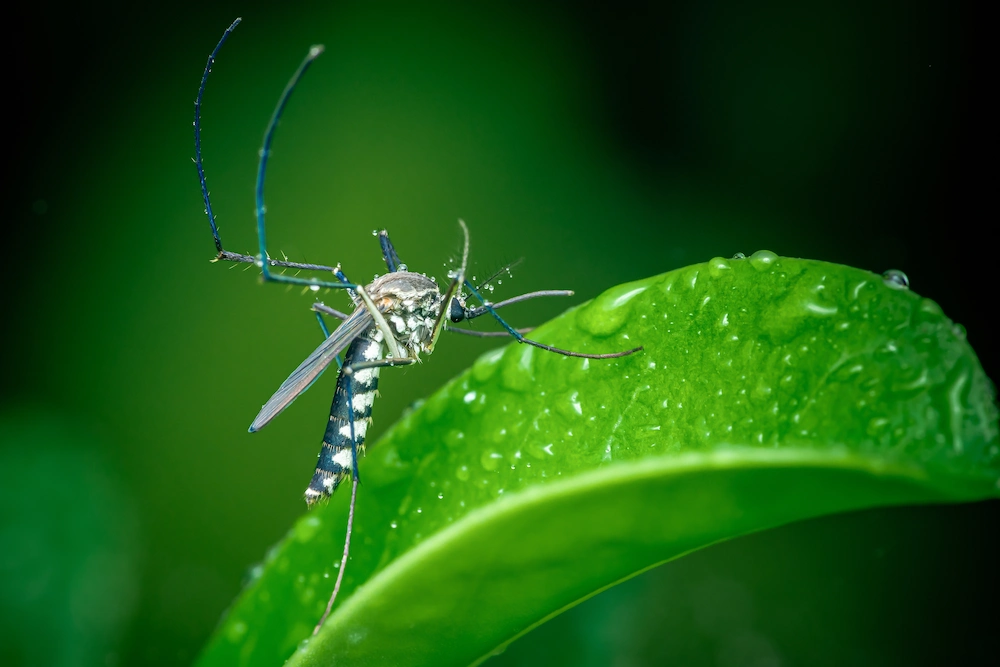
Understanding insects during wet conditions helps explain why certain pests become more noticeable after rainfall. Some insects slow down, while others become more active depending on their survival strategy.
Moisture-loving pests like mosquitoes actually benefit from standing water, using it as breeding grounds. On the other hand, insects like ants and termites are forced to relocate when soil becomes oversaturated.
This contrast explains why you might see fewer flying insects during heavy rain but more crawling pests inside your home afterward.
Pest Movement in Heavy Rain and Flooding
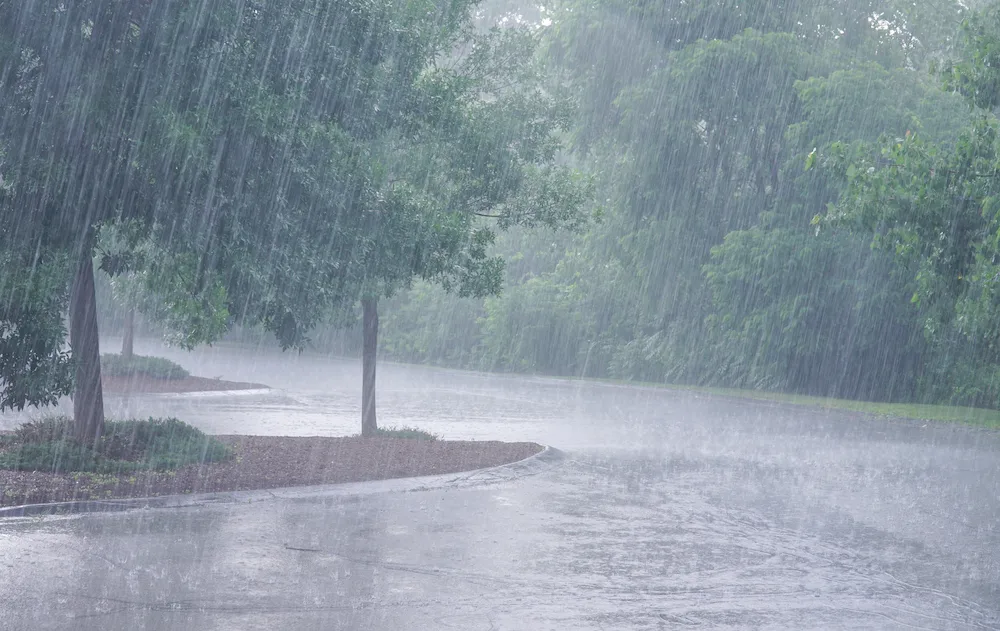
During intense storms, pest movement in heavy rain becomes more aggressive and widespread. Flooding displaces entire colonies, causing pests to scatter and search for new nesting areas quickly.
Rodents are a major concern during these conditions. As burrows flood, rats and mice move into walls, attics, and storage areas. This increases the risk of contamination and structural damage.
Insects follow similar patterns, moving upward and inward. This is why multi-level homes may suddenly experience pest activity on higher floors after heavy rainfall.
Common Pests You Will See After Rain
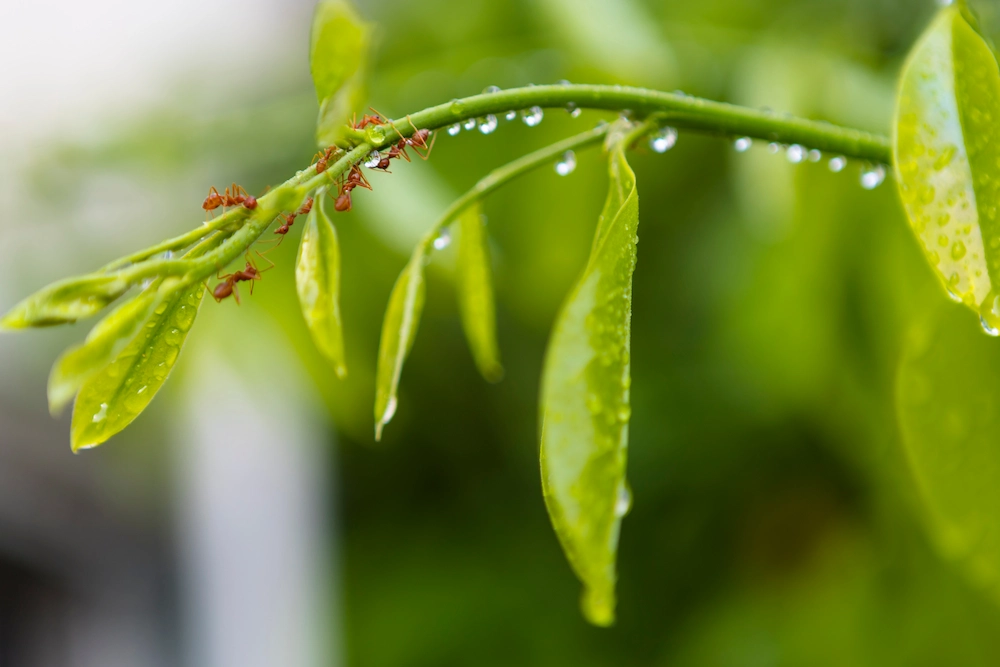
Certain pests are more likely to appear after storms due to their sensitivity to moisture and flooding.
- Ants relocating colonies to dry areas
- Cockroaches emerging from drains and sewers
- Mosquitoes breeding in standing water
- Spiders moving indoors to escape wet environments
- Rodents seeking higher ground and shelter
These pests are not new to your area. Rain simply forces them into spaces where they are more visible.
How to Prevent Pest Problems During Rainy Seasons
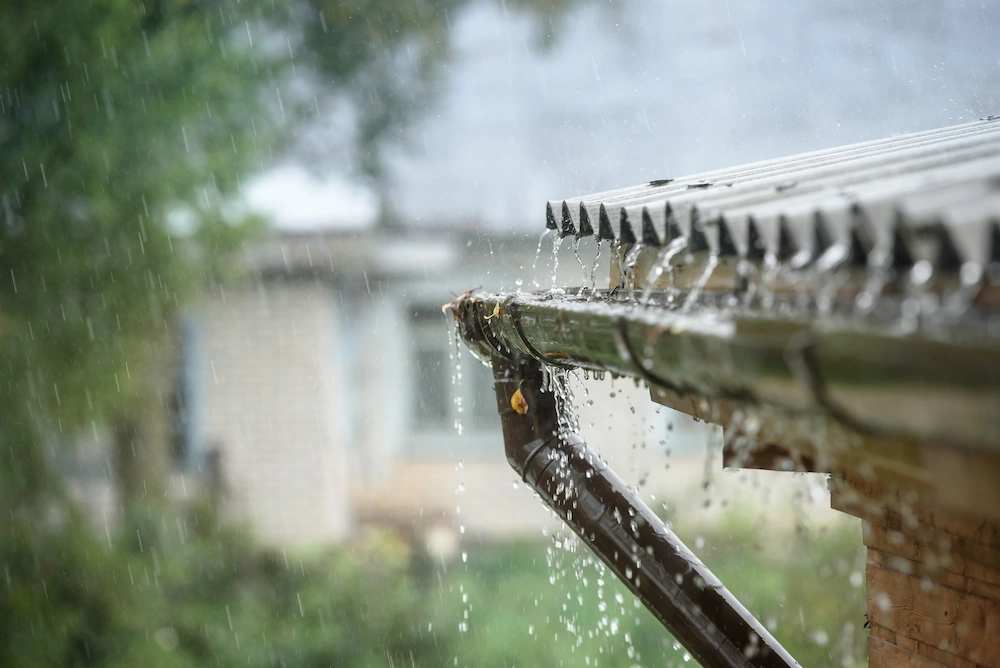
Preventing infestations during wet weather starts with preparation. The goal is to eliminate entry points and reduce conditions that attract pests indoors.
- Seal cracks and gaps around doors, windows, and foundations
- Fix leaks and reduce indoor moisture levels
- Keep gutters and drains clear to prevent water buildup
- Store food in sealed containers and maintain cleanliness
- Inspect basements, attics, and crawl spaces regularly
Taking these steps before and after storms can significantly reduce the chances of pests moving inside.
When to Take Pest Activity Seriously
If you notice repeated pest activity after rain, it is often a sign of a nearby nest or a structural vulnerability in your home. Temporary spikes may pass, but ongoing issues usually indicate a larger problem.
Professional pest control can identify entry points, locate hidden nests, and apply treatments that prevent pests from returning. This is especially important in areas prone to heavy rainfall or seasonal storms. For a free quote on our year-round services, contact us today!
Citations
Does rain attract pests to homes?. (2025, May 1). SWAT Services. Retrieved April 13, 2026, from https://www.swatservices.com/blog/2025/may/does-rain-attract-pests-to-homes-/
How Clogged Gutters Lead to Pest Problems
How Clogged Gutters Lead to Pest Problems How Clogged Gutters Lead to Pest Problems Summary: Clogged gutters trap standing water and decomposing debris [...]
Wasps Are Busy in Early Fall: Here’s Why
Wasps Are Busy in Early Fall: Here’s Why Wasps Are Busy in Early Fall: Here’s Why Summary: Wasp colonies peak in size during [...]
Pests That Work in Teams: Why Social Pests Are Harder to Ignore
Pests That Work in Teams: Why Social Pests Are Harder to Ignore Pests That Work in Teams: Why Social Pests Are Harder to Ignore [...]
How to Prevent Flies Inside and Out: Make Your Home Less Attractive
How to Prevent Flies Inside and Out: Make Your Home Less Attractive How to Prevent Flies Inside and Out: Make Your Home Less Attractive [...]
5 Pests That Love Crawl Spaces and Why They Move In
5 Pests That Love Crawl Spaces and Why They Move In 5 Pests That Love Crawl Spaces and Why They Move In Summary: [...]
What Attracts Wasps to Your Yard? Common Reasons They Keep Coming Back
What Attracts Wasps to Your Yard? Common Reasons They Keep Coming Back What Attracts Wasps to Your Yard? Common Reasons They Keep Coming Back [...]