
The Worst Veggie Garden Pests in the Mid-Atlantic and How to Handle Them
The Worst Veggie Garden Pests in the Mid-Atlantic and How to Handle Them
Summary: Learn about the most common Mid-Atlantic vegetable garden pests, including aphids and slugs, and discover practical tips to protect your garden from damage.
Growing a healthy vegetable garden in the Mid-Atlantic comes with unique challenges, especially when it comes to pests. Warm, humid summers and mild transitional seasons create ideal conditions for insects and other garden invaders to thrive. Understanding Mid-Atlantic vegetable garden pests is the first step in protecting your crops and maintaining a productive garden.
From sap-sucking insects to leaf-destroying crawlers, these pests can quickly damage plants if left unchecked. The key is knowing what to look for and acting early before infestations spread.
Why the Mid-Atlantic Climate Attracts Garden Pests
The Mid-Atlantic region experiences a mix of humidity, rainfall, and moderate temperatures that support a wide range of pest activity. These conditions allow pests to reproduce quickly and remain active for longer periods throughout the growing season.
Because of this, common garden pests Mid-Atlantic gardeners deal with are often more persistent than in drier climates. Moist soil, dense plant growth, and frequent watering all contribute to an environment where pests can hide, feed, and multiply without much resistance.
Gardens with poor airflow or overcrowded plants are especially vulnerable, as they create shaded, damp areas that pests prefer.
Aphids and Slugs in Garden Beds
Among the most frustrating issues are aphids and slugs in garden spaces. These pests attack in different ways but can both cause serious damage to vegetables.
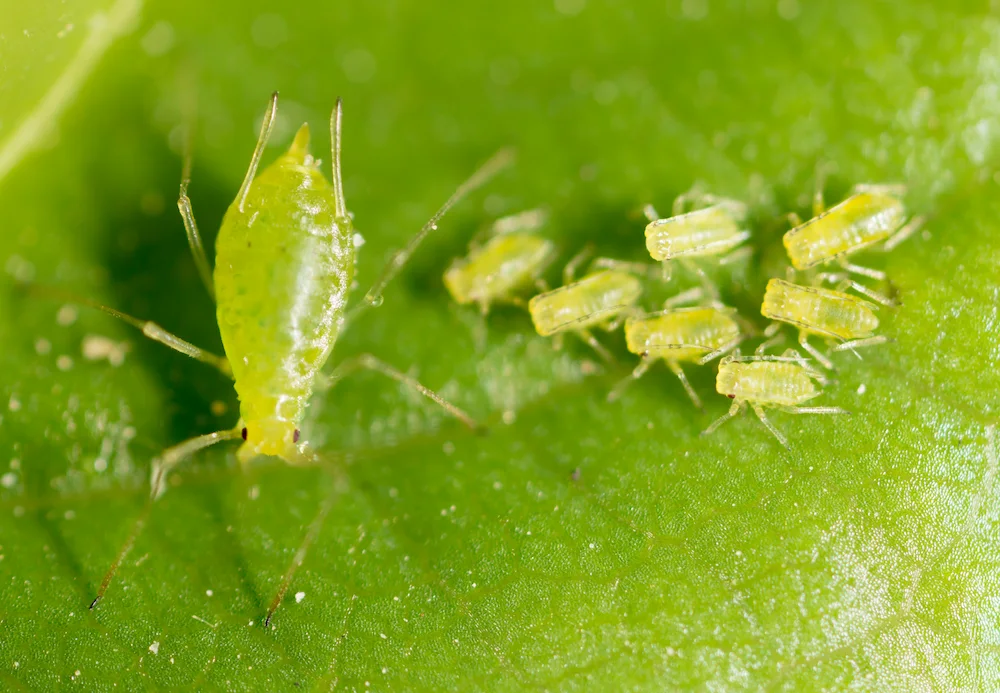
Aphids are tiny insects that cluster on stems and the underside of leaves, feeding on plant sap. This weakens plants, causes curling leaves, and can lead to the spread of plant diseases. They also leave behind a sticky residue that attracts ants and promotes mold growth.
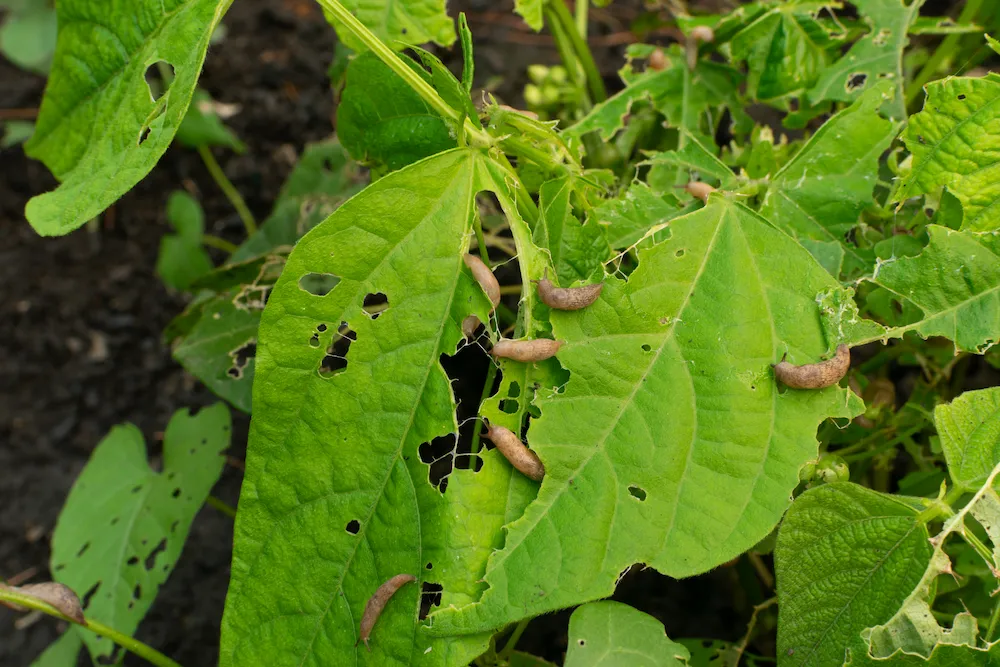
Slugs, on the other hand, are most active at night and during damp conditions. They chew irregular holes in leaves, often targeting young seedlings and leafy greens. Their presence is usually identified by slime trails left behind on soil and foliage.
Other Common Pests to Watch For
While aphids and slugs are major concerns, several other pests frequently damage Mid-Atlantic vegetable gardens.
- Tomato hornworms that rapidly defoliate plants
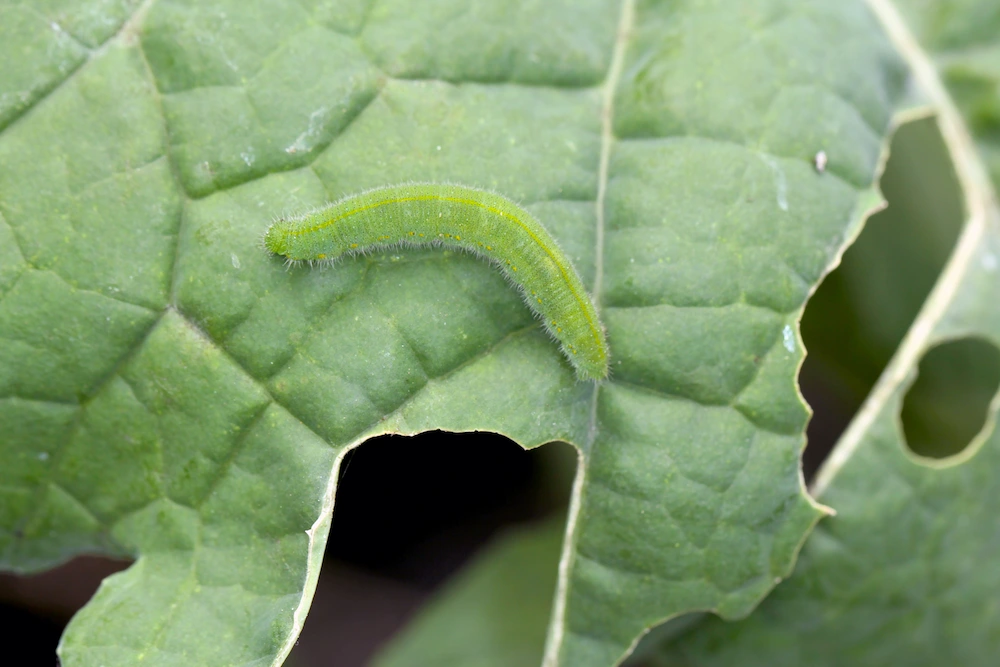
- Cabbage worms that attack leafy vegetables
- Squash bugs that damage stems and leaves
- Flea beetles that create tiny holes in foliage
- Cutworms that destroy seedlings at the base
These pests can appear suddenly and spread quickly, especially during peak growing months.
Early Signs of Pest Damage
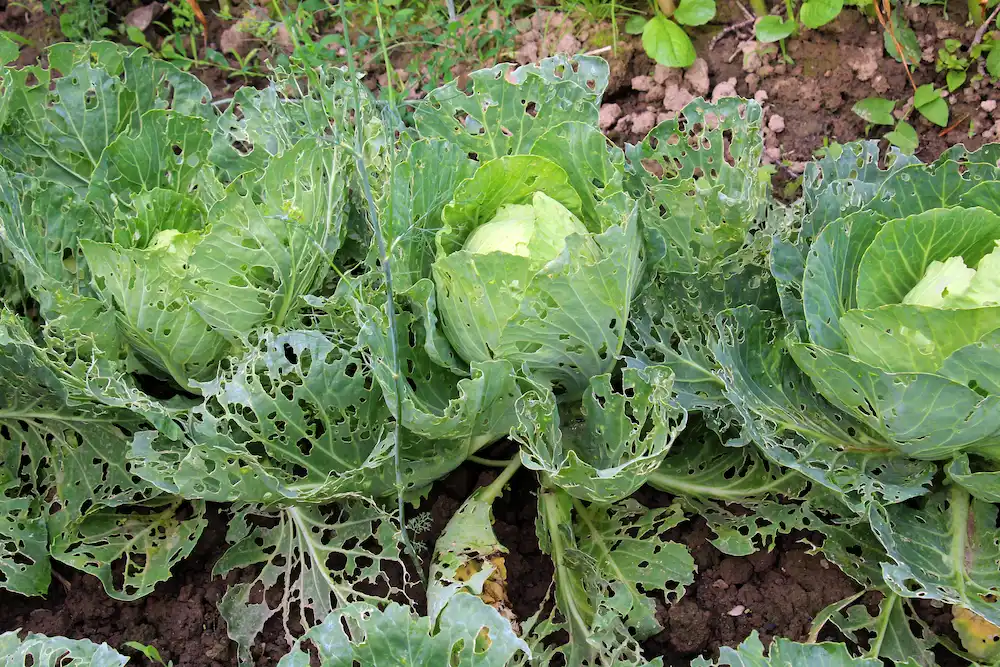
Catching infestations early can make a significant difference in how much damage occurs. Gardeners should regularly inspect plants for subtle changes that may indicate pest activity.
Look for holes in leaves, discoloration, wilting, or slowed growth. Sticky residue, webbing, or visible insects on stems and leaves are also clear warning signs.
The earlier you identify a problem, the easier it is to manage without losing large portions of your garden.
How to Protect Vegetable Garden From Pests
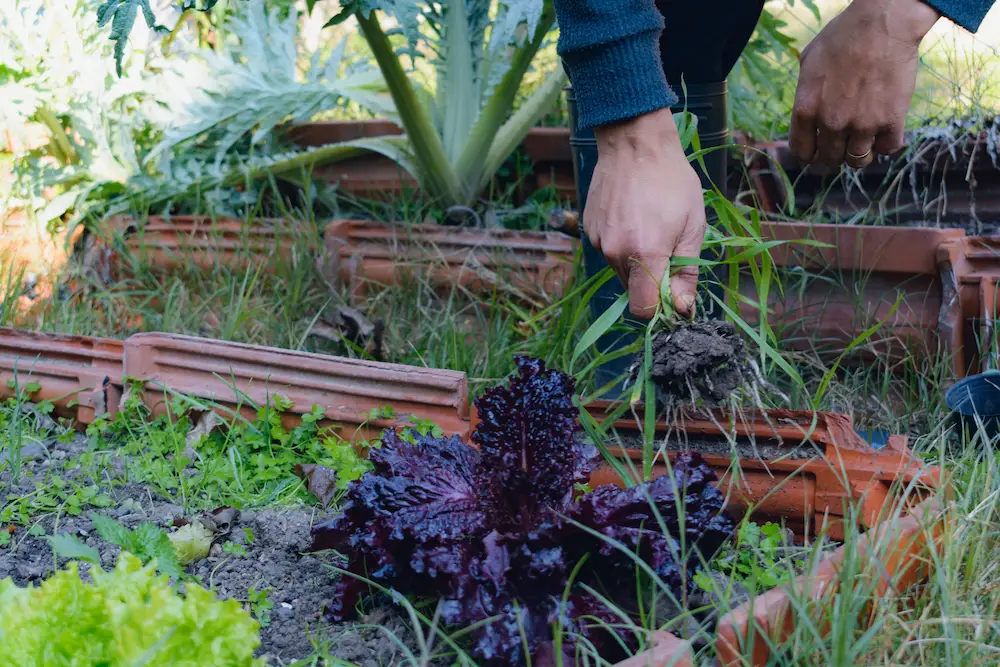
Knowing how to protect vegetable garden from pests starts with prevention and consistent monitoring. Healthy plants are more resistant to damage, so maintaining proper care is essential.
Spacing plants properly improves airflow and reduces moisture buildup. Regularly removing weeds and debris eliminates hiding spots for pests. Watering in the morning instead of the evening can also help reduce excess moisture that attracts slugs and other insects.
Using physical barriers like row covers and inspecting new plants before adding them to your garden can further reduce the risk of introducing pests.
Practical Garden Pest Control Tips
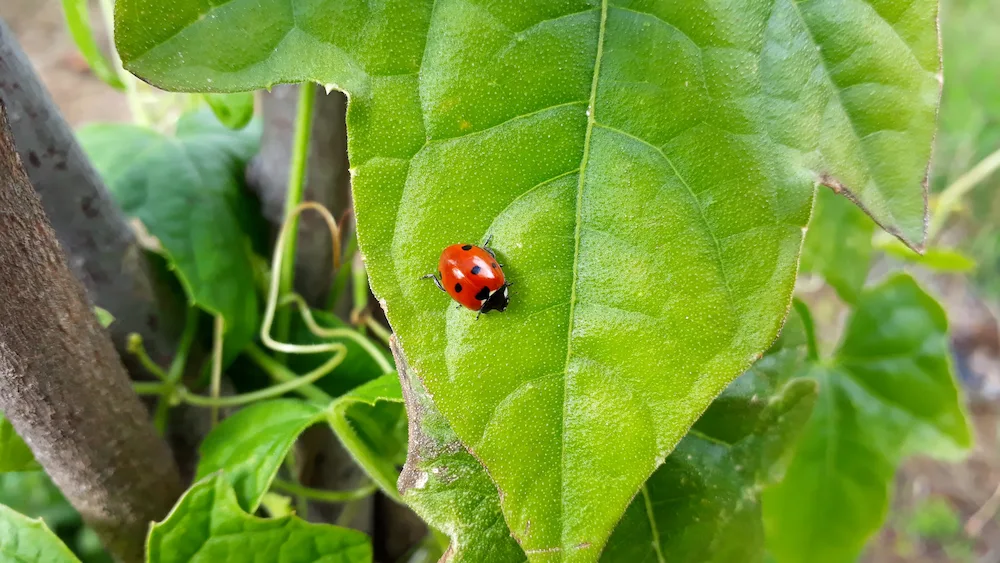
Applying effective garden pest control tips can help you manage infestations without harming your plants or beneficial insects.
- Hand-pick larger pests like hornworms and slugs when possible
- Use natural predators like ladybugs to control aphid populations
- Apply organic treatments such as neem oil when needed
- Rotate crops each season to disrupt pest life cycles
- Keep garden areas clean and free of excess debris
Consistency is key. Small, regular actions are more effective than reacting after pests have already spread.
When Pest Problems Become Overwhelming
Sometimes, despite your best efforts, pest problems can grow beyond what basic methods can handle. This is especially true during peak seasons when multiple pests are active at once.
If infestations continue to return or worsen, professional pest control can help identify the root cause and provide targeted solutions. This approach ensures your garden remains productive while preventing long-term damage. For a free quote on our effective services, contact us today!
Citations
Feaster, F. (2026, March 12). 44 common garden pests. HGTV. Available at https://www.hgtv.com/gardening/pests-and-weeds/16-common-garden-pests-pictures (Accessed on April 20, 2026).
Spotted Lanternflies Are the Worst Garden Pests
Spotted Lanternflies Are the Worst Garden Pests Spotted Lanternflies Are the Worst Garden Pests Summary: Spotted lanternflies drain sap from trees and vines, [...]
How Clogged Gutters Lead to Pest Problems
How Clogged Gutters Lead to Pest Problems How Clogged Gutters Lead to Pest Problems Summary: Clogged gutters trap standing water and decomposing debris [...]
Wasps Are Busy in Early Fall: Here’s Why
Wasps Are Busy in Early Fall: Here’s Why Wasps Are Busy in Early Fall: Here’s Why Summary: Wasp colonies peak in size during [...]
Pests That Work in Teams: Why Social Pests Are Harder to Ignore
Pests That Work in Teams: Why Social Pests Are Harder to Ignore Pests That Work in Teams: Why Social Pests Are Harder to Ignore [...]
How to Prevent Flies Inside and Out: Make Your Home Less Attractive
How to Prevent Flies Inside and Out: Make Your Home Less Attractive How to Prevent Flies Inside and Out: Make Your Home Less Attractive [...]
5 Pests That Love Crawl Spaces and Why They Move In
5 Pests That Love Crawl Spaces and Why They Move In 5 Pests That Love Crawl Spaces and Why They Move In Summary: [...]