
Why Pests Love Summer
Why Pests Love Summer
Summer is the best time of year in many people’s opinion, and for good reason. The longer hours of daylight, opportunities for vacations, and overall good weather are all cause for celebration after frigid winters and allergy-laden springs. Unfortunately, we are not the only beings that enjoy the summertime. Pests of all species and habitats also prefer the warmer weather that comes with the middle months of the year. This is why our backyard hangouts and pool parties all seem to be plagued by pests every year without fail. Let’s look at some of the most common reasons why pests love summer, as well as the most popular pests and how to prevent them from ruining your summertime dreams.
Why Do Pests Love Summer?
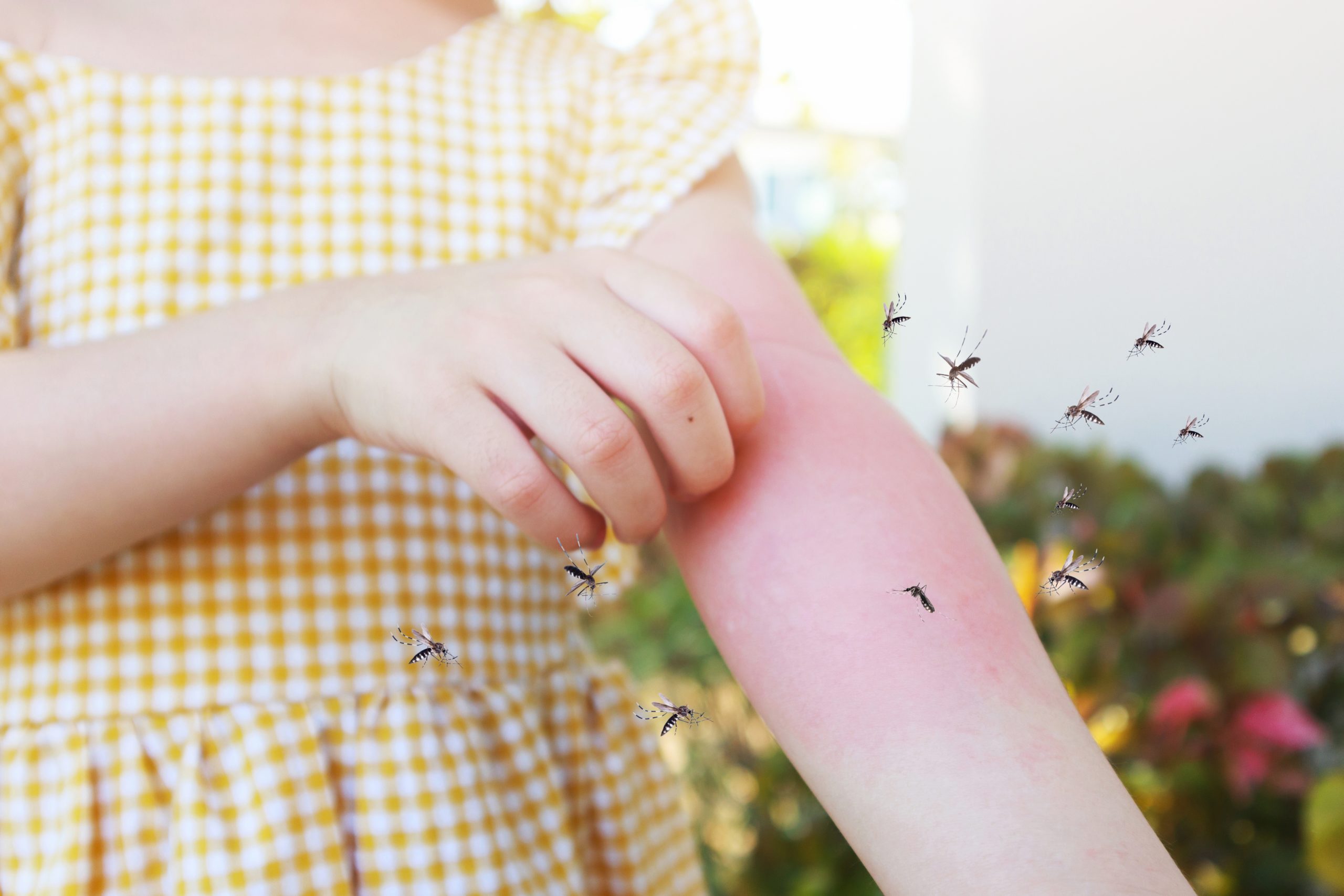
Every specific pest species has its own preferences and dislikes, but the majority of them enjoy summer for the same reasons. Hot weather and longer daylight give more opportunities for pests to have fun days full of eating everything in sight and finding new ways to annoy us. It would take us a long time to get into every single reason why summer is the best for the majority of pests, so we’ll just focus on the more general reasons for the overwhelming amount of pests in June, July, and August.
Arguably the largest reason for more pests is the consistently warmer temperatures. Insects and arachnids are ectothermic, meaning they are cold-blooded and their body temperature is directly affected by the temperature of their environment. This means that the warmer the weather, the more active they will be. They are invigorated by the heat and naturally want to move more than when it’s colder out. They consume more food and reproduce more often in the summer, two activities that cause major headaches for us in the long run. However, some pests get tired of the heat just like us. If it is more of a dry heat than a humid one, pests will seek shelter in a cooler place – namely, our air-conditioned homes. Spiders in particular like to keep cool as much as possible. But high humidity could mean more pests too, even though it’s hotter outside. Mosquitoes need moisture to thrive, so the damp air in humidity gives them the energy they need to spend more time annoying us.
Another major reason why pests love summer is because there is simply more food for them. Whether they are carnivores, herbivores, or omnivores doesn’t matter because everything is in abundance in the summer. There are more pests in general, as we keep saying, so the critters that eat other pests have a larger variety to choose from. Plants are also doing better in the summer (unless you live somewhere that feels like the surface of the sun every day), so the pests that love eating greenery also get more opportunities to feast. Fruits and vegetables are ripening at this time, which is both good and bad for us when pests get to our gardens first. And the pests that eat both other pests and foliage? They’re having the time of their lives amidst the growth that’s happening right now. Garden pests will eat off of a plant until it’s void of life and nutrients, so it’s never a good sign when your landscaping is full of insects. And, of course, there’s more of our food to go around in the summer. There are more picnics and outdoor barbecues where they can snag a meal before heading out to do more damage elsewhere, likely in the same backyard.
The longer hours of sunlight are also beneficial to pests in the summer. While most of us enjoy the abundant sunshine as a natural mood boost and encouragement to spend more time outside, insects and arachnids are also busier as a result of the sun. They have more time to feed and reproduce, since the diurnal pests are only active when the sun is up. Plants are also more vibrant and active with longer daylight, which in turn makes the pests who feed upon and live in their foliage even happier.
When we look into reasons why pests are more active in the summer, it also helps to take a look back at the seasons before this hot weather. If the previous winter experienced more rain, the summer will almost definitely be full of insects. This is because all of the plants and trees received plenty of water in their off-season, so they grow quicker and easier in the summer. Also, while many types of insects die off before winter, many of them have methods for surviving the harsh winter. Some stay in their protective eggs and hatch in early spring, while other species are capable of overwintering in some way. Both of these methods mean that the adult insects will be ready to go as soon as the weather starts heating up more. Speaking of which, let’s take a brief look at some of the most popular summer pests.
Most Common Summer Pests
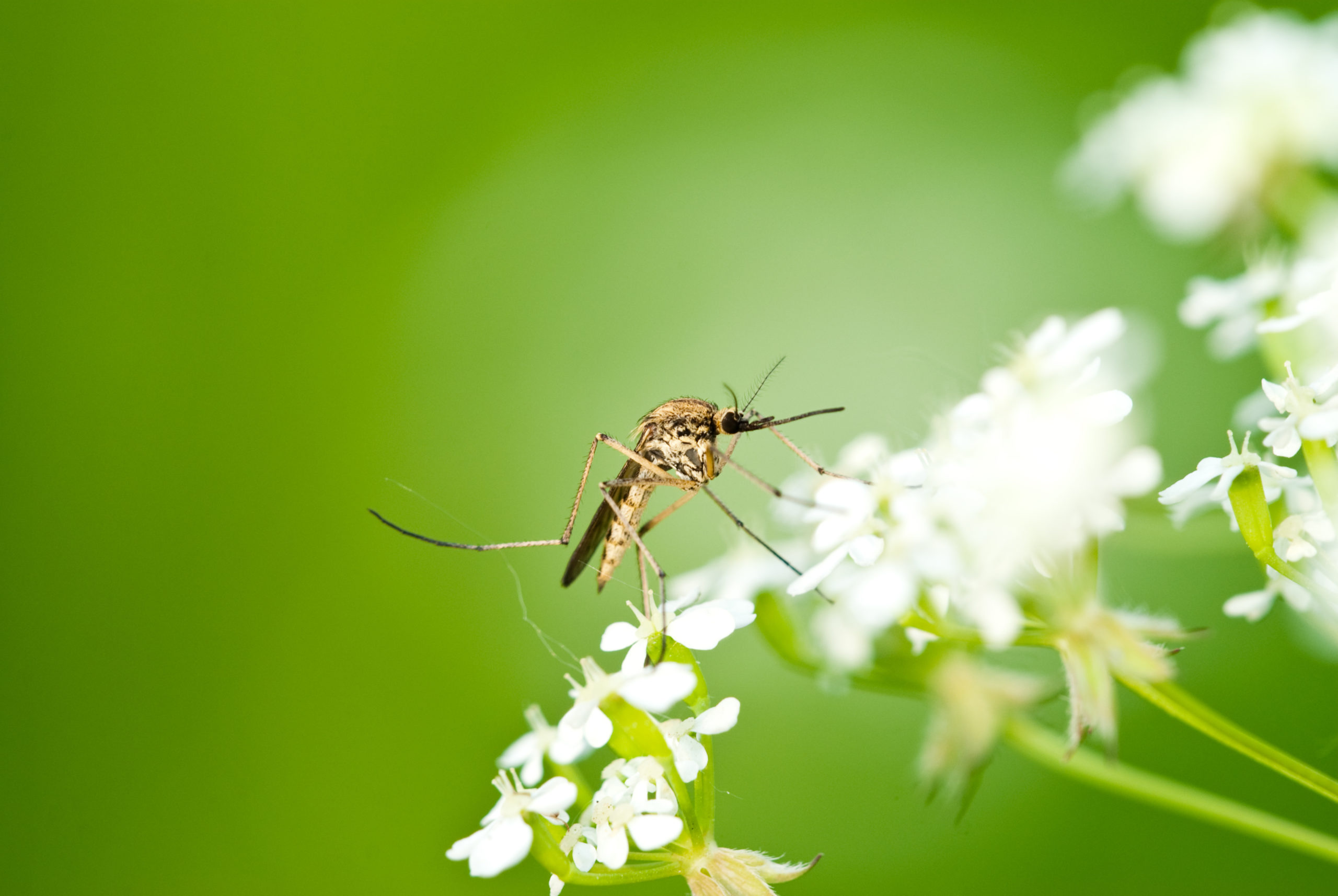
There could be many different kinds of pests that you find in your yard or home during the summer months, and it would be difficult to name every single kind that exists. But there are some general familiar faces we see every year without fail due to their huge populations and perseverant natures.
- Ants: Of course ants are on this list. They force their way into everywhere, including this blog. Summer is clearly their favorite time of year, even though it’s at the expense of our fun and relaxation. They have no problem inviting themselves to our picnics and backyard barbecues, since we’re serving all kinds of delicious food that they also enjoy. And when the heat is turned up just a little too much for them, ants know just where to go to cool off: our houses. They also find plenty of food and water indoors for their colony, so it’s a win-win for them and a lose-lose for us.
- Mosquitoes: Unless you are naturally gifted with the ability to repel mosquitoes, you may be hard-pressed to remember a summer when you did not come home with a few new mosquito bites after spending time outside. They are a nuisance at best and a menace at worst, since mosquitoes have the potential to cary diseases like Yellow Fever, Malaria, and Zika Virus. Mosquitoes lay their eggs in any kind of standing water and spend all of their early life stages in water, so they can be found in all kinds of places in a backyard. And since both warmer weather and waters make mosquitoes more active, they have all the energy in the world to annoy us when we’re just trying to enjoy the great outdoors.
- Spiders: Since insects are in abundance during the summer, it makes sense that spiders would also be plentiful at this time. Their main diet is insects, so they have a large menu to choose from during the summer. But spiders don’t like the heat as much as other pests, so they can often be found inside in this season. The cooled shelter and water sources are too tempting for them to resist. The ideal place for a spider to set up shop is anywhere with lots of insects and not much traffic from humans and pets, which is why they seem to always be living in the corners of garages and attics.
- Stinging Insects: No pest party would be complete without some insects that can deliver nasty stings. This whole group – bees, wasps, yellow jackets, hornets – thrive in the summer in all kinds of environments. Their colonies are busy working to keep the hive functioning well, as well as doing their main duty: pollinating. Flowers are in abundance during the summer months, so these pollinators have plenty to choose from as they gather the delectable pollen and nectar from the flora. But things quickly turn sour when we happen to get too close for comfort to them or their hives, even though it’s an accident most of the time.
No matter what pests are plaguing your home, it is an annoying summer tradition that seems to be unpreventable. But there are some easy habits and treatments you can do to cut down on the number of pests that are intent on invading your space during the hottest months of the year.
Pest Prevention Methods
DIY pest control doesn’t have to be an involved process that leaves you with no discernible difference in the number of pests invading your home. There are a few methods you can do every day to cut down on the pest infestations without going out of your way to make sure they don’t ruin your season.
- Use fans inside and outside – A simple ceiling fan or box fan does wonders for preventing flying pests from bugging you in the summer. Tiny flying pests can’t fly in winds that strong compared to their size, so you get the bonus of keeping cool yourself while keeping pests at bay. This is also a great trick to use at an outdoor party to prevent pests from swarming the food and your guests.
- Diffuse or spray essential oils – These natural oils have become very popular over the years as a natural way to make your home smell good while also benefitting your mood. There is a specific use for every oil if you want to fall down the research rabbit hole, but some of them are effective against many kinds of pests. Peppermint, lemongrass, eucalyptus, and lavender are some of the most common oils used against pests. You can diffuse them in the area if you’re feeling fancy, or you can just combine them with water and spray them where you know pests like to intrude on your space.
- Clean up crumbs – Wiping down the counters and tables after food has been served may seem obvious, but it is very helpful in preventing pests. Many of them, like ants and roaches, are drawn to food of all kinds, so crumbs on the counter are just another temptation for them to pursue. This is especially important after a party where there may be more crumbs and spills than a normal day. Use an anti-bacterial wipe to conquer the tasks of wiping up crumbs and killing any bacteria or food residue left behind.
- Keep all food sealed – This is another seemingly-obvious one, but it is one of the most productive in every season. Pests love our food, so by keeping it completely sealed, it will greatly help to keep them at bay. Use plastic snap-top containers or zip-top bags to keep food fresh while remaining protected against unwanted pests. Also, keeping pet food contained is a major help. Use a large snappable garbage can for big bags of food, and your pet will thank you later when their food is safe.
- Use bug spray before spending time outside – If you find that insects love you no matter where you are, this may be a good practice throughout the summer. Use a bug spray on any exposed skin (besides your face!) before spending a lot of time outside to make sure your summer fun won’t be ruined by getting bitten by all kinds of pests.
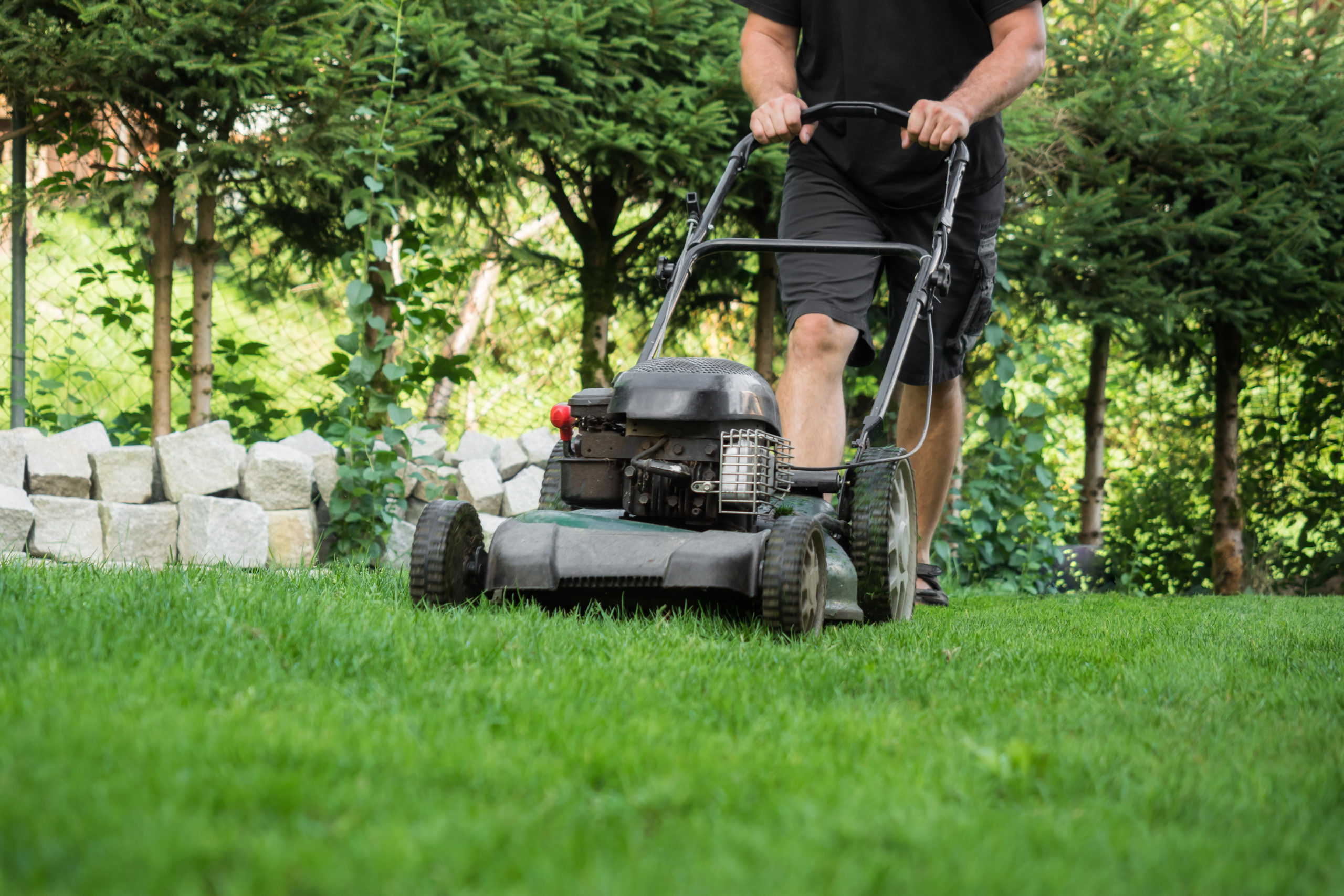
- Keep landscaping trimmed – Yard work is more fun for some people than for others, but it is important to at least keep greenery trimmed back from the house. Tree branches and bushes provide easy ways for pests to walk right up to your house, so keeping them back will help to prevent them from inviting themselves inside. Mowing the lawn is also important, as many ground-dwelling pests hide in thick grass.
- Check all door and window screens – Some places are way too hot to even think about opening the house in the summer, but other areas are temperate enough to open a door or window for at least a little while. Make sure that there aren’t any holes in the screens before opening the doors and windows. Small pests may make their way inside anyway, but by making sure there’s not any large gaps or holes, you cut down on the number that just march in like they own the place.
These tips will not guarantee that you will never see a pest in the summer, since that is next to impossible depending on where you live and if you have pest control, but they will definitely help to prevent an overwhelming number of pests from taking over your summer vacation. But, of course, there is one other method you can utilize that is the most effective of all: pest control services.
Pest Control is More Helpful Than Ever

Pest control is effective and a great investment any time of the year, especially with the preventative methods that are used today. But summer is arguably the most important season to have a solid pest control plan in place. Our experienced technicians use EPA-approved treatments to solve all kinds of pest problems, and we are always dedicated to providing the most effective services for your home or business. Contact us today to learn how you can set up the services to live a pest-free summer and enjoy the abundant sunshine!
Citations
Lessard, B. & Yeates, D. (2016, November 30). From warm to swarm: Why insect activity increases in summer. The Conversation. Available at https://theconversation.com/from-warm-to-swarm-why-insect-activity-increases-in-summer-69637 (Accessed on June 6, 2022).
Summer bugs: Why pests love the summer. (n.d.). Cryonite. Retrieved June 6, 2022, from https://www.cryonite.com/news/summer-bugs-why-pests-love-the-summer/
Pests That Overwinter in Walls and the Signs They Leave Behind
Pests That Overwinter in Walls and the Signs They Leave Behind Pests That Overwinter in Walls and the Signs They Leave Behind Summary: [...]
The Differences Between Web-Building and Hunting Spiders
The Differences Between Web-Building and Hunting Spiders The Differences Between Web-Building and Hunting Spiders Summary: Web-building spiders wait for prey to hit their [...]
Spotted Lanternflies Are the Worst Garden Pests
Spotted Lanternflies Are the Worst Garden Pests Spotted Lanternflies Are the Worst Garden Pests Summary: Spotted lanternflies drain sap from trees and vines, [...]
How Clogged Gutters Lead to Pest Problems
How Clogged Gutters Lead to Pest Problems How Clogged Gutters Lead to Pest Problems Summary: Clogged gutters trap standing water and decomposing debris [...]
Wasps Are Busy in Early Fall: Here’s Why
Wasps Are Busy in Early Fall: Here’s Why Wasps Are Busy in Early Fall: Here’s Why Summary: Wasp colonies peak in size during [...]
Pests That Work in Teams: Why Social Pests Are Harder to Ignore
Pests That Work in Teams: Why Social Pests Are Harder to Ignore Pests That Work in Teams: Why Social Pests Are Harder to Ignore [...]