
Why Do Ants Bite When They Feel Threatened?
Why Do Ants Bite When They Feel Threatened?
Summary: Learn why ants bite when threatened, how their defense behavior works, and how to identify aggressive ants before they become a bigger problem.
Ants are usually more interested in food than people, but when they feel disturbed or sense danger, they switch quickly into defense mode. If you have ever been bitten seemingly out of nowhere, it is often because the ant perceived you as a threat rather than a target.
Understanding why do ants bite comes down to how they communicate danger and protect their colony. Whether you are dealing with a few ants indoors or a large nest outdoors, their behavior is driven by survival instincts and coordinated group defense.
The Role of Ant Defense Behavior
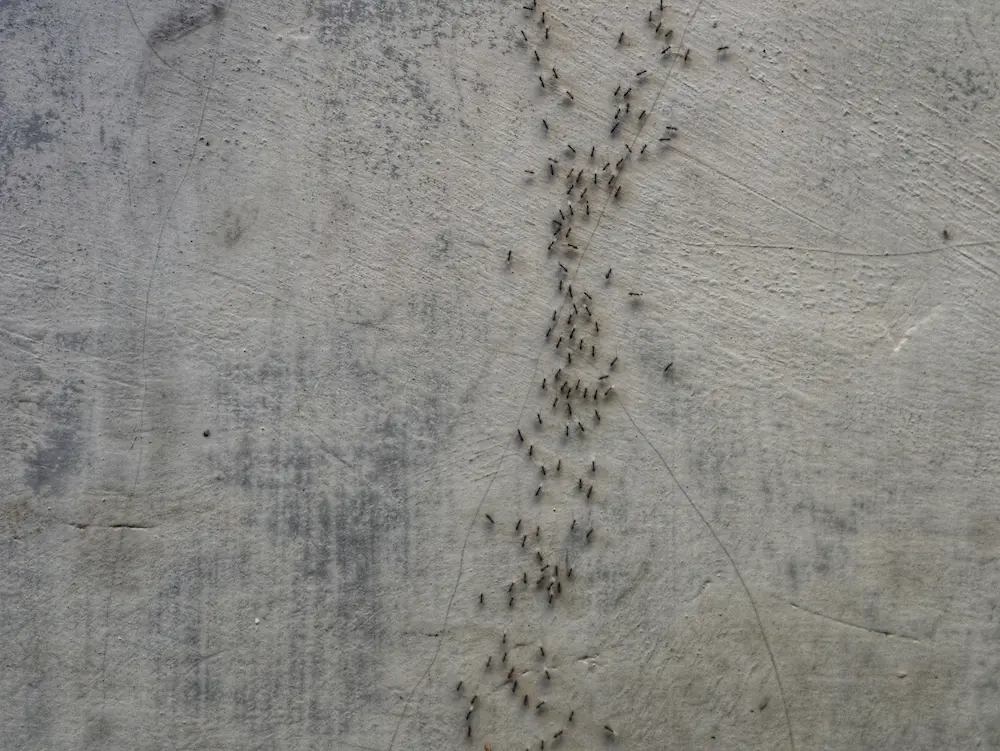
Ant colonies function like a single unit. Each ant has a role, and when one senses danger, it releases chemical signals called pheromones. These signals alert nearby ants that something is wrong, triggering ant defense behavior almost instantly.
When this happens, ants may swarm, bite, or sting depending on the species. Worker ants are especially aggressive when defending their nest, queen, or food sources. Even small disturbances like stepping near a colony or moving an object they are nesting under can trigger a response.
Do Ants Bite or Sting?
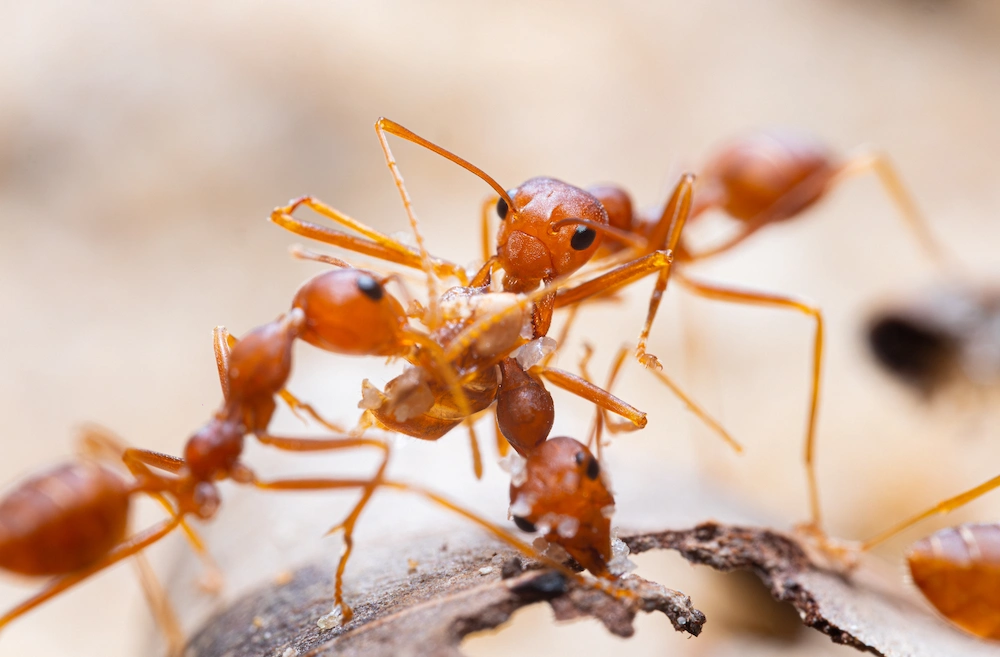
Not all ants behave the same way, which is why people often ask do ants bite or sting. The answer is that some ants do one, some do both.
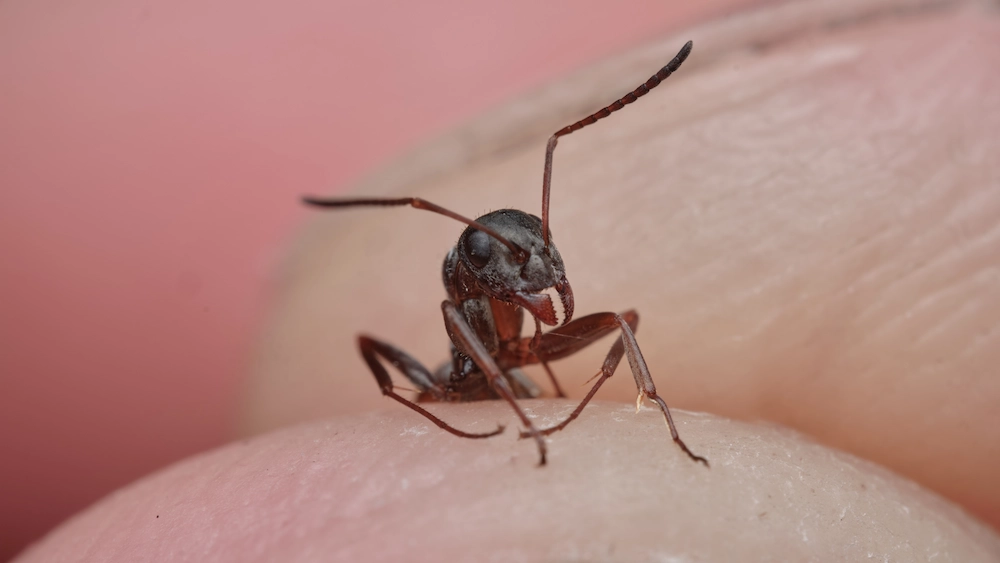
Ants use their mandibles to bite and hold onto skin. Certain species, like fire ants, will bite to anchor themselves and then sting repeatedly. Other ants may only bite, causing mild irritation rather than intense pain.
This difference explains why some encounters feel like a quick pinch, while others result in burning pain or raised welts.
Why Ants Attack Humans
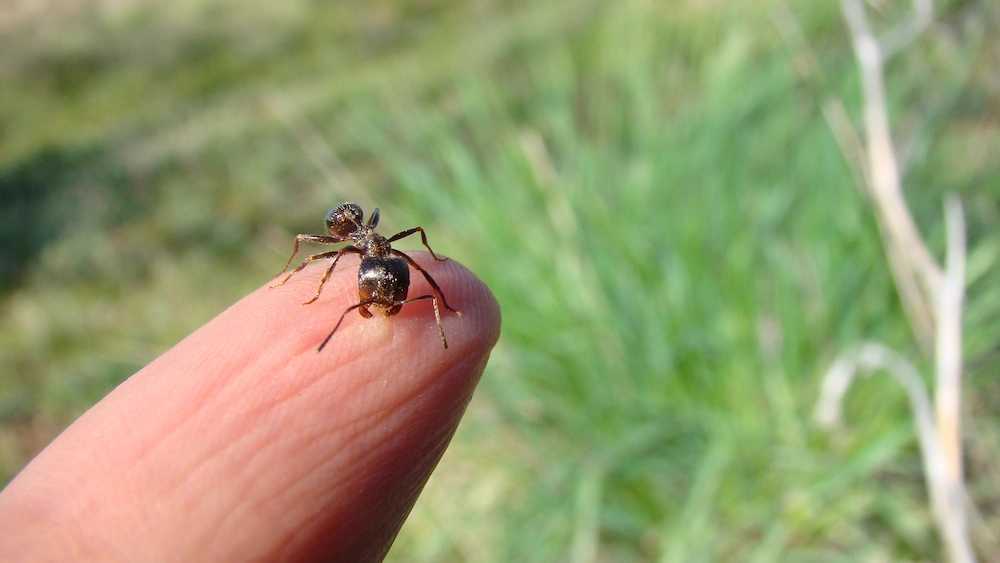
Ants do not actively hunt humans, but there are clear reasons why ants attack humans when interactions happen. Most cases come down to proximity and disturbance.
If you accidentally step on a mound, lean against an infested surface, or disrupt their trail, ants interpret that as a direct threat. In response, they act quickly to defend their territory and colony.
In outdoor settings, this is especially common in yards, parks, and areas with visible nests. Indoors, it may happen when ants are nesting in walls, floors, or furniture and feel repeated vibrations or disturbance.
Signs of Aggressive Ants
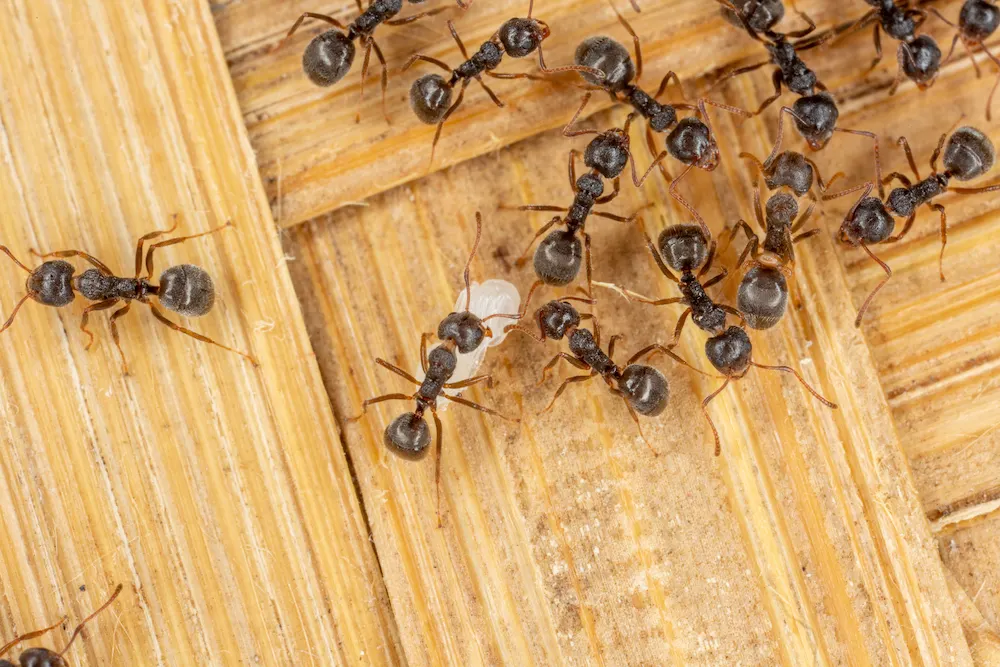
Some ant species are more defensive than others, and recognizing signs of aggressive ants can help you avoid painful encounters before they happen.
- Ants swarming quickly when their area is disturbed
- Increased activity around a visible mound or entry point
- Ants climbing onto shoes or clothing rapidly
- Multiple bites or stings happening within seconds
These behaviors usually indicate that you are too close to a colony or have disturbed a nesting site.
Why Ant Bites Happen More Often at Home
Inside homes, ants are often searching for food or water, but they may also be nesting in hidden areas. When colonies establish themselves in walls, kitchens, or under flooring, human activity can unintentionally trigger defensive reactions.
Vacuuming, moving furniture, or even regular foot traffic can disturb hidden nests. This leads to unexpected bites, especially if the colony has grown large enough to react quickly.
If you are dealing with recurring ant issues, it is a sign that the colony is well established and needs to be addressed at the source.
How to Reduce Ant Bites and Prevent Infestations

Preventing bites starts with reducing contact and eliminating the conditions that attract ants in the first place. The less interaction you have with active colonies, the lower your risk of triggering defensive behavior.
- Keep food sealed and clean up crumbs or spills quickly
- Seal entry points around windows, doors, and foundations
- Avoid disturbing visible ant trails or nests
- Address moisture issues that attract ants indoors
- Schedule professional ant control if activity continues
Early action is key. Once a colony feels established, it becomes more reactive and harder to manage without proper treatment.
When to Call a Professional
If ants are biting frequently or showing aggressive behavior, it is time to take the issue seriously. Large or hidden colonies can spread quickly and create ongoing problems inside and outside your home.
A professional pest control service can identify the species, locate the nest, and apply targeted treatments that eliminate the source rather than just the visible ants. This approach reduces both infestation levels and the chances of future bites. Contact us for a free quote on our reliable ant control services today!
Citations
Ant bites. (2022, May 6). Cleveland Clinic. Retrieved April 14, 2026, from https://my.clevelandclinic.org/health/diseases/22943-ant-bites
Spotted Lanternflies Are the Worst Garden Pests
Spotted Lanternflies Are the Worst Garden Pests Spotted Lanternflies Are the Worst Garden Pests Summary: Spotted lanternflies drain sap from trees and vines, [...]
How Clogged Gutters Lead to Pest Problems
How Clogged Gutters Lead to Pest Problems How Clogged Gutters Lead to Pest Problems Summary: Clogged gutters trap standing water and decomposing debris [...]
Wasps Are Busy in Early Fall: Here’s Why
Wasps Are Busy in Early Fall: Here’s Why Wasps Are Busy in Early Fall: Here’s Why Summary: Wasp colonies peak in size during [...]
Pests That Work in Teams: Why Social Pests Are Harder to Ignore
Pests That Work in Teams: Why Social Pests Are Harder to Ignore Pests That Work in Teams: Why Social Pests Are Harder to Ignore [...]
How to Prevent Flies Inside and Out: Make Your Home Less Attractive
How to Prevent Flies Inside and Out: Make Your Home Less Attractive How to Prevent Flies Inside and Out: Make Your Home Less Attractive [...]
5 Pests That Love Crawl Spaces and Why They Move In
5 Pests That Love Crawl Spaces and Why They Move In 5 Pests That Love Crawl Spaces and Why They Move In Summary: [...]