
Pest Prevention Tips for Snowy Days
Pest Prevention Tips for Snowy Days
Summary: Snowy weather pushes pests to seek warmth and shelter indoors, so prevention starts with sealing entry points, reducing food and moisture, and inspecting the exterior after storms.
Snow can make your neighborhood look peaceful, but it can also flip the switch on pest activity. When temperatures drop and the ground hardens, insects and rodents start looking for the easiest upgrade: your warm, dry home. That is why pest prevention on snowy days is less about reacting to what you see and more about shutting down the entry points before anything sneaks in.
A good snow day routine is simple. Keep your home sealed, keep food and moisture under control, and do a quick walk-around after storms to spot new gaps or damage.
Why Snow Changes Pest Behavior
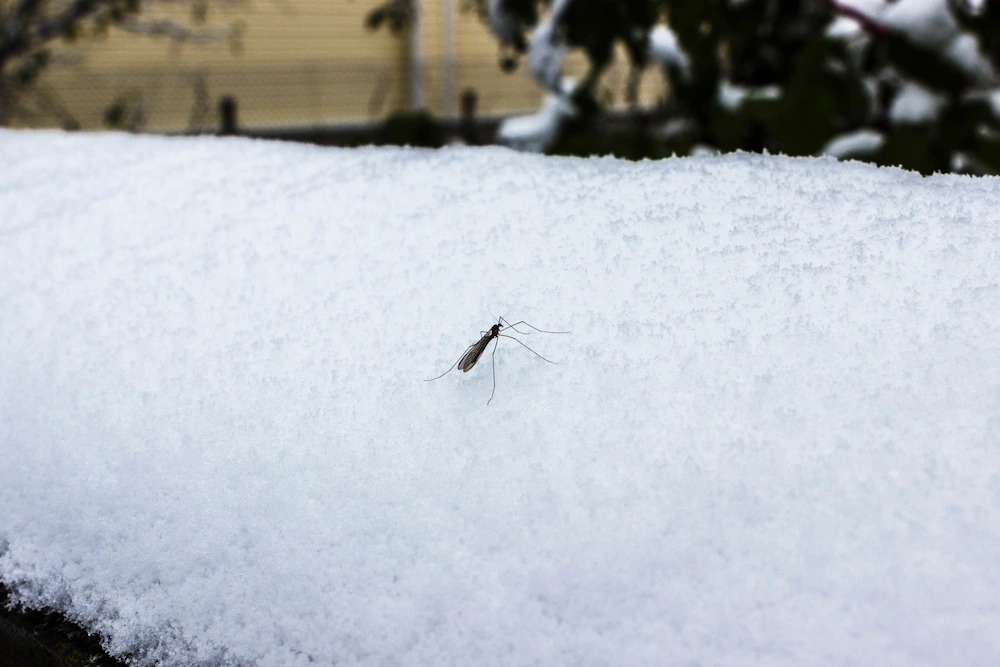
When snow piles up, outdoor hiding spots get buried. Mulch, leaf litter, wood stacks, and foundation plantings become colder and wetter, which makes it harder for pests to stay comfortable. In practical terms, snow drives pests indoors because the temperature difference between outside and inside is huge, and pests are always following warmth, shelter, and easy meals.
Even if you do not see pests in the open, they can still be active. Rodents can travel under snow cover, and many insects shelter in wall voids, attics, and basements where temperatures are more stable. The goal is to make your house the least convenient option.
Start with the Basics: Doors, Windows, and Airflow
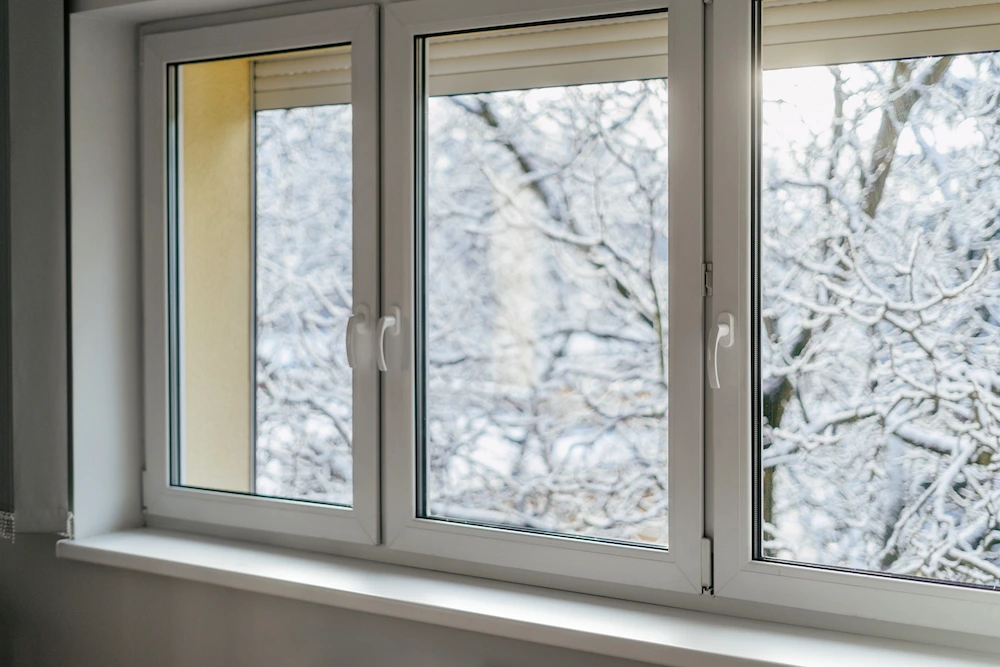
The fastest way to keep pests out during snow is to treat your home like a weatherproofing project. If cold air can slip in, pests can, too. Snow and ice can also shift weather stripping, warp old wood, and loosen seals around frames.
Take five minutes to check the obvious spots. Close doors and windows fully, confirm the latch pulls the door tight, and look for daylight around frames. If you can feel a draft with your hand, that is a problem worth fixing. These small checks are the foundation of winter weather pest prevention, and they pay off all season.
Quick Indoor Sealing Checklist
- Add or replace door sweeps so the bottom of the door sits flush with the threshold
- Repair torn window screens and re-seat loose screen frames
- Refresh weather stripping around exterior doors and sliding doors
- Seal gaps around pipe penetrations under sinks and behind appliances
- Cap or screen attic vents, dryer vents, and chimney openings with proper materials
Seal the Outside Before the Next Storm Hits
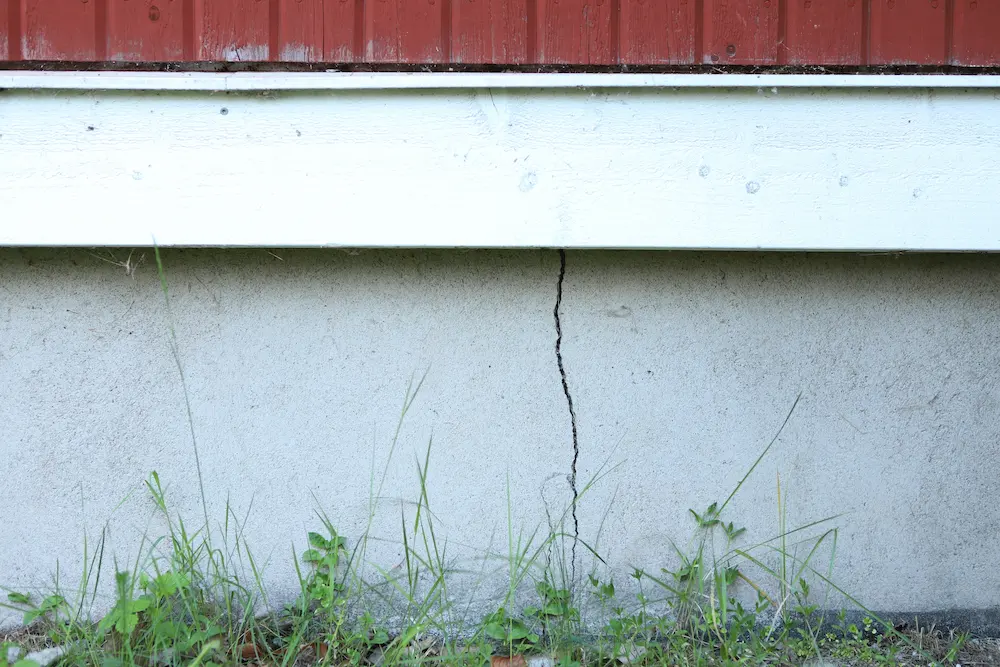
Snow, ice, and wind can expose weak points on the exterior of your home. Siding shifts, caulk cracks, and foundation gaps become more noticeable after a freeze-thaw cycle. This is where you can close gaps to prevent pests instead of dealing with a surprise visit later.
Focus your inspection on the lowest parts of the home first. Rodents are especially good at finding tiny openings near foundations, garages, crawlspaces, and utility lines. If you need an extra layer of protection for winter, consider scheduling a seasonal visit through Green Pest Services’ winter pest control program so a technician can identify problem areas before pests settle in.
Outdoor Problem Areas to Check After Snowfall
- Cracks in the foundation, especially near corners and steps
- Gaps around hose bibs, AC lines, and cable or utility entries
- Garage door seals and side weather stripping
- Damaged soffits, fascia, and roofline openings
- Wood piles, clutter, or heavy leaf buildup touching the house
Once you find gaps, use the right materials. Caulk works for small cracks, but larger openings often need backer rod, expandable foam rated for pests, or hardware cloth. For rodent-prone areas, steel wool combined with sealant can help block gnawing access. The key is durability, since winter storms can quickly undo a quick patch.
Make Your Kitchen and Storage Areas Boring to Pests

Cold weather does not make pests stop eating, it makes them more motivated. A single spilled bag of pet food or a forgotten snack in the pantry can turn into a winter food source for mice, roaches, and other invaders. This is where cold weather pest control tips overlap with everyday home habits.
Keep food in sturdy containers, clean up crumbs consistently, and avoid leaving dishes overnight. If you store seasonal decorations or bulk items in the garage or basement, use hard plastic bins instead of cardboard. Cardboard absorbs moisture and creates sheltered edges that pests love.
Watch for Early Signs and Respond Quickly
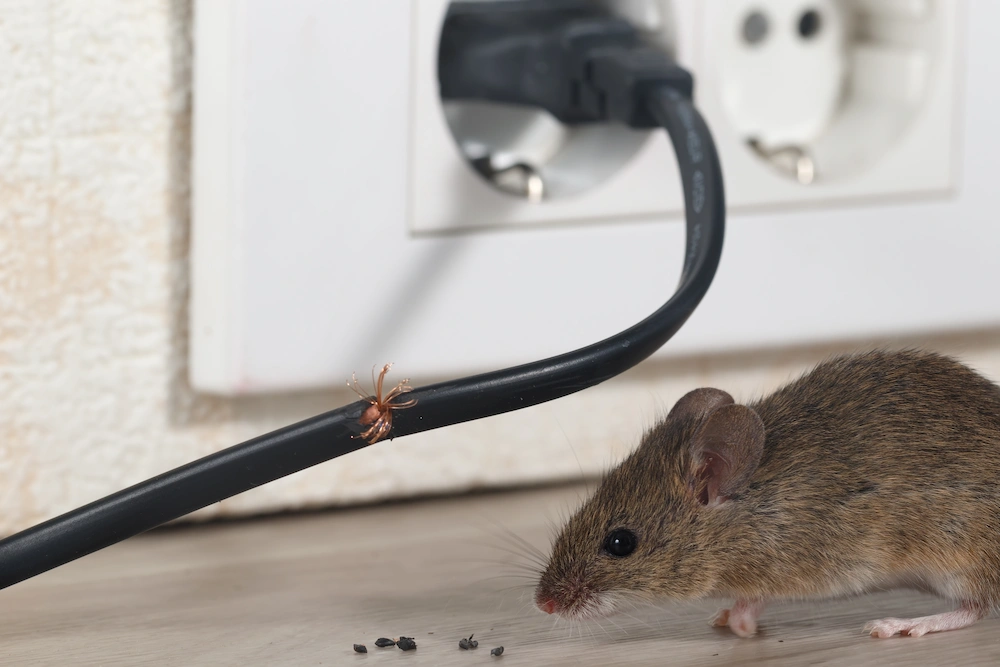
If you do everything right, you may still see signs that something tried to move in. Snow can push pests toward the edges of your home, and one missed crack can be enough for activity to start. The earlier you catch it, the easier it is to stop.
Pay attention to droppings, gnaw marks, scratching noises at night, and new smells in basements, crawlspaces, and garages. If you suspect rodents or have repeat activity every winter, professional support can help you break the cycle. Green Pest Services offers targeted rodent control that focuses on inspection, exclusion, and long-term prevention, not just quick fixes.
When DIY is Not Enough
Some winter problems are bigger than a tube of caulk. If you are seeing recurring pests, have an older home with many entry points, or cannot locate where pests are getting in, it is time to bring in a professional. A trained eye can spot the gaps most homeowners miss, especially around rooflines, crawlspace vents, and utility penetrations. Green’s licensed technicians alleviate rodent concerns by not only treating their nest sites, but also searching for evidence of a new pest problem.
Snowy days can be cozy, but they can also hide developing pest issues. Take a proactive approach now, and you will spend the rest of winter worrying about hot cocoa instead of scratching in the walls. If you want help building a winter prevention plan for your home, contact Green Pest Services for an inspection and recommendations tailored to your property.
Citations
Winter pest control tips. (2025, January 7). Maggie’s Farm. Retrieved January 12, 2026, from https://maggiesfarmproducts.com/blogs/bug-help/winter-pest-control-tips
Pests That Overwinter in Walls and the Signs They Leave Behind
Pests That Overwinter in Walls and the Signs They Leave Behind Pests That Overwinter in Walls and the Signs They Leave Behind Summary: [...]
The Differences Between Web-Building and Hunting Spiders
The Differences Between Web-Building and Hunting Spiders The Differences Between Web-Building and Hunting Spiders Summary: Web-building spiders wait for prey to hit their [...]
Spotted Lanternflies Are the Worst Garden Pests
Spotted Lanternflies Are the Worst Garden Pests Spotted Lanternflies Are the Worst Garden Pests Summary: Spotted lanternflies drain sap from trees and vines, [...]
How Clogged Gutters Lead to Pest Problems
How Clogged Gutters Lead to Pest Problems How Clogged Gutters Lead to Pest Problems Summary: Clogged gutters trap standing water and decomposing debris [...]
Wasps Are Busy in Early Fall: Here’s Why
Wasps Are Busy in Early Fall: Here’s Why Wasps Are Busy in Early Fall: Here’s Why Summary: Wasp colonies peak in size during [...]
Pests That Work in Teams: Why Social Pests Are Harder to Ignore
Pests That Work in Teams: Why Social Pests Are Harder to Ignore Pests That Work in Teams: Why Social Pests Are Harder to Ignore [...]