
How to Prevent Flies Inside and Out: Make Your Home Less Attractive
How to Prevent Flies Inside and Out: Make Your Home Less Attractive
Summary: A practical guide to preventing flies indoors and outdoors by managing food, trash, organic waste, moisture, drains, and entry points.
Flies do not need much encouragement to settle around a home. An uncovered trash can, food residue on a counter, pet waste in the yard, or damp organic material can provide exactly what they need to feed and reproduce. Once those resources are available, a few flies can quickly become a persistent nuisance.
Effective fly prevention starts with removing the conditions that draw them in. Instead of relying only on swatters or sprays, homeowners can make both indoor and outdoor spaces less appealing by improving food storage, sanitation, trash management, and moisture control.
Why Fly Prevention Starts With Food and Waste
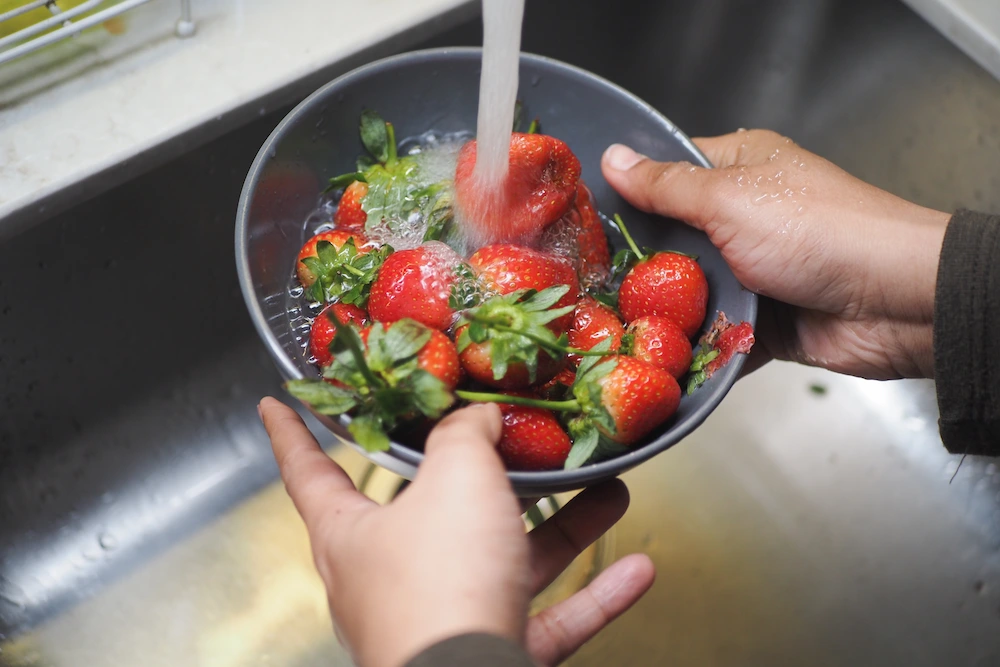
Most nuisance flies spend their time searching for food, moisture, and suitable places to reproduce. Kitchens, garbage areas, drains, recycling containers, compost, and animal waste can all provide attractive conditions, depending on the type of fly involved.
This is why learning how to prevent flies is largely a matter of denying them easy resources. A clean-looking room can still support activity if residue is hiding beneath an appliance, produce is beginning to spoil, or a trash container has organic buildup around the lid.
Store Food So Flies Cannot Reach It
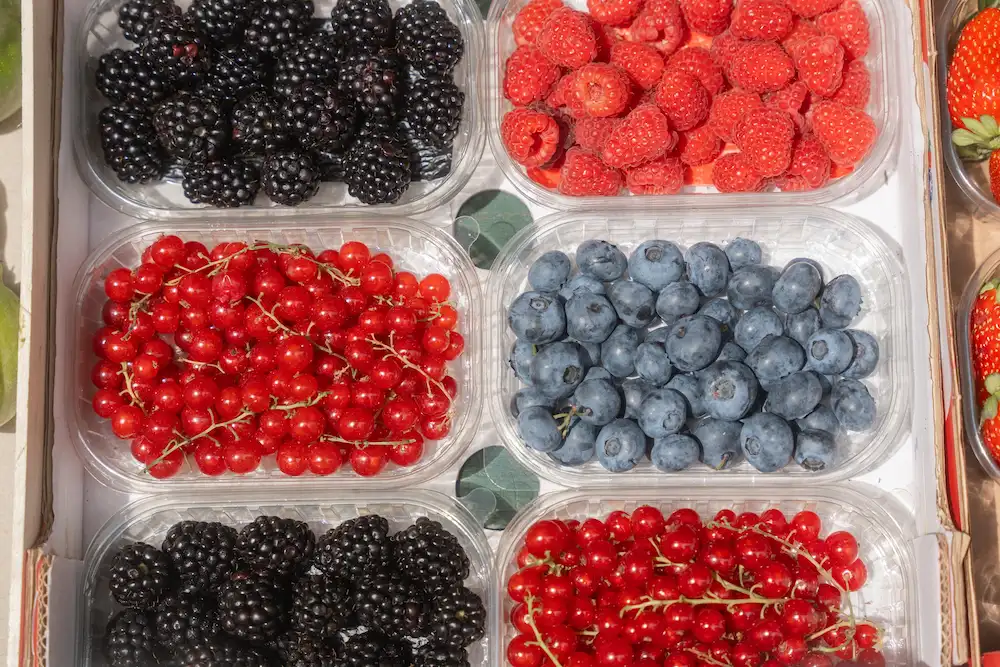
Food storage is one of the simplest ways to reduce fly activity indoors. Ripe fruit, baked goods, leftovers, meat scraps, and sugary spills can all attract flies. Food that does not need to remain on the counter should be refrigerated or placed in a sealed container.
Pay particular attention to produce. Fruit that is becoming overripe can attract small flies before it looks obviously spoiled. Regularly check fruit bowls, onions, potatoes, and other produce stored outside the refrigerator, and remove anything that has started to rot.
Do Not Forget Pet Food and Drinks
Pet bowls can become another overlooked food source. Pick up uneaten wet food promptly and clean bowls regularly so residue does not accumulate. Dry pet food should be kept in a tightly closed container rather than an open bag.
The same principle applies to beverage spills and empty containers. Soda, juice, beer, and other sweet liquids leave behind residues that can attract flies, even when only a small amount remains in a bottle, can, or recycling bin.
Make Trash Management Part of Fly Control
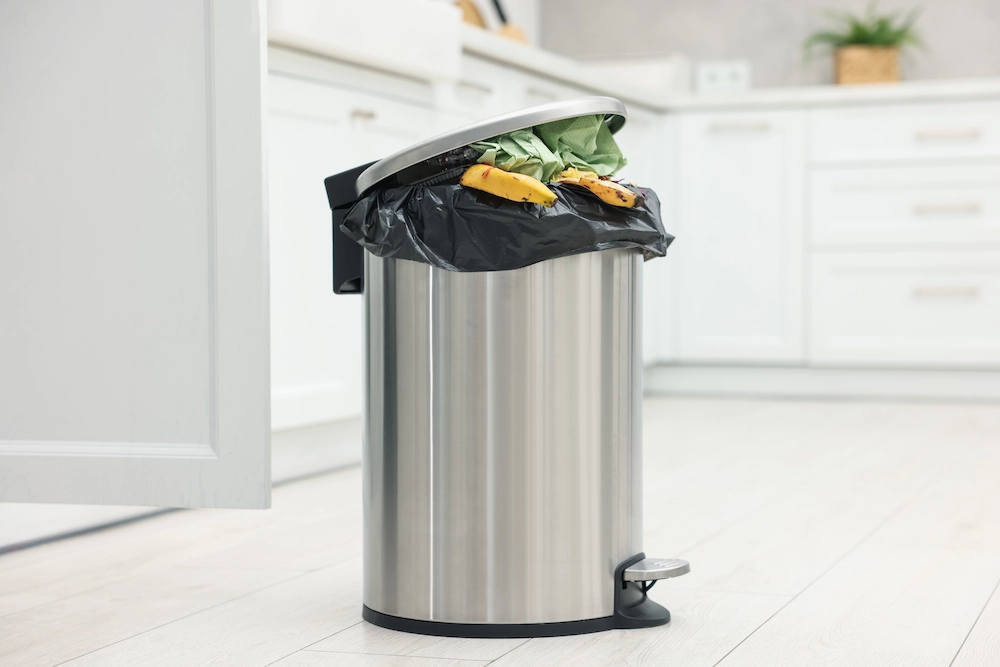
Garbage is one of the strongest fly attractants around a home because it combines moisture, odors, and decomposing organic material. Good trash management for flies requires more than taking the bag outside when it is full. The container itself also needs attention.
Use sturdy liners, close bags securely, and keep indoor trash cans covered when possible. If food leaks into the bottom of a bin, wash and dry the container instead of placing a fresh liner over the residue.
Outdoor Cans Need Regular Cleaning Too
Outdoor garbage and recycling cans sit in warm conditions where food residue can develop strong odors. Keep lids fully closed, avoid allowing bags to overflow, and rinse containers when liquids or food waste collect inside.
Place cans away from frequently used doors when practical. This will not eliminate flies, but it can reduce the chance that insects gathering around the trash will enter every time someone opens a nearby door.
Clean the Small Messes That Keep Flies Coming Back
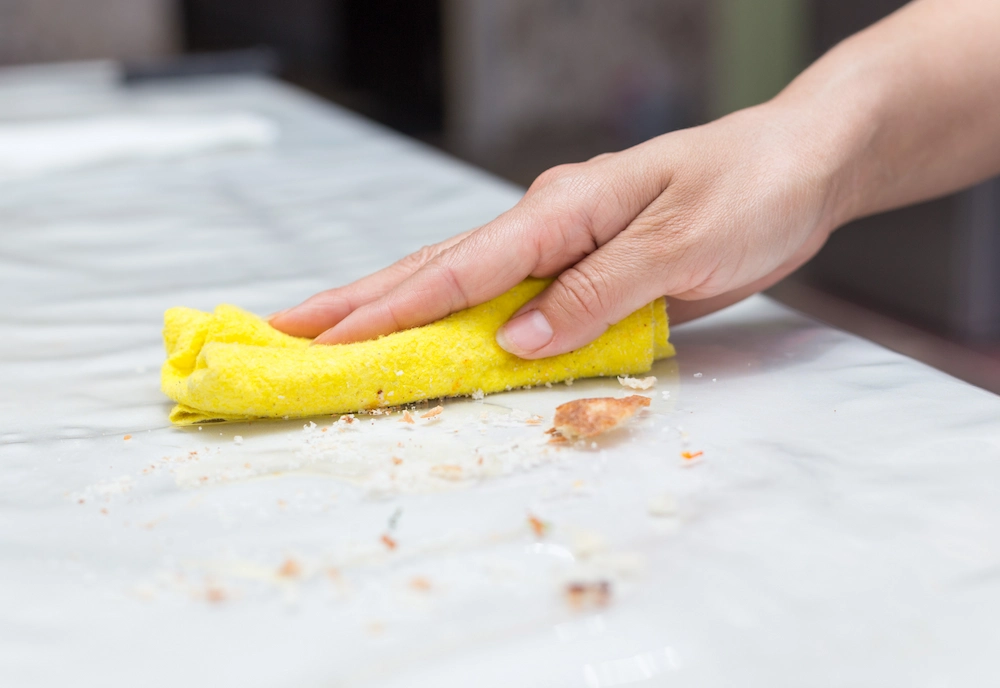
Fly prevention inside the home depends on consistency. Wiping a countertop while ignoring crumbs under the toaster or grease beside the stove leaves behind enough material for pests to investigate. Cleaning should include the less visible places where organic debris collects.
Focus on areas beneath appliances, around trash cans, under dining tables, and beside pet feeding stations. Clean sticky residue as soon as possible, wash dishes instead of leaving them overnight, and regularly wipe shelves where food is stored.
Give Drains Attention When Flies Gather Nearby
If small flies repeatedly hover around sinks, showers, or floor drains, the issue may be organic buildup rather than exposed food. Moist residue inside certain drains can support drain fly development.
Routine drain maintenance and correcting plumbing problems can help remove those conditions. If fly activity continues despite cleaning, proper identification becomes important because fruit flies, drain flies, and other small flies require different approaches.
Move the Prevention Routine Outdoors
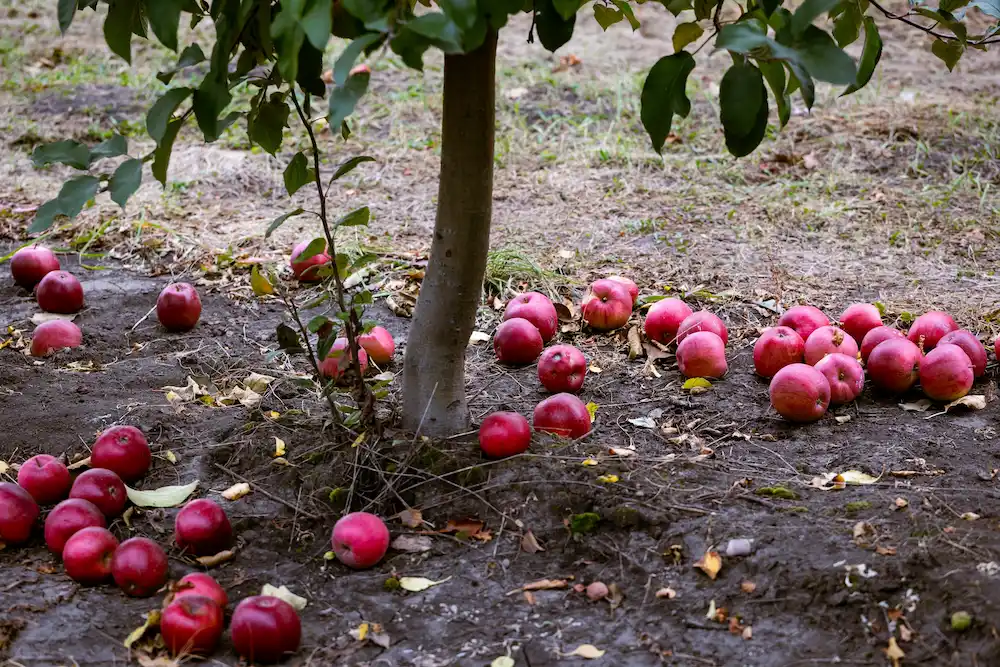
Indoor sanitation will only go so far if the yard provides abundant breeding material. Outdoor fly control should focus on removing decomposing organic matter and keeping high-odor materials from accumulating near the house.
Pet waste is a major example. Pick it up frequently instead of allowing it to remain in the lawn. Clean up fallen fruit, spilled animal feed, food left after outdoor meals, and other organic debris before flies have time to gather.
Watch Compost and Yard Debris
Compost can be managed without turning it into a fly magnet, but exposed food scraps and excessive moisture can create problems. Follow the requirements of your composting method, cover appropriate food material, and keep the area maintained.
Grass clippings, wet leaves, and decaying plant material can also hold moisture and organic matter. Keeping the yard tidy reduces the number of places where flies and other pests can feed or develop.
Block Flies Before They Cross the Doorway
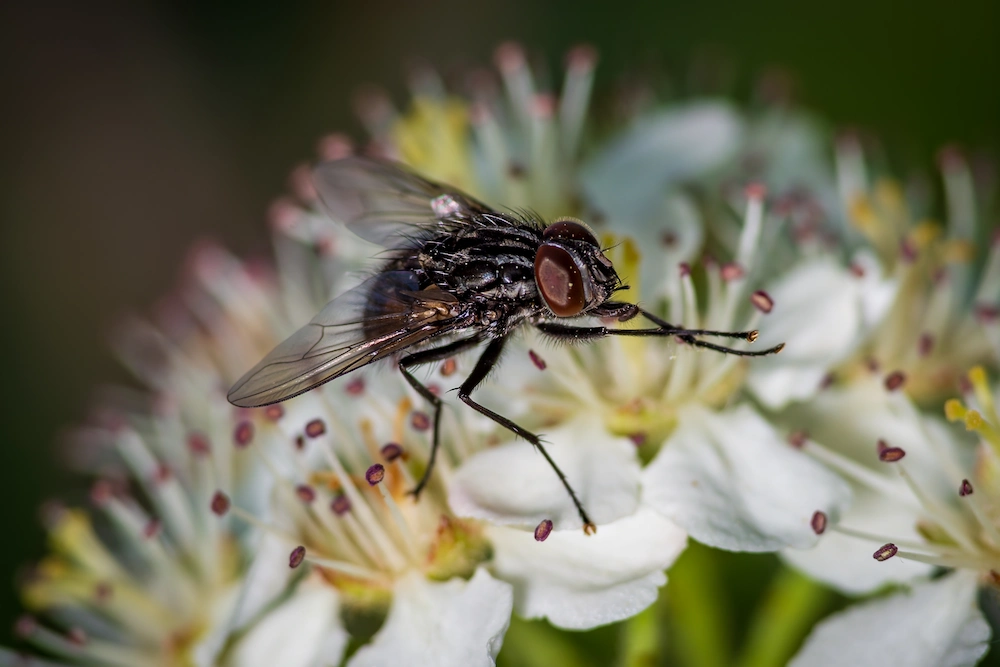
Sanitation removes attractants, while exclusion makes it harder to keep flies out of the house. Inspect window screens and screen doors for holes, gaps, or loose edges. Repair damaged screens and make sure exterior doors close properly.
Frequent door use can still allow an occasional fly indoors, especially during warmer weather. The goal is not to create an impossible barrier. It is to remove easy entry points while reducing the food and breeding resources that would encourage flies to remain.
A Short Fly Prevention Checklist
- Refrigerate or seal exposed food and ripe produce.
- Keep trash and recycling containers closed and clean.
- Pick up pet waste and outdoor food debris promptly.
- Clean spills, crumbs, drains, and hidden food residue.
- Repair damaged screens and gaps around exterior doors.
These fly prevention tips work best as an ongoing routine rather than a one-time cleanup. When food, waste, and moisture are consistently managed, flies have fewer reasons to gather around the property.
If flies continue appearing in large numbers, the source may be hidden or the species may require a more targeted solution. Green Pest Services includes general pest control among our residential services and maintains local pest control throughout our service areas, including Alexandria.
Stop Feeding the Fly Problem
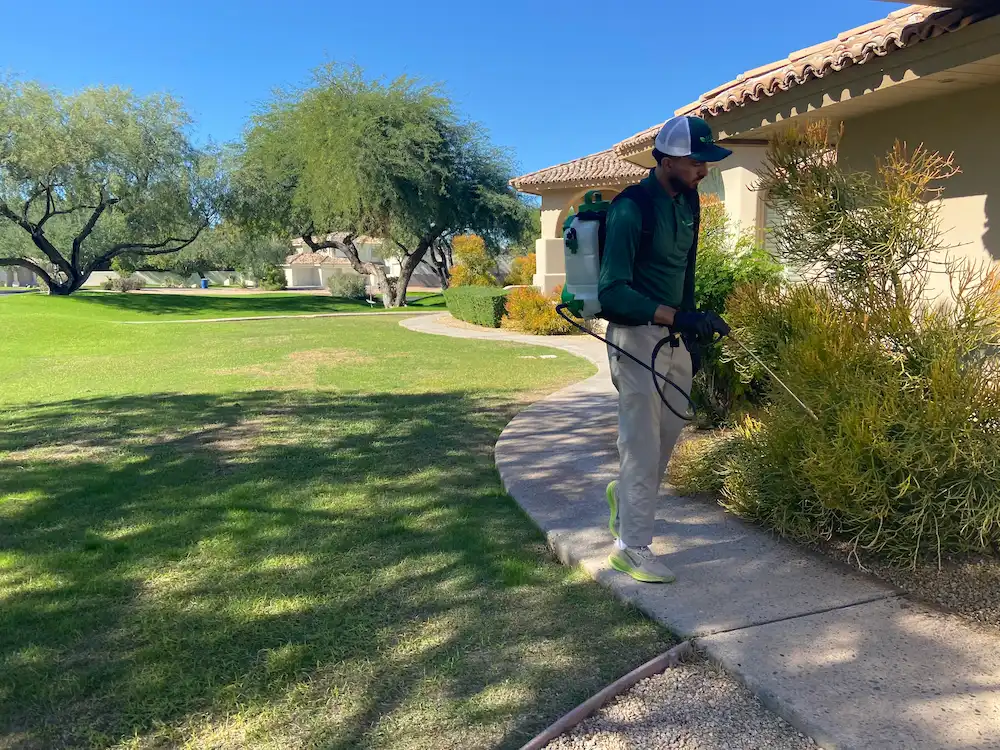
The most effective strategy to prevent flies around home is straightforward: remove what they are coming for. Secure food, maintain trash, clean organic residue, manage outdoor waste, and close off common entry points. Each step reduces another opportunity for flies to feed, reproduce, or move indoors.
Persistent activity is a reason to look beyond the fly you can see. Finding the underlying food source, breeding material, or entry point is what turns temporary relief into lasting control. For a free quote on our personalized pest control services, contact us today!
Citations
SanSone, A.E. (2026, July 9). If flies keep getting into your house, these could be the reasons. Southern Living. Available at https://www.southernliving.com/keep-flies-away-from-house-11995314 (Accessed on August 12, 2026).
The Differences Between Web-Building and Hunting Spiders
The Differences Between Web-Building and Hunting Spiders The Differences Between Web-Building and Hunting Spiders Summary: Web-building spiders wait for prey to hit their [...]
Spotted Lanternflies Are the Worst Garden Pests
Spotted Lanternflies Are the Worst Garden Pests Spotted Lanternflies Are the Worst Garden Pests Summary: Spotted lanternflies drain sap from trees and vines, [...]
How Clogged Gutters Lead to Pest Problems
How Clogged Gutters Lead to Pest Problems How Clogged Gutters Lead to Pest Problems Summary: Clogged gutters trap standing water and decomposing debris [...]
Wasps Are Busy in Early Fall: Here’s Why
Wasps Are Busy in Early Fall: Here’s Why Wasps Are Busy in Early Fall: Here’s Why Summary: Wasp colonies peak in size during [...]
Pests That Work in Teams: Why Social Pests Are Harder to Ignore
Pests That Work in Teams: Why Social Pests Are Harder to Ignore Pests That Work in Teams: Why Social Pests Are Harder to Ignore [...]
How to Prevent Flies Inside and Out: Make Your Home Less Attractive
How to Prevent Flies Inside and Out: Make Your Home Less Attractive How to Prevent Flies Inside and Out: Make Your Home Less Attractive [...]