
The 5 Worst Flies That Invade Homes and How to Prevent Them
The 5 Worst Flies That Invade Homes and How to Prevent Them
Summary: Learn about the five worst flies that invade homes, what attracts them indoors, and the most effective ways to prevent and eliminate fly infestations.
Why Flies Become a Problem Indoors
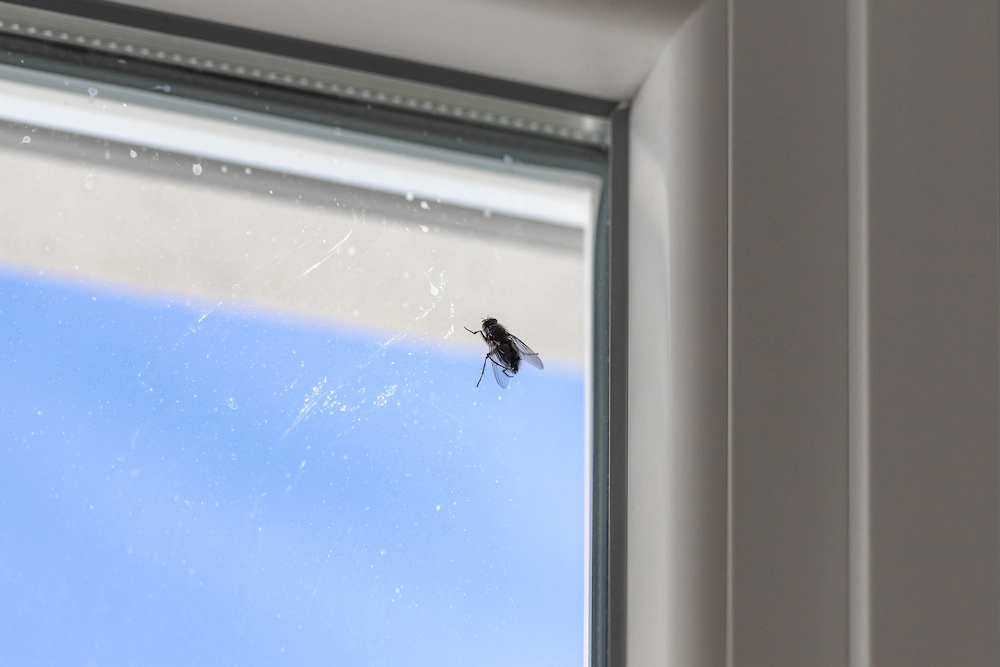
Few household pests are as annoying as flies. They seem to appear out of nowhere, buzz around living spaces, contaminate food, and multiply quickly when conditions are right. Understanding the worst flies that invade homes can help homeowners identify infestations early and take steps to prevent them from becoming a larger problem.
Different fly species are attracted to different conditions. Some seek out garbage and decaying materials, while others are drawn to moisture, drains, or food residue. Knowing what attracts each type is the first step toward effective prevention.
House Flies: The Most Familiar Indoor Invader
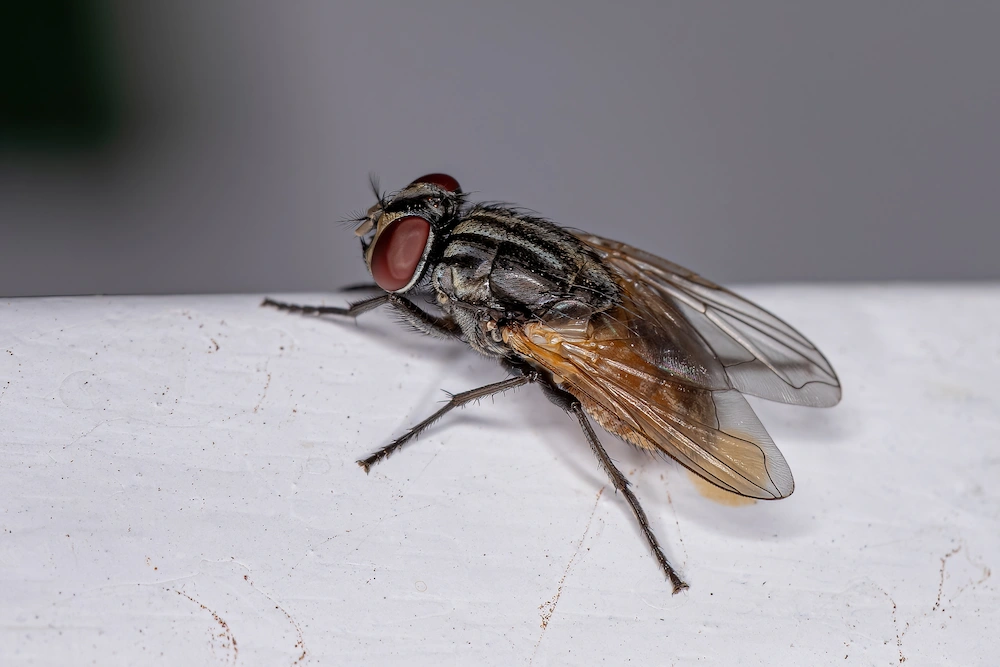
When people think about most common house flies, the standard house fly is usually what comes to mind. These gray flies are frequently found around kitchens, trash cans, pet areas, and outdoor garbage containers.
House flies feed on a variety of organic materials and can carry bacteria from unsanitary surfaces to food preparation areas. Because they reproduce rapidly, a small problem can quickly turn into a noticeable infestation.
Regular cleaning, proper food storage, and prompt trash removal are some of the best ways to discourage house flies from settling indoors.
Fruit Flies: Tiny Pests with Big Numbers
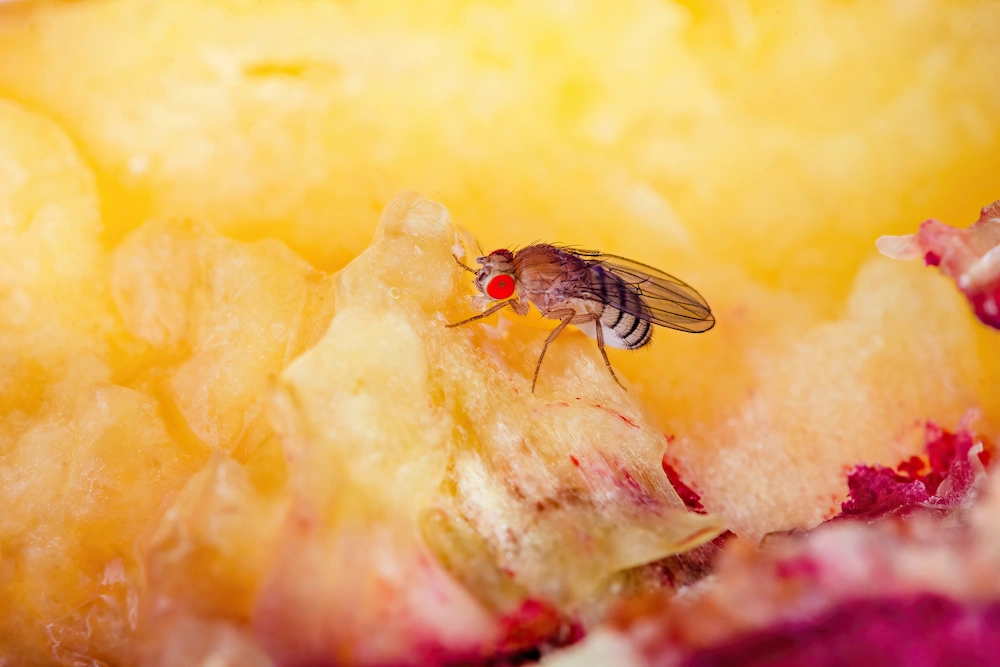
Fruit flies are among the most common types of flies in the home, especially in kitchens and pantries. These small flies are attracted to ripening fruit, sugary spills, fermented products, and food waste.
A fruit fly infestation often develops when overripe produce is left on countertops or when food residue accumulates in drains and garbage containers. Because they breed quickly, populations can grow dramatically within days.
Removing breeding sources is the most effective way to eliminate fruit flies. Simply killing visible adults rarely solves the underlying problem.
Drain Flies: The Moisture Lovers
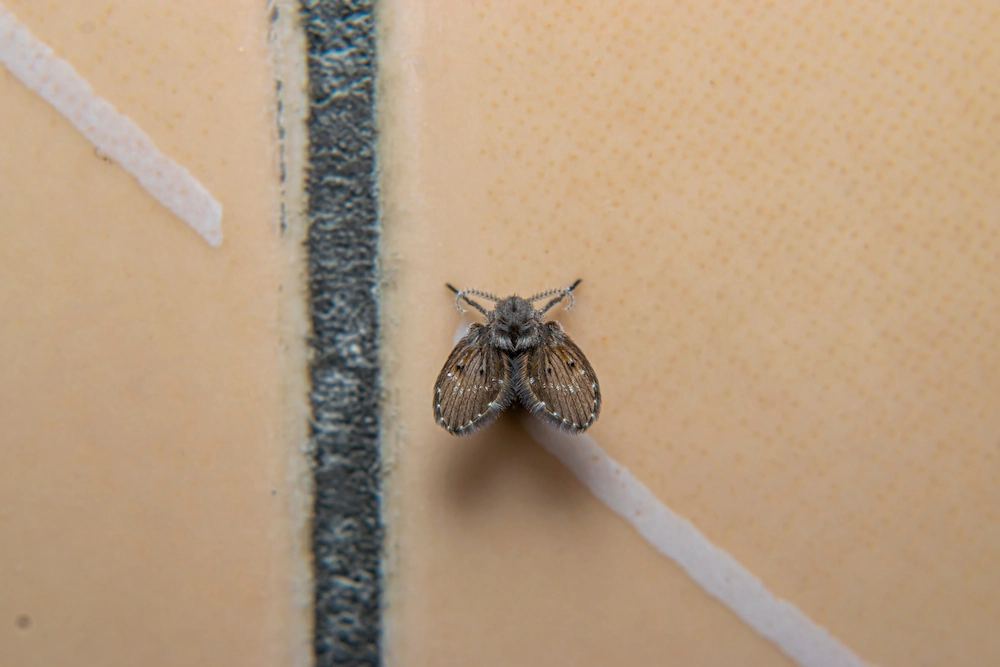
Drain flies, sometimes called moth flies, thrive in damp environments. They are commonly found near sinks, floor drains, utility rooms, basements, and other areas where moisture accumulates.
Unlike house flies, drain flies breed in the organic buildup that develops inside drain pipes. If you notice small fuzzy flies resting on walls near sinks or drains, this species may be responsible.
Regular drain cleaning and moisture control can significantly reduce drain fly activity and prevent future infestations.
Blow Flies: A Sign of a Bigger Problem
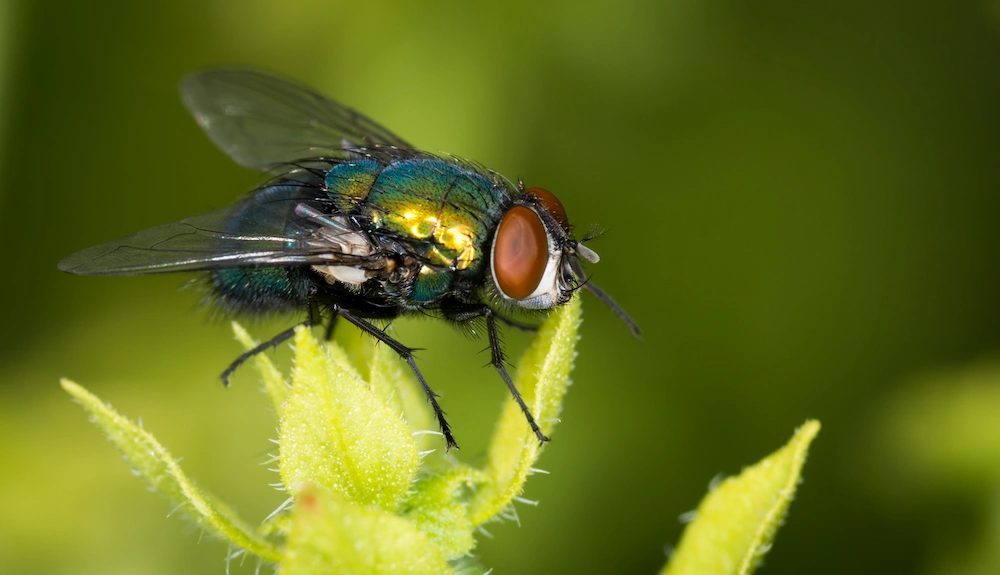
Blow flies are larger than house flies and often have metallic blue, green, or bronze coloring. They are attracted to decaying organic matter and are frequently associated with dead animals, garbage, or decomposing waste.
When blow flies suddenly appear indoors, it can indicate an underlying issue such as a dead rodent in a wall void, attic, crawl space, or chimney. Because of this, they should not be ignored.
Identifying and removing the source is critical to resolving blow fly infestations effectively.
Cluster Flies: Seasonal Home Invaders
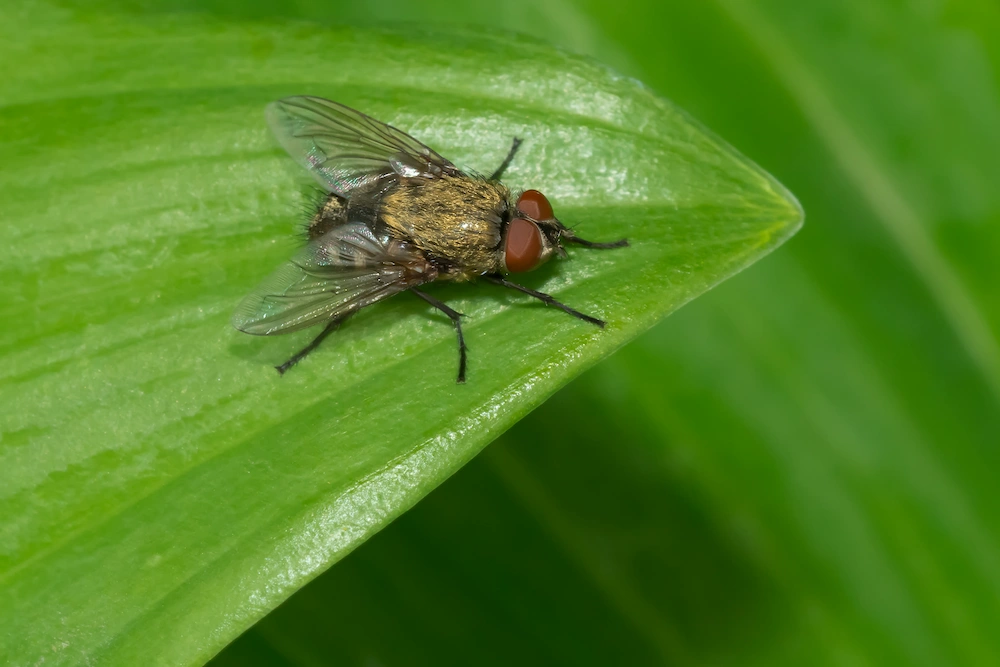
Cluster flies become a nuisance primarily during the fall and winter months. Unlike other fly species, they enter homes seeking shelter rather than food.
These flies often gather in attics, wall voids, and upper-level rooms where they remain inactive during colder weather. Homeowners may suddenly notice large numbers appearing around windows on warm winter days.
Sealing exterior entry points and addressing gaps around windows and siding can help reduce cluster fly activity indoors.
Common Causes of Fly Infestations
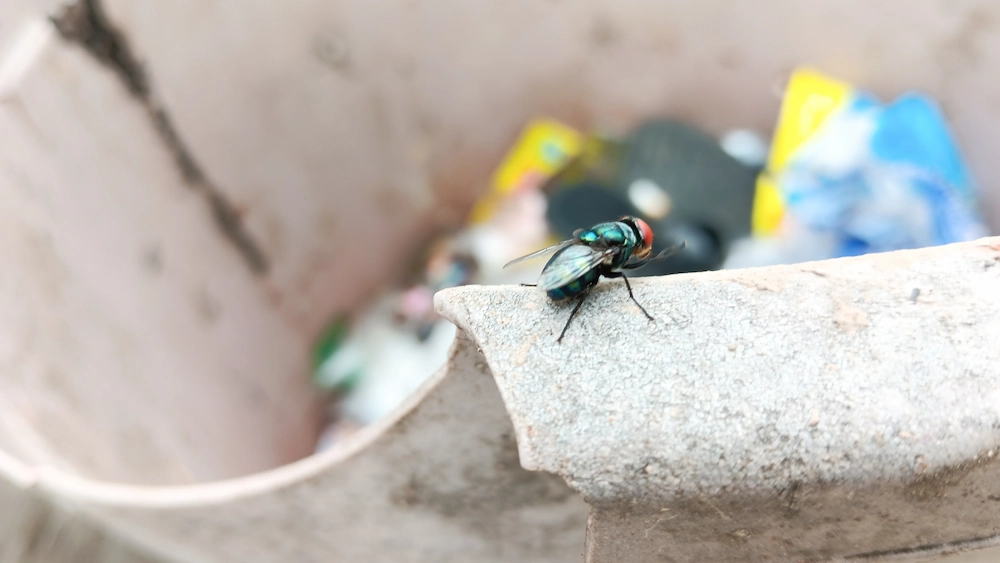
Many common fly infestations in homes develop because the conditions flies need for survival are readily available. Food, moisture, shelter, and breeding materials all contribute to fly activity.
Common attractants include:
- Uncovered trash and food waste
- Dirty drains and standing water
- Pet waste and litter boxes
- Overripe fruits and vegetables
- Dead animals in hidden areas
Eliminating these attractants can dramatically reduce the likelihood of an infestation.
How to Get Rid of Flies Indoors
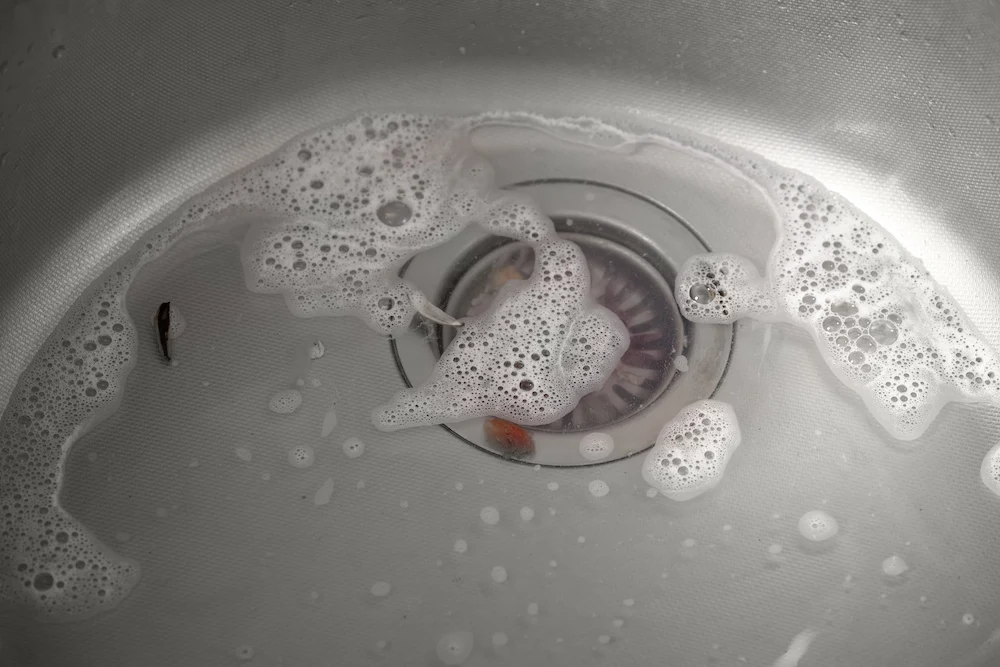
If you are wondering how to get rid of flies indoors, the most effective approach is identifying the species and removing the source that is attracting them.
Simply swatting flies addresses the symptom rather than the cause. Sanitation, moisture reduction, and exclusion measures are far more effective long-term solutions.
Cleaning drains, storing food properly, removing trash regularly, and repairing moisture issues are all important steps toward controlling indoor fly populations.
How to Prevent Flies From Entering Your House

Learning how to prevent flies from entering your house involves both exclusion and maintenance. Flies often enter through open doors, damaged screens, gaps around windows, and utility openings.
- Keep doors and windows closed when possible.
- Repair damaged screens promptly.
- Seal cracks and gaps around the exterior.
- Store food in sealed containers.
- Remove trash and organic waste regularly.
Consistent prevention measures help reduce the conditions that attract flies while limiting opportunities for them to enter.
When Professional Fly Control is Necessary
Occasional flies are normal, especially during warmer months. However, recurring infestations often indicate an underlying issue that requires closer inspection.
A pest control professional can identify the fly species involved, locate breeding sources, and recommend targeted treatments to eliminate the infestation. Addressing the source early helps prevent larger populations from developing and keeps your home more comfortable year-round. Contact us for a free quote on our targeted pest control services today!
Citations
11 types of flies – Fly identification. (2023, December 18). Do-It-Yourself Pest Control and Lawn Care. Retrieved June 19, 2026, from https://diypestcontrol.com/fly-table-summary.html?srsltid=AfmBOorLrawbuk1JMECSAm1_Ez04ljZuzbWEZTj0wh3BiqInpT0CFFzc
Spotted Lanternflies Are the Worst Garden Pests
Spotted Lanternflies Are the Worst Garden Pests Spotted Lanternflies Are the Worst Garden Pests Summary: Spotted lanternflies drain sap from trees and vines, [...]
How Clogged Gutters Lead to Pest Problems
How Clogged Gutters Lead to Pest Problems How Clogged Gutters Lead to Pest Problems Summary: Clogged gutters trap standing water and decomposing debris [...]
Wasps Are Busy in Early Fall: Here’s Why
Wasps Are Busy in Early Fall: Here’s Why Wasps Are Busy in Early Fall: Here’s Why Summary: Wasp colonies peak in size during [...]
Pests That Work in Teams: Why Social Pests Are Harder to Ignore
Pests That Work in Teams: Why Social Pests Are Harder to Ignore Pests That Work in Teams: Why Social Pests Are Harder to Ignore [...]
How to Prevent Flies Inside and Out: Make Your Home Less Attractive
How to Prevent Flies Inside and Out: Make Your Home Less Attractive How to Prevent Flies Inside and Out: Make Your Home Less Attractive [...]
5 Pests That Love Crawl Spaces and Why They Move In
5 Pests That Love Crawl Spaces and Why They Move In 5 Pests That Love Crawl Spaces and Why They Move In Summary: [...]