
What Attracts Wasps to Your Yard? Common Reasons They Keep Coming Back
What Attracts Wasps to Your Yard? Common Reasons They Keep Coming Back
Summary: Wasps are attracted to yards that provide food, water, and safe nesting sites. Learn how flowering plants, fruit trees, outdoor meals, and landscaping can encourage wasp activity and how to reduce the risk.
Wasps play an important role in the environment by helping control other insects and pollinating certain plants. However, when they begin building nests close to your home, they can become a safety concern, especially for families with children or anyone who is allergic to stings.
Many homeowners are surprised to learn that everyday landscaping choices can make a property more appealing to wasps. Understanding what attracts them is the first step toward reducing the chances of nests developing around your home.
If wasps have become a recurring problem, our wasp and hornet control services can help safely remove nests and prevent future activity.
Flowering Plants Provide a Reliable Food Source
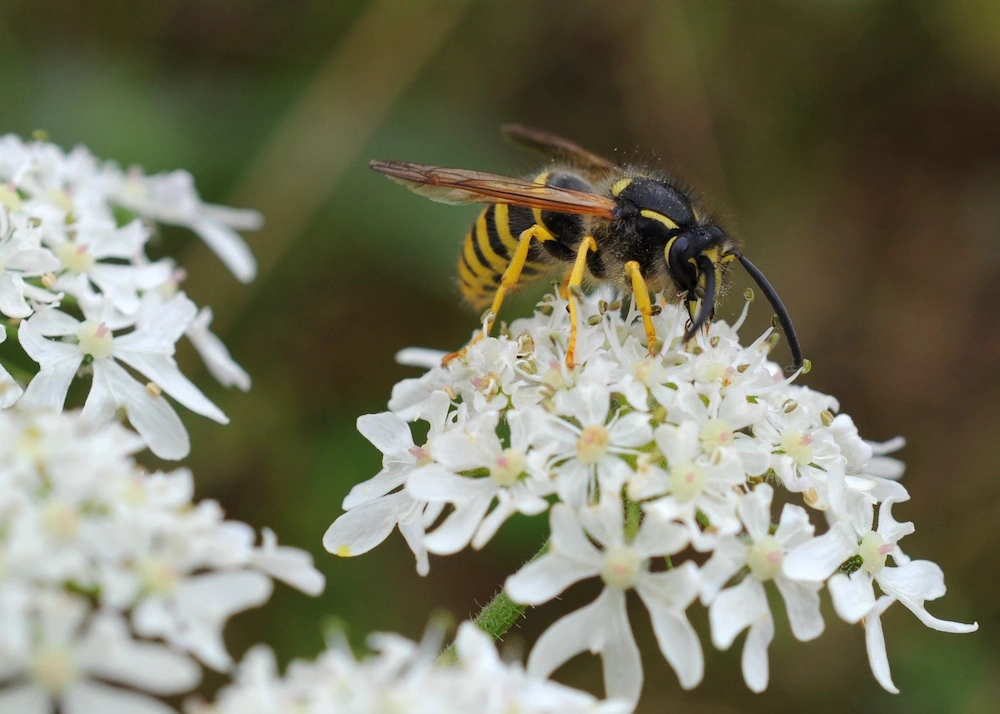
One of the biggest reasons wasps visit residential yards is the abundance of flowering plants. Adult wasps feed primarily on nectar, making gardens filled with blooming flowers an attractive destination throughout the spring and summer.
Not every flowering plant creates a wasp problem, but large concentrations of nectar-producing flowers encourage regular visits. Once wasps become familiar with a reliable food source, they often continue returning throughout the season.
Pollinator-Friendly Gardens Attract More Than Bees
Many homeowners intentionally plant flowers to support pollinators, which benefits the local ecosystem. While bees are often the primary visitors, wasps also take advantage of these nectar-rich plants.
This does not mean you should avoid planting flowers altogether. Instead, it’s important to monitor your yard regularly for developing nests, especially near patios, decks, and play areas.
Fruit Trees can Attract Hungry Wasps
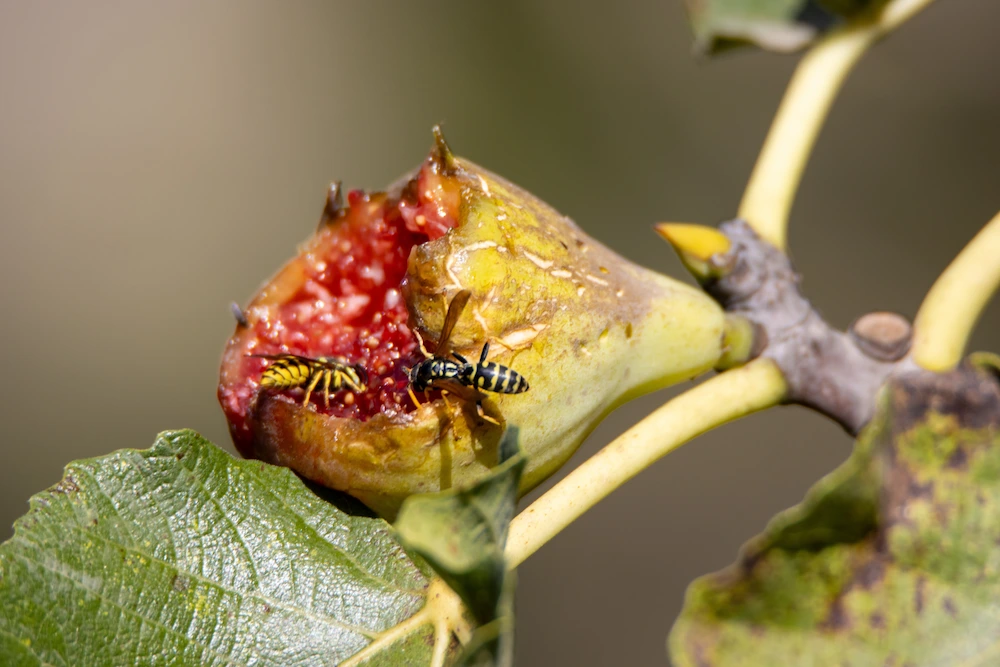
Fruit trees become especially attractive as fruit begins to ripen or fall to the ground. Sweet juices released by damaged or overripe fruit provide an easy meal for many wasp species.
Even a small amount of fallen fruit can attract large numbers of wasps during late summer, when natural food sources begin to decline.
Harvest Fruit Before it Spoils
Picking ripe fruit promptly and removing fallen fruit from the ground helps reduce the sugary food sources that encourage wasps to remain nearby.
Regular yard maintenance also helps prevent fermentation, which can make fruit even more attractive to foraging wasps.
Outdoor Food and Sugary Drinks Invite Wasps
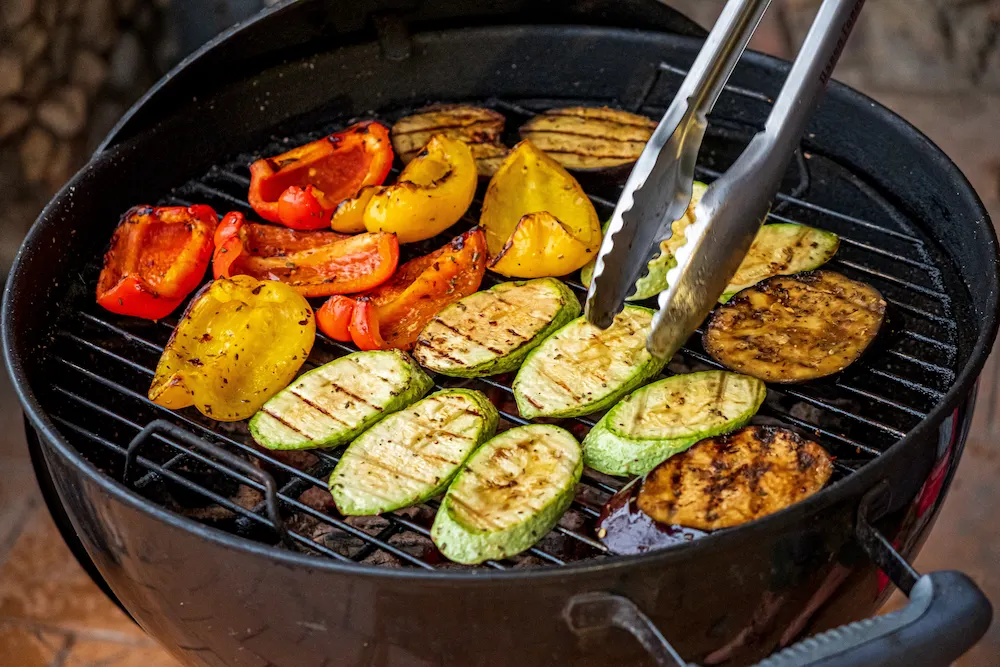
Backyard cookouts, family gatherings, and outdoor dining often provide everything wasps are looking for. Sweet beverages, grilled meats, fruit salads, and desserts all attract foraging workers searching for food to bring back to the colony.
Even empty soda cans or small spills can draw wasps within minutes during peak season.
Keep Outdoor Eating Areas Clean
- Wipe tables immediately after meals.
- Keep drink containers covered whenever possible.
- Clean grills after each use.
- Empty outdoor trash regularly.
- Rinse recycling containers before placing them outside.
Good sanitation significantly reduces the number of food sources available to wasps.
Standing Water Gives Wasps Another Reason to Stay
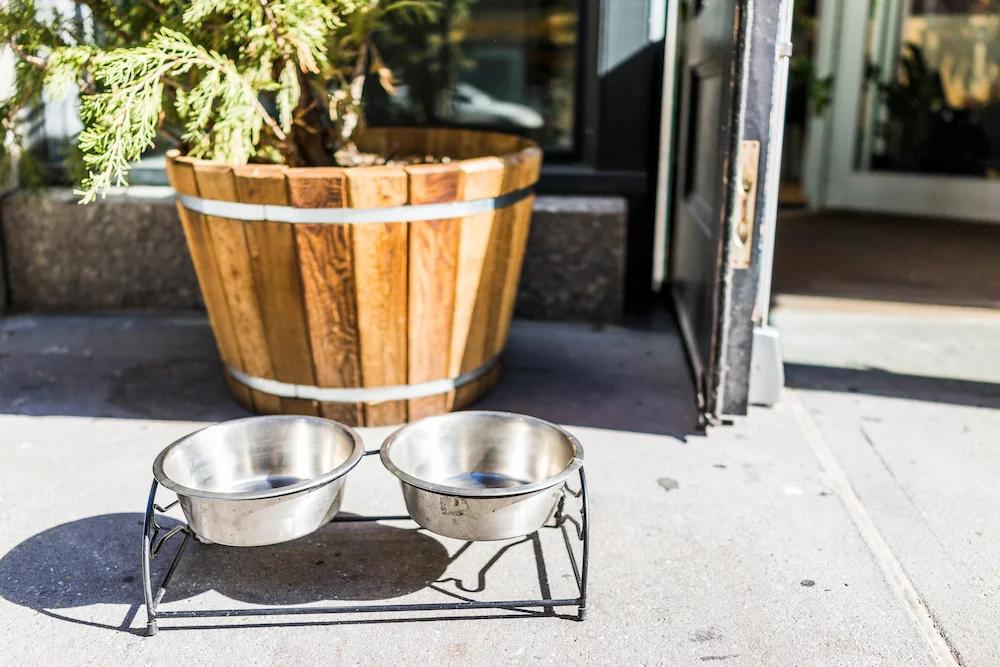
Like all living creatures, wasps need water. Birdbaths, pet bowls, clogged gutters, decorative fountains, and even puddles can provide enough moisture to support nearby colonies.
During periods of hot weather, water becomes just as valuable to wasps as food.
Changing birdbath water frequently, repairing drainage problems, and eliminating unnecessary standing water can make your yard less attractive.
Sheltered Nesting Locations Encourage Colonies
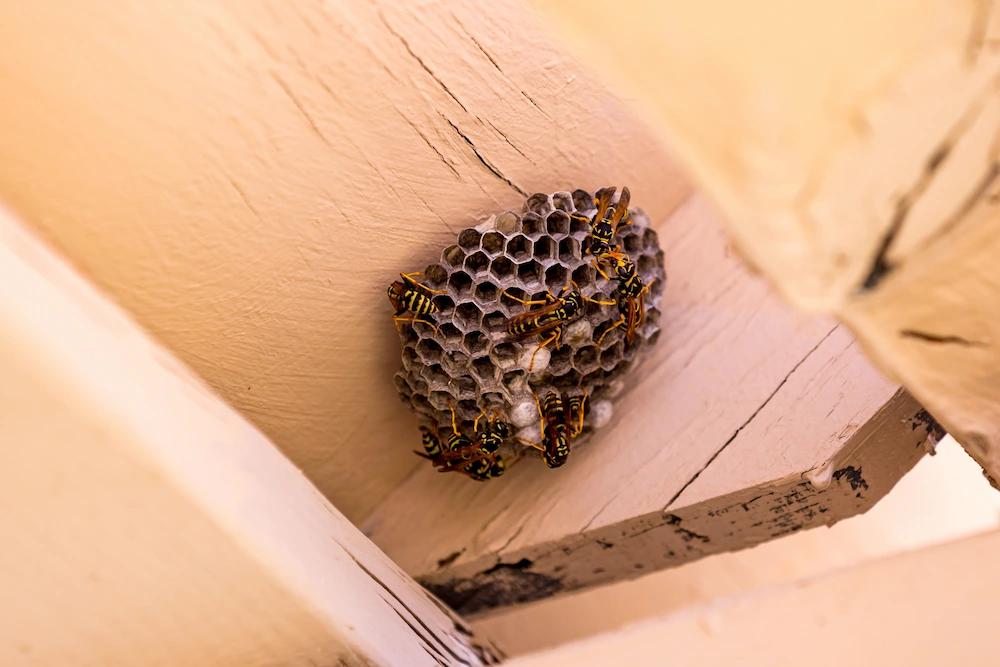
Food alone does not keep wasps around. They also need protected places to build nests where they are sheltered from weather and predators.
Eaves, porch ceilings, sheds, attics, fence posts, children’s play equipment, and dense shrubs are all common nesting locations around residential properties.
Inspect Your Property Regularly
Walk around your home every few weeks during spring and early summer to look for small developing nests. Catching a nest while it is still small is much easier than dealing with a mature colony later in the season.
Pay particular attention to areas that receive little foot traffic, since these locations are often left undisturbed long enough for colonies to grow.
Landscaping Habits Can Make a Difference
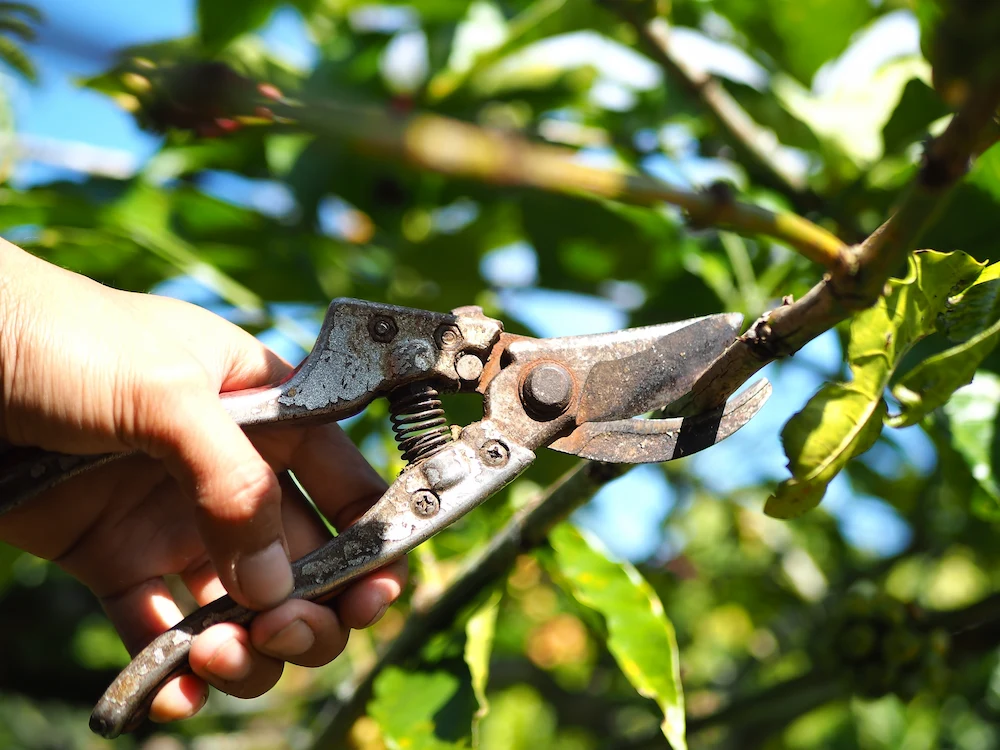
Well-maintained landscaping helps discourage wasps from settling near your home. Overgrown shrubs, unmanaged vegetation, and piles of yard debris provide both shelter and hunting grounds for insects that wasps feed on.
Keeping bushes trimmed, removing unnecessary brush piles, and maintaining open spaces around your home’s exterior can reduce attractive nesting opportunities.
Simple landscaping adjustments will not eliminate wasps entirely, but they can make your property less appealing compared to neighboring areas.
Professional Wasp Control Offers Safer Protection
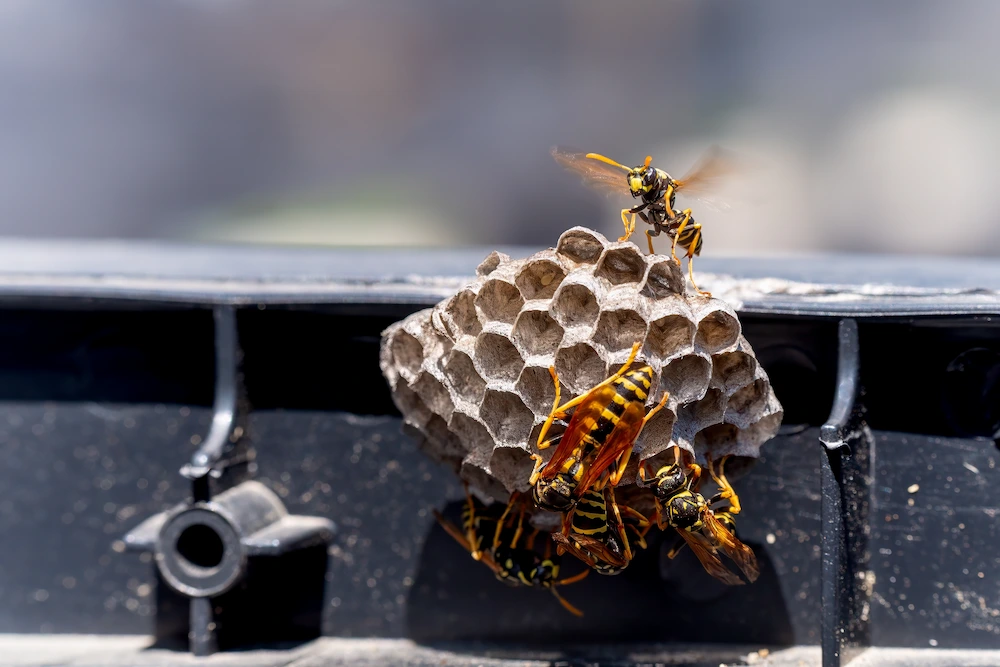
Attempting to remove an active wasp nest yourself can be dangerous, especially if the colony is large or located near entryways. Disturbing a nest may cause wasps to defend it aggressively.
Professional pest control technicians have the equipment and experience to safely remove nests while identifying conditions that may encourage future activity. They can also recommend preventive measures based on your property’s unique layout.
Homeowners in Northern Virginia can learn more about wasp control in Alexandria, VA and how professional treatments help keep outdoor spaces safer throughout wasp season. Contact us for a free quote on our reliable services today!
Citations
Hassani, N. (2026, June 28). 8 unexpected things that are attracting wasps to your yard (and how to get rid of them fast). The Spruce. Available at https://www.thespruce.com/what-attracts-wasps-11988985 (Accessed on July 20, 2026).
Pests That Overwinter in Walls and the Signs They Leave Behind
Pests That Overwinter in Walls and the Signs They Leave Behind Pests That Overwinter in Walls and the Signs They Leave Behind Summary: [...]
The Differences Between Web-Building and Hunting Spiders
The Differences Between Web-Building and Hunting Spiders The Differences Between Web-Building and Hunting Spiders Summary: Web-building spiders wait for prey to hit their [...]
Spotted Lanternflies Are the Worst Garden Pests
Spotted Lanternflies Are the Worst Garden Pests Spotted Lanternflies Are the Worst Garden Pests Summary: Spotted lanternflies drain sap from trees and vines, [...]
How Clogged Gutters Lead to Pest Problems
How Clogged Gutters Lead to Pest Problems How Clogged Gutters Lead to Pest Problems Summary: Clogged gutters trap standing water and decomposing debris [...]
Wasps Are Busy in Early Fall: Here’s Why
Wasps Are Busy in Early Fall: Here’s Why Wasps Are Busy in Early Fall: Here’s Why Summary: Wasp colonies peak in size during [...]
Pests That Work in Teams: Why Social Pests Are Harder to Ignore
Pests That Work in Teams: Why Social Pests Are Harder to Ignore Pests That Work in Teams: Why Social Pests Are Harder to Ignore [...]