
5 Pests That Love High Entry Points
5 Pests That Love High Entry Points
Summary: Pest entry points must be addressed for effective prevention. This blog explains the abilities of the 5 pests that love high entry points and the best ways to prevent these pest invasions.
An entry point is the vulnerable spot in a house or building where pests invade. It can be as small as a crack in the door’s weatherstripping or as large as a broken attic vent. An essential step of prevention is sealing all home entry points for pests. After all, how can you ensure pests will stay out if you’re not keeping them out?
Low entry points, like foundation cracks, are often referenced in pest prevention advice. What about the high points? Even pests that can’t fly are still able to infiltrate houses through elevated entry points! So, let’s see how these 5 pests invade high entry points before we give our best tips on preventing them.
Ants
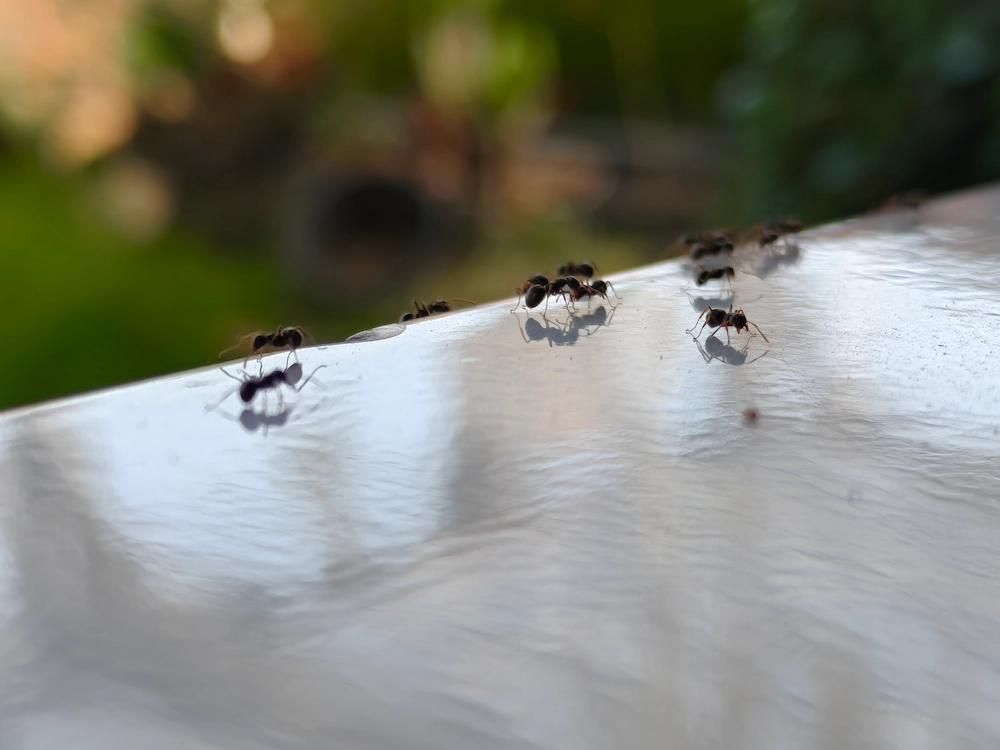
Ants are one of the most infamous non-flying pests, but they still manage to sneak through high entry points. Pavement ants are particularly notorious for this. Their workers crawl on overhanging tree branches and exterior fixtures to the house, where they search for safe food and water sources.
Decaying wood, loose caulk, and cracked weatherstripping make it easy for ants to invade. Expansion joints and HVAC and utility openings can also allow them entry. Once inside, ants prefer to live in wall voids near pipes and appliances. These spaces allow them to hide from us but stay close to their necessities.
Cluster Flies
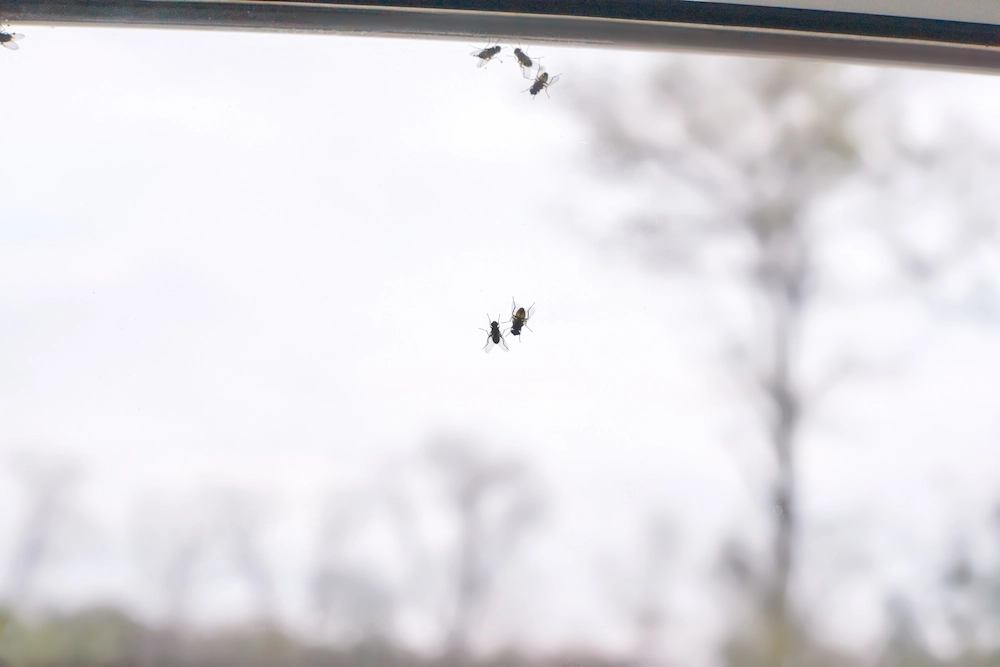
These flies are a little bigger and slower than house flies, and they are most known for their tendency to gather in groups. Cluster flies invade houses in the fall to overwinter, then try to leave as soon as it warms up in the spring. They’re not a health risk, but it’s still frustrating to find a horde of flies in the house!
Although cluster flies lay multiple generations of eggs in soil every year, they want to take shelter indoors. They often group together in wall voids and attics after invading through vents, windows, or utility line openings. If you see flies huddling together with their rested wings overlapping, you’re seeing cluster flies.
Rodents
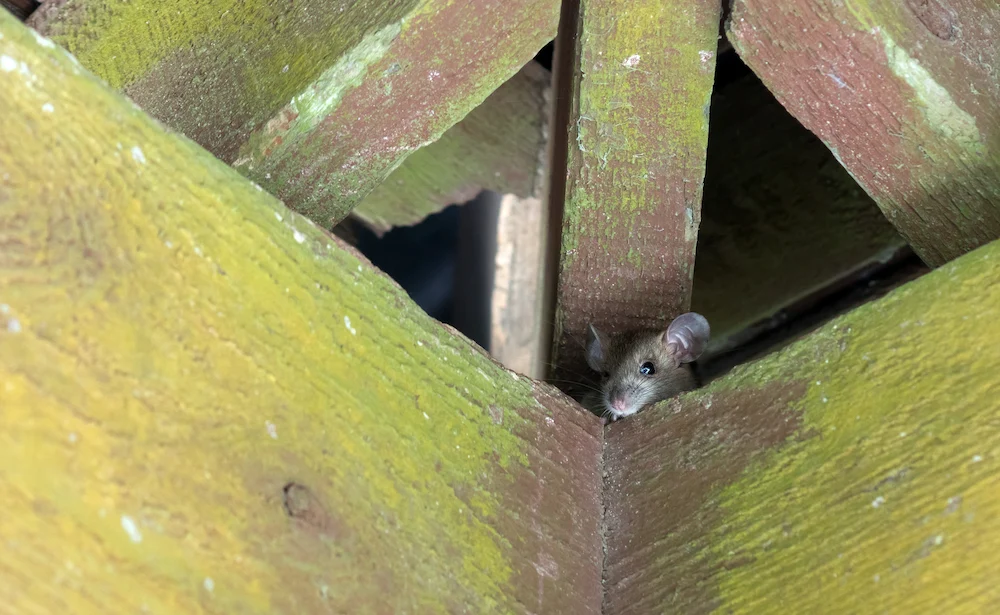
Since rats and mice are excellent climbers, they actually favor high entry points. These allow them to enter isolated spaces, and all they need is a gap the size of a dime (for mice) or a quarter (for rats). Specifically, roof rats and house mice use tree branches and pipes to access the chimney, crawl space, attic, or garage.
Once they’re inside, rodents use soft materials, like fabric and insulation, to create their messy nests in these hidden spaces. They chew through everything since they need to keep their teeth filed down, and this quickly turns into a hazard when their chosen chew toy is electrical wiring.
Spiders
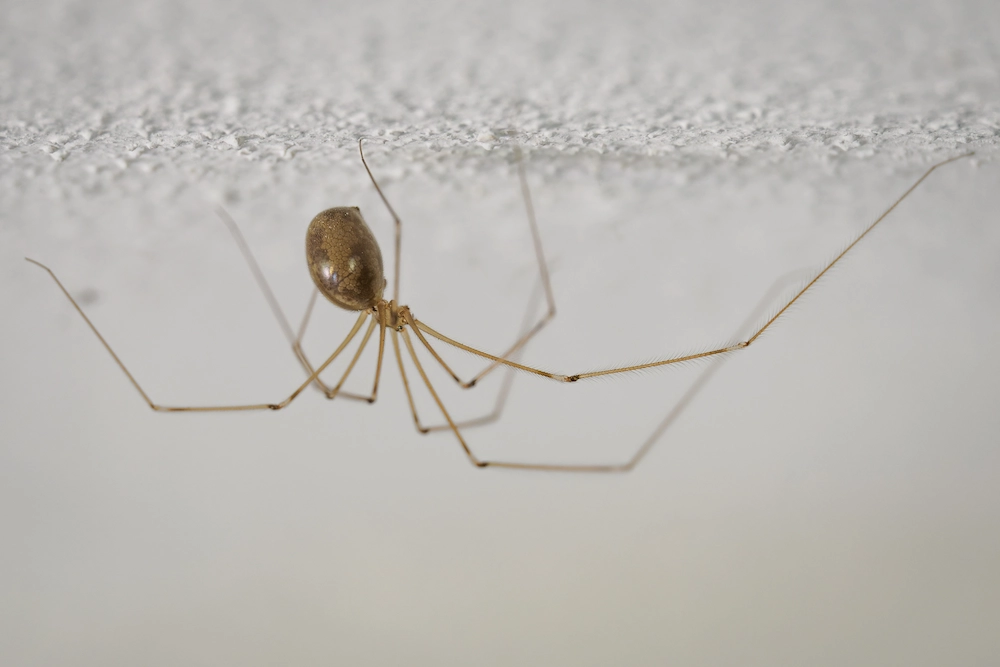
Unfortunately, any small crack or gap is an open invitation to spiders. Their scaling skills prove useful when they want to slip through an elevated opening to access an isolated hiding spot. Doors, windows, vents, utility penetrations, and loose weatherstripping are their usual entry points, especially in the chilly fall.
There’s a reason why spiders are spotted on ceilings, and it’s not because they enjoy a challenge. Spiders have setae, which are tiny hairy structures on their feet that act as adhesives due to molecular attraction. Setae can support the spider’s bodyweight, allowing them to climb walls and flat surfaces.
Termites
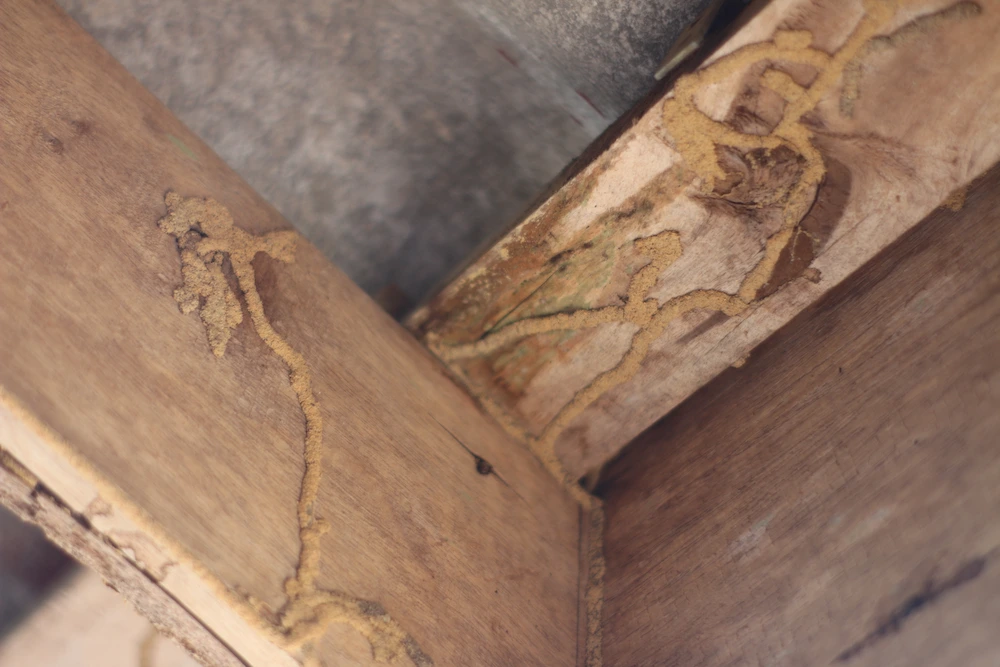
Once termite swarmers find an appealing nest location, they don’t waste time starting their new colony. They’re only half an inch long, so winged termites easily slip through small holes, loose shingles, damaged soffits, and cracked vents. These unsuspecting openings allow them to infest a home undetected.
Termites work quickly and favor damaged natural wood. They eat cellulose to create galleries in wooden ceiling beams, rafters, and boards. If you see elevated termite damage, like the ceiling sagging or cracking, contact Green to schedule an immediate inspection and receive your personalized treatment plan.
How to Prevent Pests at Every Level
It’s imperative to address pest attractants and entry points to achieve effective pest prevention. In other words, you need to eliminate the items bringing them to your house and the vulnerabilities inviting them inside.
The most efficient ways to eliminate high pest entry points and attractants are:
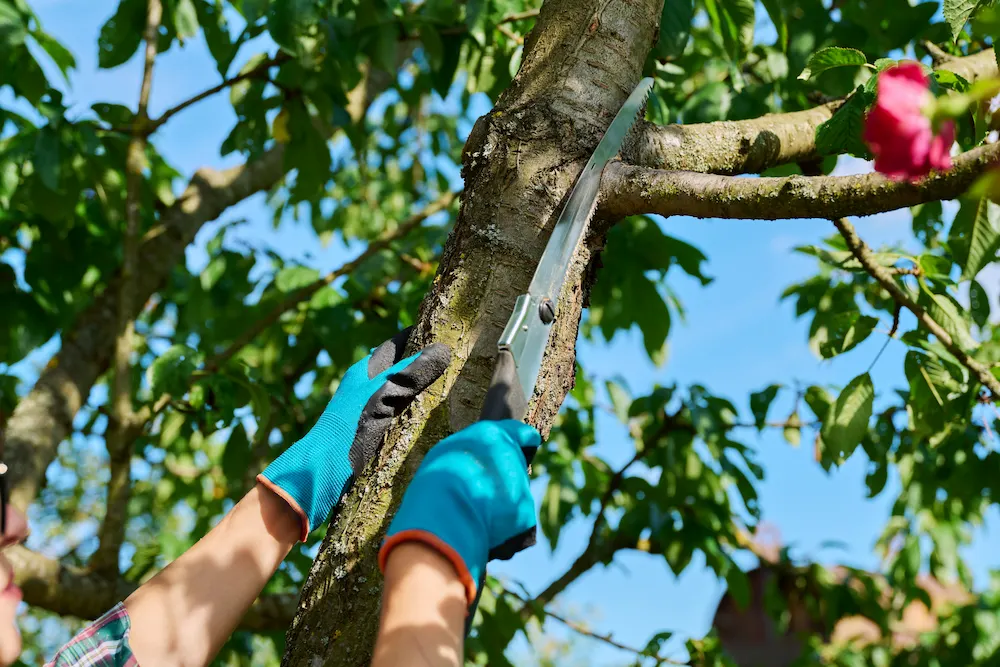
- Trim overgrowth — Prune shrubs and plants back at least one foot from the house. If there are tree branches hanging over the roof or touching the house, get them trimmed by a professional or (carefully!) trim them yourself.
- Complete necessary house repairs — Making house repairs not only saves you money and stress long-term, it also eliminates pest entry points. These include loose shingles, torn screens, and rotted decking.
- Use wire mesh on vents — Exterior vents are one of the most common rodent entry points. If your exterior vents and roof openings don’t already have it, fit them with rust-proof wire mesh.
- Control the trash situation — Garbage is a favorite food source among many household pests. Use strong trash bags and lidded trash cans indoors, and keep the lids to the outdoor garbage cans closed outdoors.
- Seal all exterior imperfections — A great habit for homeowners is regularly inspecting the house’s exterior for new imperfections. Cracks and small holes should be lined with caulk, and larger holes can be filled with copper mesh.
- Get a property inspection — There’s no harm in scheduling a home inspection, especially if you think there’s hidden damage. If your inspector finds that the reason for the damage is a pest invasion, pest control is essential.
Green Treats High and Low for Pest Activity

As frustrating as pest issues can be, there is a certain peace that comes with knowing Green Pest Services is always here to help! Our licensed technicians take the time to assess the situation by inspecting the property and determining the most efficient treatments for the specific pest issues at hand.
Whether you have pests crawling through an attic vent or sneaking through a ripped window screen, we have the effective pest solutions and exclusions that will protect your home for the long run. Don’t let pests take over the house this fall. Contact us for a free quote on our reliable pest control services today!
Citations
Cluster or attic fly facts & information. (n.d.). Orkin. Retrieved September 23, 2026, from https://www.orkin.com/pests/flies/cluster-flies
Common attic bugs, insects, & pests. (n.d.). Pest World. Retrieved September 23, 2026, from https://www.pestworld.org/pest-in-the-house/attic/
Common roofing issues — Insect infestation within roof structure. (n.d.). LOA Roofing Construction. Retrieved September 23, 2026, from https://www.loaconstruction.com/austin/common-issues/insect-infestation-within-roof-structure/
5 Pest That Love High Entry Points
5 Pests That Love High Entry Points 5 Pests That Love High Entry Points Summary: Pest entry points must be addressed for effective [...]
Pests That Overwinter in Walls and the Signs They Leave Behind
Pests That Overwinter in Walls and the Signs They Leave Behind Pests That Overwinter in Walls and the Signs They Leave Behind Summary: [...]
The Differences Between Web-Building and Hunting Spiders
The Differences Between Web-Building and Hunting Spiders The Differences Between Web-Building and Hunting Spiders Summary: Web-building spiders wait for prey to hit their [...]
Spotted Lanternflies Are the Worst Garden Pests
Spotted Lanternflies Are the Worst Garden Pests Spotted Lanternflies Are the Worst Garden Pests Summary: Spotted lanternflies drain sap from trees and vines, [...]
How Clogged Gutters Lead to Pest Problems
How Clogged Gutters Lead to Pest Problems How Clogged Gutters Lead to Pest Problems Summary: Clogged gutters trap standing water and decomposing debris [...]
Wasps Are Busy in Early Fall: Here’s Why
Wasps Are Busy in Early Fall: Here’s Why Wasps Are Busy in Early Fall: Here’s Why Summary: Wasp colonies peak in size during [...]