
Odor is an Early Sign of Rodents, Here’s Why
Odor is an Early Sign of Rodents, Here’s Why
Summary: Rodent odors are often caused by urine, droppings, nests, and scent trails, and they can be the first clue of a hidden infestation. This guide explains what the smells can indicate, where odors collect, and what to do next.
If you’ve noticed a weird, stale smell that seems to come and go, you’re not imagining it. In a lot of homes, odor is one of the first clues that mice or rats have moved in, especially when the activity is tucked away behind drywall or above the ceiling.
That’s why rodent odor signs matter. Before you ever spot a mouse, you might smell one, and catching that change early can help you avoid a bigger, messier infestation. If you want a pro to confirm what’s going on, start with our rodent control services and we’ll help you pin down the cause.
Why Rodents Create a Smell So Quickly
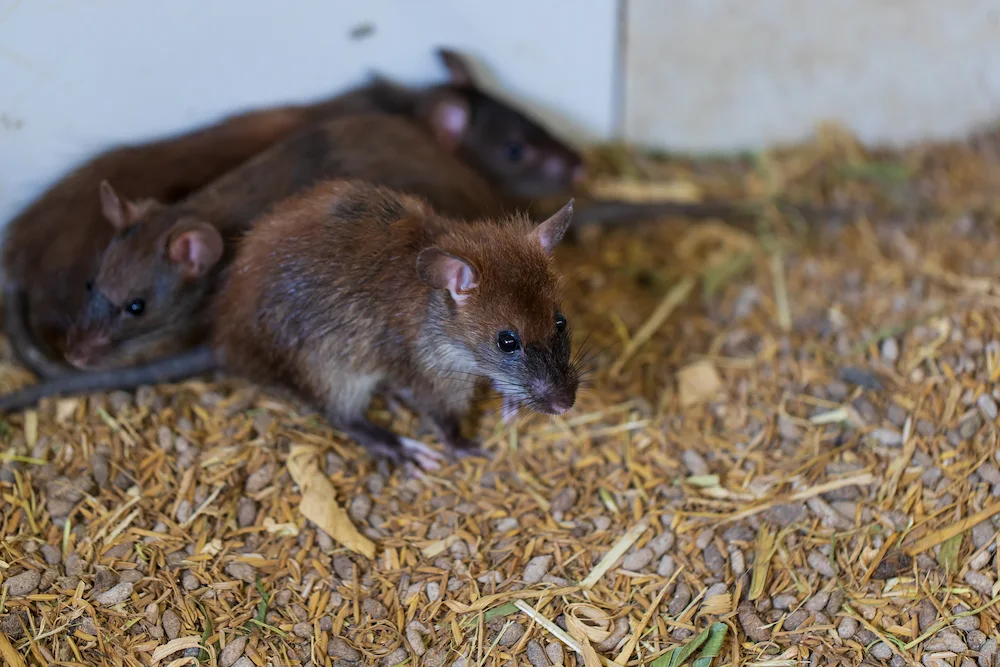
Rodents are small, but they’re not subtle. Even a couple of mice can produce enough urine and droppings to create noticeable odor, especially in tight, poorly ventilated spaces like wall voids, crawl spaces, and attics.
The most common source is urine. As urine dries, it concentrates into a sharp, ammonia-like smell. That odor can soak into insulation, cardboard, and unfinished wood, which is why it can linger even after the rodents are gone.
It’s Not Just Urine and Droppings
Rodents also build nests out of soft materials like insulation, paper, fabric, and stuffing. Over time, those nesting spots hold oils, dander, and waste. Add a little humidity, and the smell gets stronger fast.
Rats can be even more noticeable because they tend to travel the same routes repeatedly. Their bodies leave behind grease, dirt, and scent trails, which can create a musty “animal” odor near baseboards, behind appliances, and along attic beams.
What Rodent Odor Means in Your Home
A smell doesn’t automatically tell you the exact pest, but it does give helpful clues. Homeowners often describe a rodent infestation smell as musky, sour, or like old ammonia, and it may be strongest in the morning or after the house has been closed up all day.
If you’re trying to interpret what rodent odor means, pay attention to where it’s strongest and how it changes over time. Odors that come back after cleaning are especially suspicious.
Common smells and what they can indicate:
- Ammonia or sharp urine smell: active mice or rats nearby, often in a wall, attic, or crawl space
- Musty, “hamster cage” smell: nesting materials holding waste and moisture
- Rotten, sickly odor: possible dead rodent in a wall void or under insulation
- Oily or stale odor near edges of rooms: repeat travel paths and rubbing along surfaces
These clues often show up before other early signs of rodents, which is why it’s worth taking “mystery smells” seriously when they do not match food, plumbing, or trash.
Why Odor Often Points to a Hidden Infestation
Rodents prefer to stay out of sight. They follow edges, move at night, and nest in places we rarely check. So when odor is the main symptom, it’s often a hidden rodent infestation that’s growing quietly.
One reason smells show up early is that wall voids and attic spaces trap odor. Your home’s airflow can also move scent into surprising areas, like a hallway that shares a wall with a nesting site.
Where Odor Tends to Build Up
Rodent smells usually get stronger in low-airflow, cluttered, or damp areas. We often trace odor sources to attics over bedrooms, crawl spaces, basement drop ceilings, behind kitchen appliances, inside cabinets, or in garages and storage rooms where boxes sit for months.
If the smell seems to show up in multiple rooms, that can happen too. Rodents do not stay in one spot. They travel for food and water, and their scent trails can spread.
How to Confirm the Smell of Rats or Mice
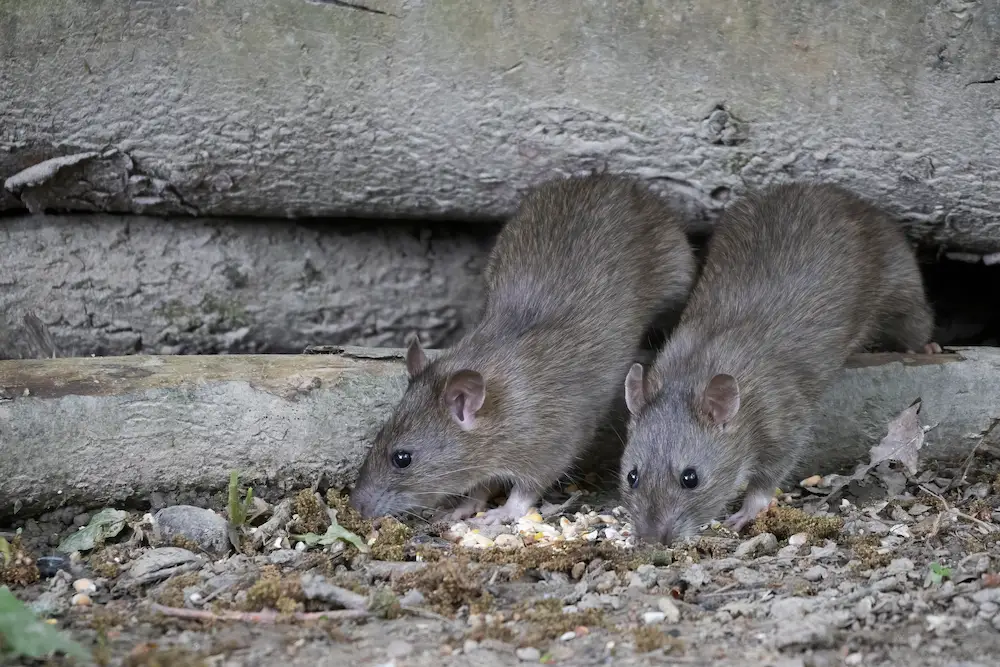
The smell of rats or mice is only one clue. Before you assume the worst, do a quick, calm inspection with a flashlight. Look along edges of rooms, behind appliances, and near stored items.
Odor paired with droppings, gnaw marks, nighttime scratching, greasy rub marks, or a pet that fixates on one cabinet or wall usually points to active rodents. If you’re seeing more than one sign, it’s time to act sooner rather than later.
What to Do Next If You Suspect Rodents
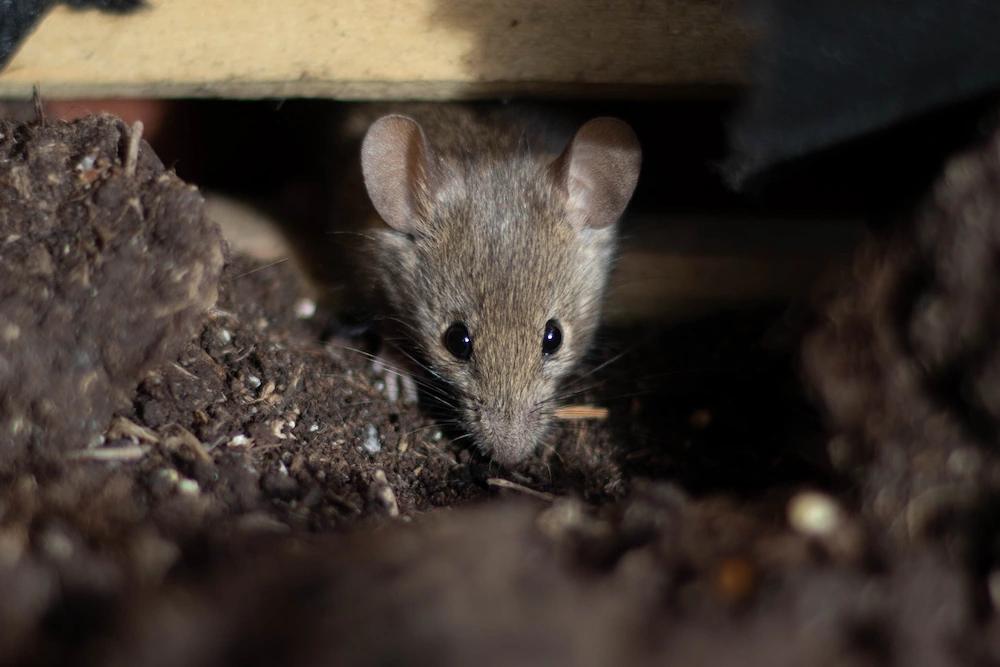
When odor shows up, the goal is to confirm the source and cut off the rodent’s access. Cleaning helps with hygiene, but it won’t solve an active problem. The more important step is finding how they’re getting in and where they’re nesting.
Here are a few smart steps you can take right away:
- Stop feeding them: move pantry items into airtight containers and clean crumbs under appliances
- Reduce hiding spots: declutter storage areas and keep cardboard off the floor
- Check entry points: look for gaps around pipes, garage doors, and siding edges
- Lower moisture: run fans or a dehumidifier in damp spaces to reduce odor buildup
- Document what you find: photos of droppings, rub marks, and gaps help speed up a professional inspection
If you’re in Northern Virginia and want local help, our team can inspect, identify the source, and build a plan that fits your home. Homeowners looking for rodent control in Alexandria, VA can also reach out for targeted service and prevention.
When to Call a Professional for Odor-Based Rodent Concerns

If the smell keeps returning, gets stronger, or seems to come from inside a wall, it’s time to call in a licensed pest control team. Odor can indicate nesting, repeated travel paths, or a dead rodent, and each situation needs a different approach.
Professional service also matters because rodent issues often involve more than the animals you see. A thorough inspection can uncover entry points you would never notice, like gaps behind downspouts, loose siding corners, or openings around utility penetrations.
A Quick Recap
Odor is often an early warning sign because rodents produce concentrated waste, build nests in hidden areas, and travel the same routes over and over. If you’re noticing ongoing smells and suspect activity, it’s better to investigate now than to wait for the problem to become obvious.
Green Pest Services is here to help you get answers and a clear plan. If you suspect rodents are in your home, contact our team for an inspection and treatment options that protect your space and help prevent future issues. It’s much easier to keep your home smelling fresh when there isn’t a hidden rodent family ruining everything!
Citations
Getting rid of that rodent smell. (n.d.). Pointe Pest Control. Retrieved January 19, 2026, from https://pointepest.com/getting-rid-rodent-smell/
Enjoy a Pest-Free Year With These 10 Easy Steps
Enjoy a Pest-Free Year With These 10 Easy Steps Enjoy a Pest-Free Year With These 10 Easy Steps Summary: A practical guide to keeping a [...]
How Do Pests Contaminate Food?
How Do Pests Contaminate Food? How Do Pests Contaminate Food? Summary: A practical homeowner guide explaining how pests contaminate food through contact, saliva, [...]
The Clear Signs of Bed Bugs in Every Setting
The Clear Signs of Bed Bugs in Every Setting The Clear Signs of Bed Bugs in Every Setting Summary: A setting-by-setting guide to [...]
Odor is an Early Sign of Rodents, Here’s Why
Odor is an Early Sign of Rodents, Here’s Why Odor is an Early Sign of Rodents, Here’s Why Summary: Rodent odors are often [...]
Pest Prevention Tips for Snowy Days
Pest Prevention Tips for Snowy Days Pest Prevention Tips for Snowy Days Summary: Snowy weather pushes pests to seek warmth and shelter indoors, [...]
How Do Ants Spend Winter? What Homeowners Should Know About Ants in Winter
How Do Ants Spend Winter? What Homeowners Should Know About Ants in Winter How Do Ants Spend Winter? What Homeowners Should Know About Ants in [...]