
Service Area
Comprehensive Pest Inspections
Thorough assessments to identify existing infestations and potential vulnerabilities.
Targeted Treatments
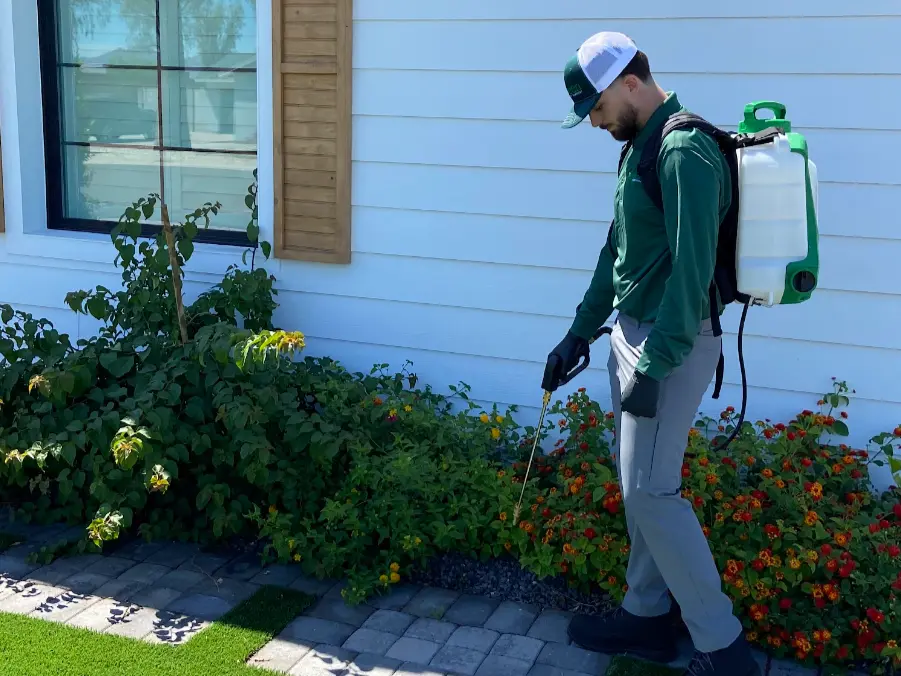
Safe and effective treatments for common household pests, including ants, spiders, rodents, and more.
Preventative Measures
Proactive strategies to keep pests from returning, ensuring long-term protection.
Frequently Asked Questions for Exterminator
While DIY pest control methods may seem appealing, they often fall short in providing long-term solutions. When you call an exterminator, you gain access to:
Expert knowledge: Professionals understand pest behavior and biology, enabling them to implement effective treatments.
Safe and effective treatments: Access to professional-grade products and techniques designed to be safe for your family and pets.
Long-term solutions: Preventative measures that help stop pests from returning.
Often, the terms “pest control” and “pest exterminator” are used interchangeably, but there are subtle differences.
Pest control is a broad term that includes prevention, exclusion, monitoring, and population management strategies.
Pest exterminators typically focus on eradication. They specialize in eliminating active infestations using targeted treatments.
Common responsibilities include:
- Inspection and identification: Determining the type and severity of the infestation.
- Treatment: Applying chemical or non-chemical solutions to eliminate pests.
- Prevention: Providing recommendations and implementing measures to prevent future infestations.
In essence, exterminators are a specialized subset of pest control professionals focused on eliminating existing pest problems.
Professional exterminators treat a wide range of pests including ants, rodents, spiders, cockroaches, wasps, mosquitoes, bed bugs, and other common household invaders. Services are tailored based on the pest type and severity of the infestation.
A technician performs a thorough inspection of your property to identify active infestations, entry points, nesting areas, and conditions that attract pests. This assessment helps determine the most effective treatment plan.
Yes. Treatments are applied using approved products and methods designed to minimize risk while effectively controlling pests. Technicians may provide simple safety instructions, such as allowing treated areas to dry before reentry.
Response times vary by provider and season, but many exterminators can schedule service within 24–48 hours. Prompt treatment helps prevent infestations from spreading.
Yes. Preventative services focus on sealing entry points, applying protective barriers, and monitoring pest activity to reduce the risk of future infestations.
You may be asked to clear clutter, secure food items, vacuum affected areas, or keep pets away from treatment zones. Preparation helps ensure treatments are effective and efficient.
Most treatments take between 30 minutes and two hours, depending on the size of the property and severity of the infestation. Larger or more complex issues may require additional time.
Some pest problems, such as bed bugs or rodents, may require multiple visits to ensure complete elimination. Follow-up services help confirm the infestation is fully resolved.
Maintain cleanliness, seal cracks and gaps, eliminate moisture sources, store food properly, and schedule routine inspections. Preventative steps combined with ongoing service provide long-term protection.
Yes. Exterminators offer pest management solutions for residential properties and commercial facilities, helping protect health, property, and reputation.
Service areas vary by company but often include surrounding cities and communities within a region. Local providers understand regional pest pressures and tailor treatments accordingly.
Professional services combine thorough inspections, targeted treatments, and preventative strategies. This comprehensive approach eliminates existing pests while reducing the likelihood of future infestations.