
Termites Are Awful Winter Pests – Here’s Why
Termites Are Awful Winter Pests – Here’s Why
Summary: Termites can remain active through winter by staying protected in soil and heated structures. This post explains why winter damage is often hidden, what to watch for, and how to reduce risk with moisture control and timely inspections.
Winter feels like the “off season” for bugs. We see fewer ants, fewer mosquitoes, and fewer obvious pests that show up when it’s warm outside. But termites do not follow the same rules. In fact, winter termite activity can be one of the most frustrating surprises for homeowners because the damage is often hidden until it becomes expensive.
If you have wood in your home, you have something termites want. And when cold weather pushes them to stay protected and comfortable, your walls, floors, and framing can become the perfect shelter for a colony that keeps eating while you’re focused on staying cozy.
Why Termites Don’t “Hibernate” Like Other Pests
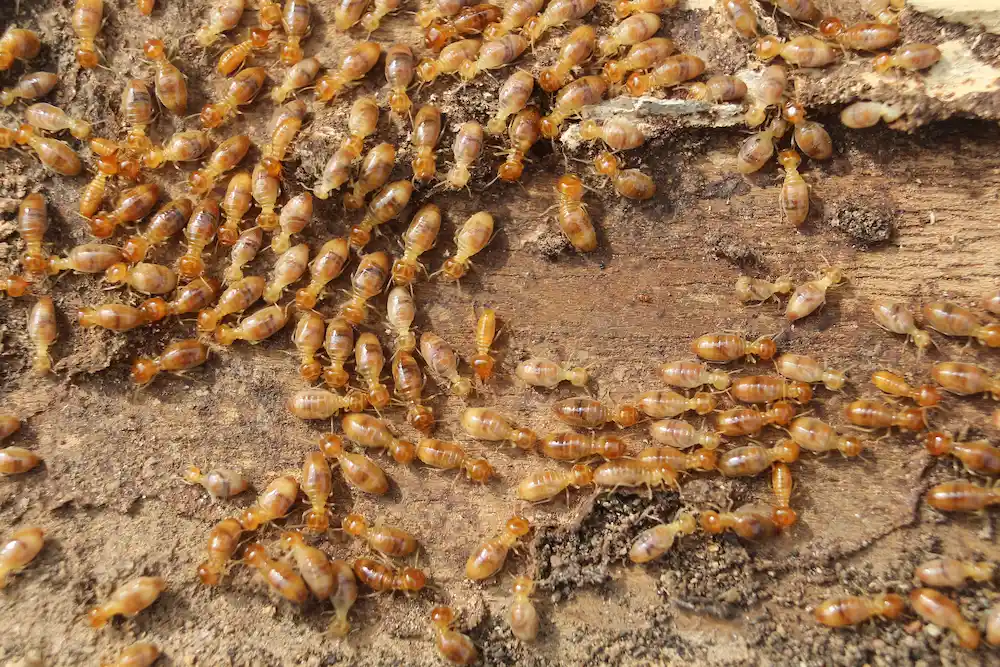
Most people assume pests disappear in cold weather. Many insects slow down dramatically, and some go dormant. Termites are different because their colonies are built around one main goal: stable temperature and moisture, 24/7.
That’s why you may hear homeowners ask, “Are termites active in winter?” The answer is often yes, especially for subterranean termites. Instead of being out in the open, they move through protected tunnels in soil and in the hidden voids of a building, where temperature changes are less extreme.
How Termites Survive Cold Weather
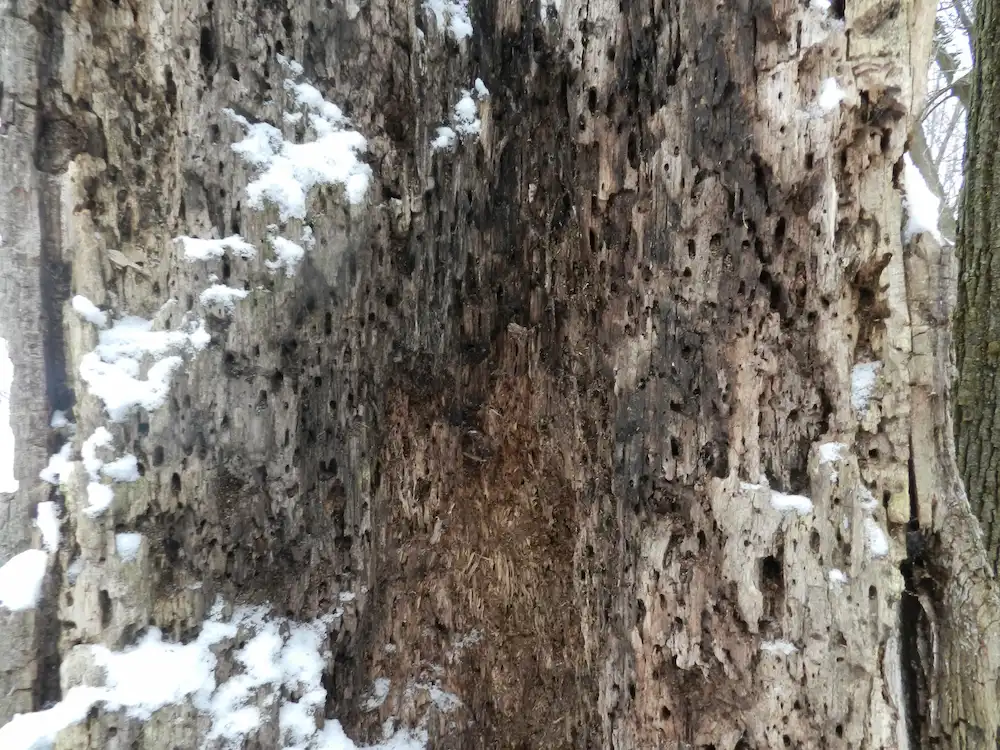
Termites do not handle freezing temperatures well in the open. They survive by avoiding exposure, staying below the frost line in soil or inside protected parts of a structure. Subterranean termites build mud tubes and sheltered travel routes that help them move while staying insulated and humid.
This is also why it can feel like termites “appear” in winter. They may have been nearby all along, but once they find a path into a heated home, they have a steady environment. When that happens, it’s common for termites to stay active indoors even when everything outside looks quiet.
The Warm Spots Termites Love Most
Your house has pockets of warmth and moisture, even in January. These areas stay more stable than the rest of the home, which makes them attractive to colonies searching for comfortable conditions.
Common winter hotspots include:
- Crawl spaces and basement rim joists
- Utility penetrations around pipes and wiring
- Areas near HVAC units, water heaters, and laundry rooms
- Wood that sits close to soil or concrete
If termites find steady warmth and moisture in one of these areas, cold weather stops being a barrier.
Why Termites Are Worse in Winter Than You Think
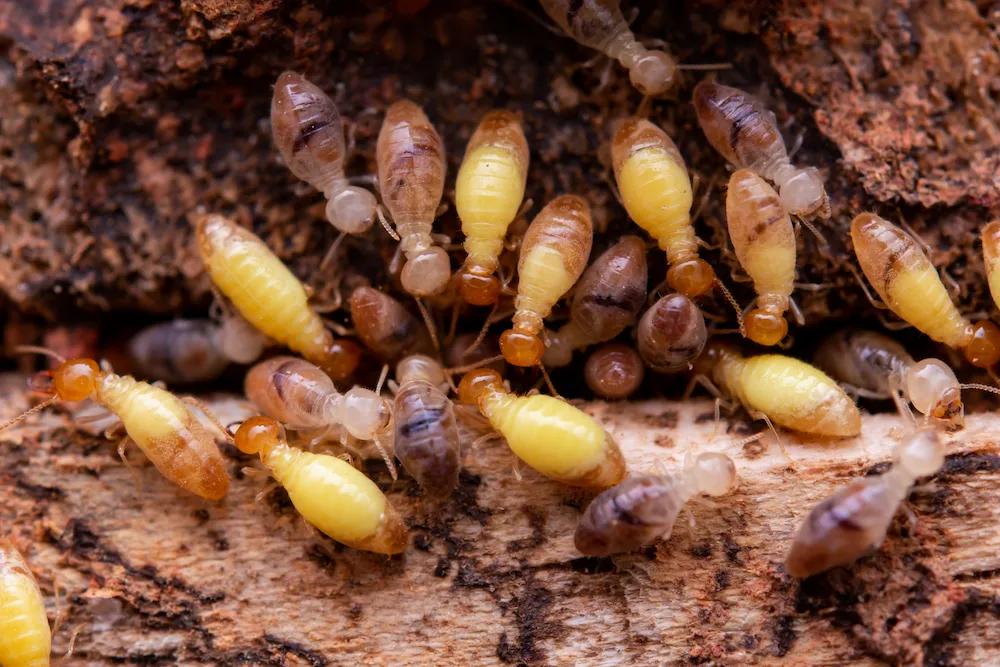
Termites do not suddenly become harmless when the temperature drops. They simply become harder to spot. That’s the core reason why termites are worse in winter: you are less likely to notice the early warning signs, and they can feed undisturbed for longer.
Winter habits can also work in a termite’s favor. We run the heat, keep windows closed, and spend more time cooking, showering, and doing laundry indoors. That can increase humidity in specific rooms and add condensation around plumbing and exterior walls. Termites do not need a flood to thrive. A small moisture issue in the right spot can keep a colony comfortable.
Winter Reduces the “Obvious” Clues
In warmer months, termite activity sometimes shows up around the outside of a home: mud tubes along a foundation wall, damaged exterior wood, or swarmers near windows. In winter, swarm activity is far less common, and homeowners tend to spend less time inspecting the foundation line and crawl space access points. The result is often delayed discovery, not delayed damage.
Winter Termite Infestation Risks for Homeowners
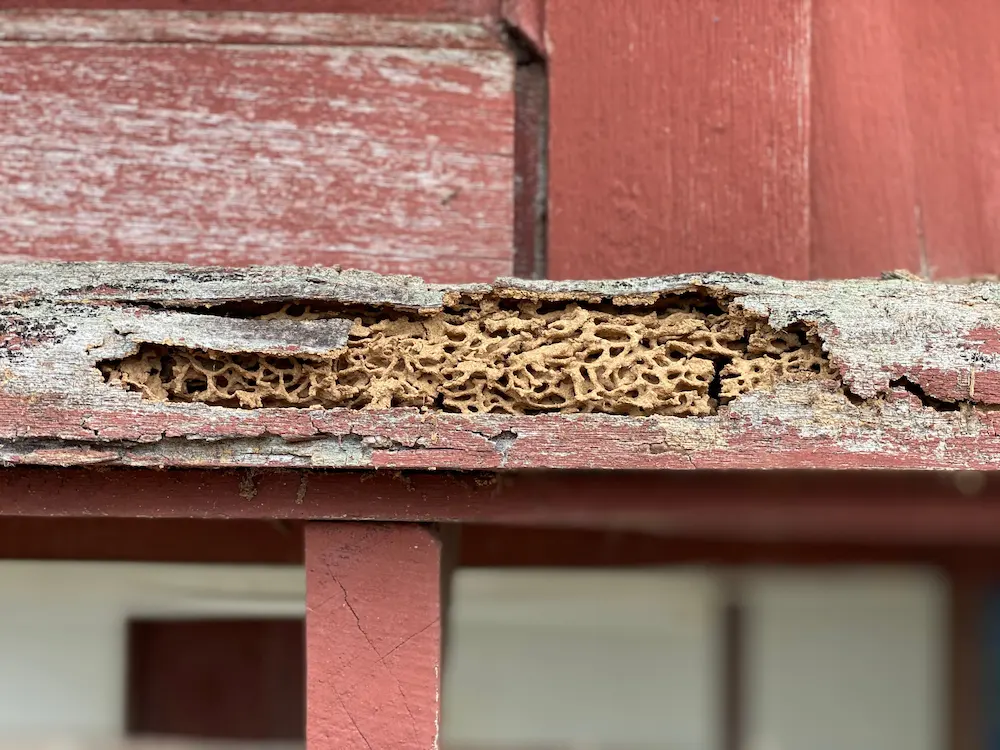
The biggest problem with winter termite infestation risks is that damage can keep stacking up while you assume the season is protecting you. Termites eat cellulose, which is found in wood and other plant-based materials. Over time, that feeding can weaken structural components in a way you cannot see from the surface.
In Northern Virginia and surrounding areas, termites often take advantage of moisture issues that are easier to miss in winter. A slow plumbing leak, damp crawl space insulation, poor drainage, or clogged gutters can keep soil around the foundation wet. Moisture near the home is one of the most common reasons a property becomes attractive to termites in the first place.
Subtle Signs Worth Taking Seriously
Winter inspections are all about noticing small changes. Mud tubes in a crawl space, wood that sounds hollow when tapped, or paint that starts bubbling near baseboards can all point to hidden moisture and possible termite activity. You might also notice gritty debris near trim or window frames, or small areas of drywall that look swollen.
None of these signs automatically confirm termites. But they are strong reasons to stop guessing and get a professional set of eyes on the problem before the damage spreads.
What to Do If You Suspect Termites This Winter
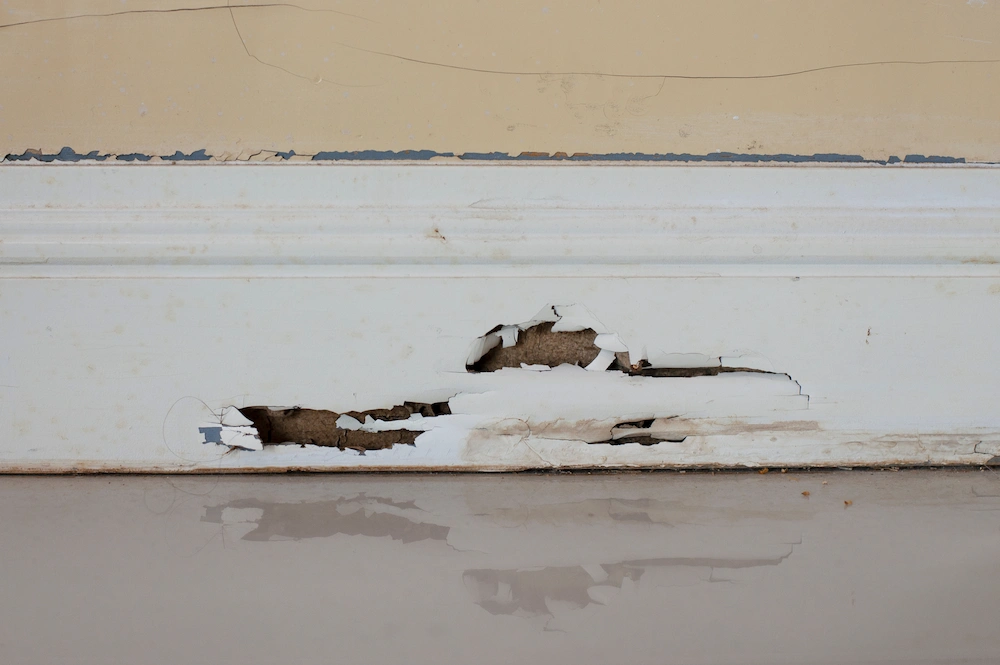
If you have even a small concern, start with a careful look at the areas termites prefer: the crawl space, basement edges, utility rooms, and any place where wood meets concrete. Focus on moisture first, because moisture is often what makes a home inviting.
Next, consider scheduling a professional evaluation.
A quick note on DIY spot checks: you can look for moisture, tubes, and damaged wood, but termites are masters at staying out of sight. Professionals know where to inspect, what patterns matter, and how to tell the difference between termite damage and other issues like water damage or wood rot. Catching the problem early is the difference between a targeted treatment and a big repair bill.
Green Pest Services offers targeted termite solutions, including monitoring and treatment options built for long-term protection. If you want to see what professional help can look like, take a look at our page on termite control in Northern Virginia.
Simple Steps That Make Your Home Less Inviting
You do not have to renovate your house to lower the risk. A few winter-focused habits can make a real difference, especially if you stay consistent.
- Fix leaks quickly, even slow drips under sinks
- Keep crawl spaces as dry as possible and address standing water
- Make sure downspouts push water away from the foundation
- Store firewood away from the home and off the ground
- Avoid letting mulch or soil build up against siding
If you are not sure where to begin, a professional inspection can also help you prioritize the biggest risk factors. Termites are only eliminated with targeted treatments, and there is no one better suited for that job than Green Pest Services.
Keep Your Home Strong Through Winter
Termites are not just a spring or summer issue. Once a colony has access to warmth, moisture, and wood, the season matters much less than most homeowners think. The best time to take termites seriously is before you see major damage, and winter is a smart time to check the places you usually ignore.
If you are in our service area and want help identifying termite risks around your home, you can also review our service areas. When you’re ready, contact Green Pest Services to schedule an inspection and protect your home while the problem is still manageable.
Citations
When does termite season start?. (n.d.). Orkin. Retrieved December 22, 2025, from https://www.orkin.com/pests/termites/when-does-termite-season-start
The Ant’s Grocery List: What Ants Really Eat
The Ant’s Grocery List: What Ants Really Eat The Ant’s Grocery List: What Ants Really Eat Summary: Ants eat a wide variety of [...]
How to Use Spring Cleaning to Prevent Pests
How to Use Spring Cleaning to Prevent Pests How to Use Spring Cleaning to Prevent Pests Summary: Spring cleaning helps prevent pests by [...]
Signs of Termites in a House: What Homeowners Should Watch For
Signs of Termites in a House: What Homeowners Should Watch For Signs of Termites in a House: What Homeowners Should Watch For Summary: [...]
Enjoy a Pest-Free Year With These 10 Easy Steps
Enjoy a Pest-Free Year With These 10 Easy Steps Enjoy a Pest-Free Year With These 10 Easy Steps Summary: A practical guide to keeping a [...]
How Do Pests Contaminate Food?
How Do Pests Contaminate Food? How Do Pests Contaminate Food? Summary: A practical homeowner guide explaining how pests contaminate food through contact, saliva, [...]
The Clear Signs of Bed Bugs in Every Setting
The Clear Signs of Bed Bugs in Every Setting The Clear Signs of Bed Bugs in Every Setting Summary: A setting-by-setting guide to [...]