
Garden Pests Do Not Hibernate Indoors – How They Attack Houseplants And What To Do
Garden Pests Do Not Hibernate Indoors – How They Attack Houseplants And What To Do
Summary: Garden insects do not hibernate once they find warmth and food indoors. Learn how they attack, the earliest signs to catch, and the routine that keeps plants healthy in winter.
If your houseplants suddenly struggle once the cold weather arrives, it is not just the shorter days. Many outdoor insects ride along on potted soil, firewood, or fresh produce, then stay active inside through winter. Central heating, stable humidity, and bright windows give them everything they need to feed and multiply.
That is why indoor garden pests can be a bigger problem in January than in July. In this guide, you will learn which garden pests commonly survive indoors, how they attack houseplants, the early signs to watch for, and the steps that protect your plants through the colder months.
Why Some Garden Pests Stay Active Inside In Winter
Outdoors, cold temperatures slow insect metabolism and push many species into dormancy. Inside a home or apartment, conditions look more like late spring. Heated rooms keep air temperatures in the comfort zone for development, and south facing windows maintain adequate light for pest activity and plant growth.
Potting soil works like a tiny ecosystem. Moist media, drainage trays, and organic debris provide water and shelter for eggs, larvae, and adults. That is why garden pests in winter often shift from the yard to your living room, where they find food on tender leaves and stems.
Another key reason is movement. Bugs hitchhike on newly purchased plants, cut flowers, holiday greenery, and even on us. Once inside, they settle near the windows, grow their numbers, and spread to nearby pots.
Common Indoor Pests And How They Attack Your Houseplants

Different garden pests prefer different plant parts. Knowing their feeding style helps you spot damage early and choose the right response. Below are the usual suspects you may find on foliage, stems, and potting soil.
Fungus Gnats
Adult gnats are those small, mosquito-like flies hovering around planters. They are annoying, but the real harm comes from larvae that feed on algae and delicate roots in wet soil. Seedlings and recently repotted plants wilt first.
Overwatering is the main driver. Letting the top inch of soil dry, bottom watering when possible, and using sticky traps will reduce adults while the soil cycle breaks.
Spider Mites
These tiny arachnids puncture leaves and sip the contents, which leaves a peppered, stippled look on foliage. Fine webbing appears between petioles and along leaf undersides, especially in warm, dry rooms.
Boosting humidity around plants, gently showering leaves, and using horticultural oil on leaf undersides can slow populations. Consistency is critical since new eggs hatch quickly in cozy indoor air.
Aphids
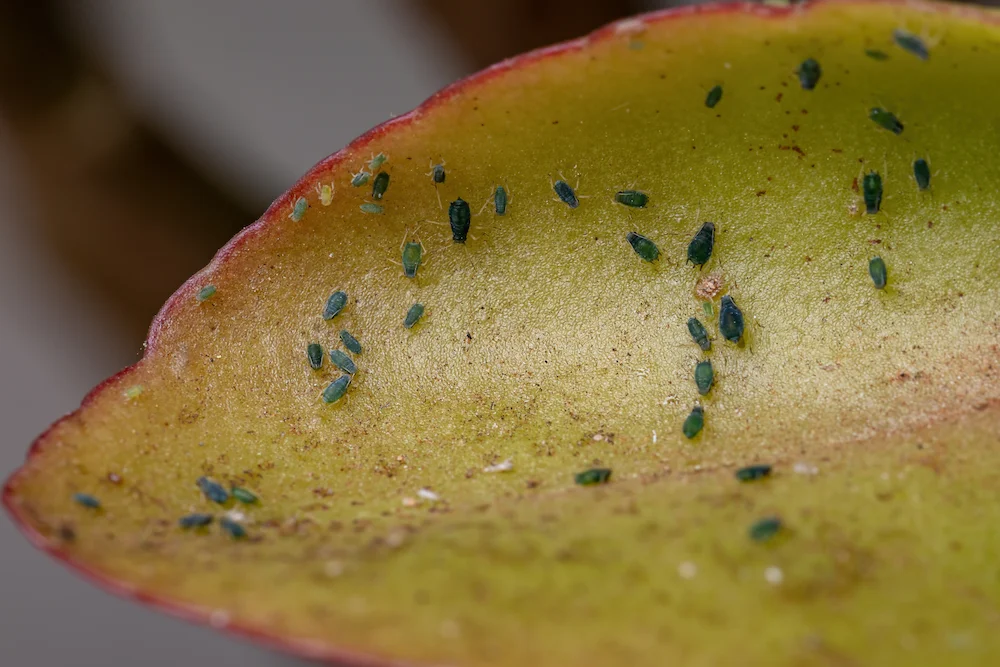
Soft bodied aphids cluster on new growth and flower buds. They extract sap, curl leaves, and drip honeydew that turns sticky surfaces sooty. They reproduce live young, so numbers climb fast without predators inside.
Prune heavily infested tips, rinse colonies into the sink, and follow with insecticidal soap on both sides of the leaves. Repeat at 5 to 7 day intervals to catch new nymphs.
Mealybugs And Scale
Mealybugs look like bits of cotton tucked in nodes and along stems. Scale insects appear as tan or brown bumps that do not brush off easily. Both feed on phloem sap and cause leaf drop, slow growth, and a sticky film.
Dab individual insects with isopropyl alcohol on a cotton swab, then treat the plant with a light oil or soap product. Isolate the plant to prevent spread while you repeat treatments through one or two life cycles.
Whiteflies
Brush a plant and tiny white moth like insects may puff up in a cloud. These are whiteflies, and like aphids they suck sap and produce honeydew. They prefer warm, protected spots near bright windows.
Use yellow sticky cards to monitor adults and apply soap or oil to leaf undersides where nymphs feed. Combine with gentle pruning of heavily infested leaves to remove developing stages.
Thrips
Thrips scrape and suck tissues, which leaves silvery patches and distorted, scarred petals. They readily move between plants and hide in flowers and tight leaf folds.
Quarantine new plants, trim damaged blooms, and consider a systemic drench labeled for indoor ornamentals if hand treatments fail. Good sanitation limits re infestation in tight spaces.
Early Warning Signs Of Trouble On Your Plants
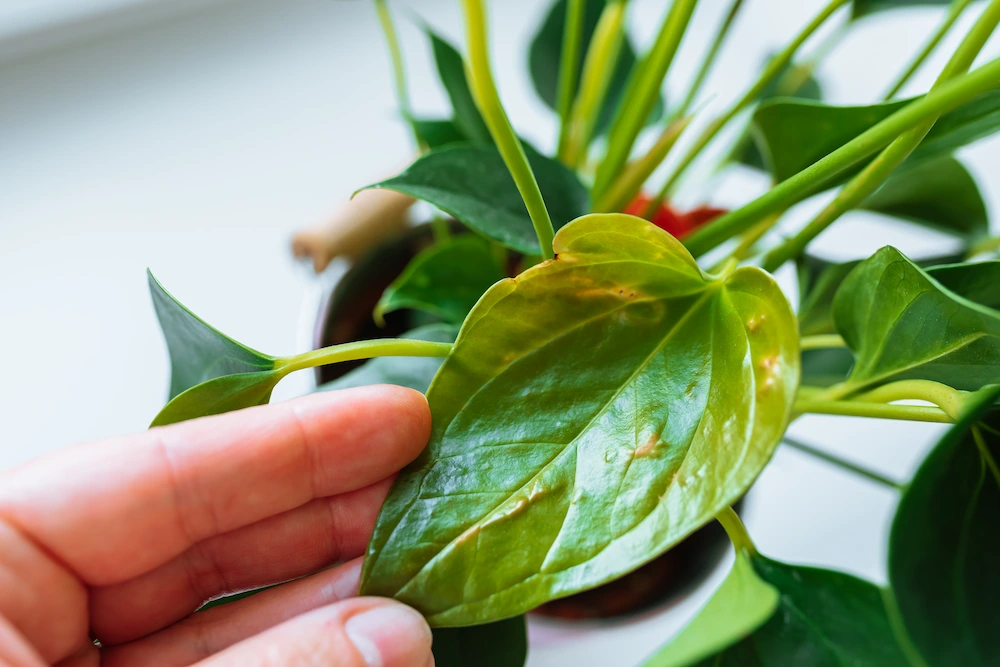
Catching problems early is the difference between a quick cleanup and weeks of rescue work. Look closely at new growth, leaf undersides, and the soil surface whenever you water or rotate pots. A magnifying lens can make tiny feeders obvious.
Aim to check each plant weekly. Sticky residue, distorted leaves, and insects that flutter when disturbed often signal pest infestations on plants. If you see a pattern on one shelf, assume neighbors are at risk and inspect every pot.
Quick visual cues to watch:
- Fine webbing between leaves and stems
- Sticky honeydew or sooty mold on foliage or nearby surfaces
- Tiny flies or sudden white flurries when a plant is moved
- Yellow speckling, leaf curl, or premature leaf drop
- Larvae or movement in the top half inch of soil·
Prevention: A Winter Safe Houseplant Routine
The best control is prevention. Simple tweaks to watering, airflow, and quarantine practices reduce the chance of new introductions and make your environment less welcoming to garden pests.
Start by isolating any new or gifted plant for 2 to 3 weeks while you monitor with sticky cards. Water only when the top inch is dry and empty saucers after 15 minutes. Clean pruners and wipe shelves so eggs do not travel from pot to pot. These habits form the backbone of effective pest control for houseplants.
Build your routine around these steps:
- Quarantine new plants away from your main collection
- Use clean, well draining potting mix and sterile containers
- Right size pots to prevent chronically wet soil
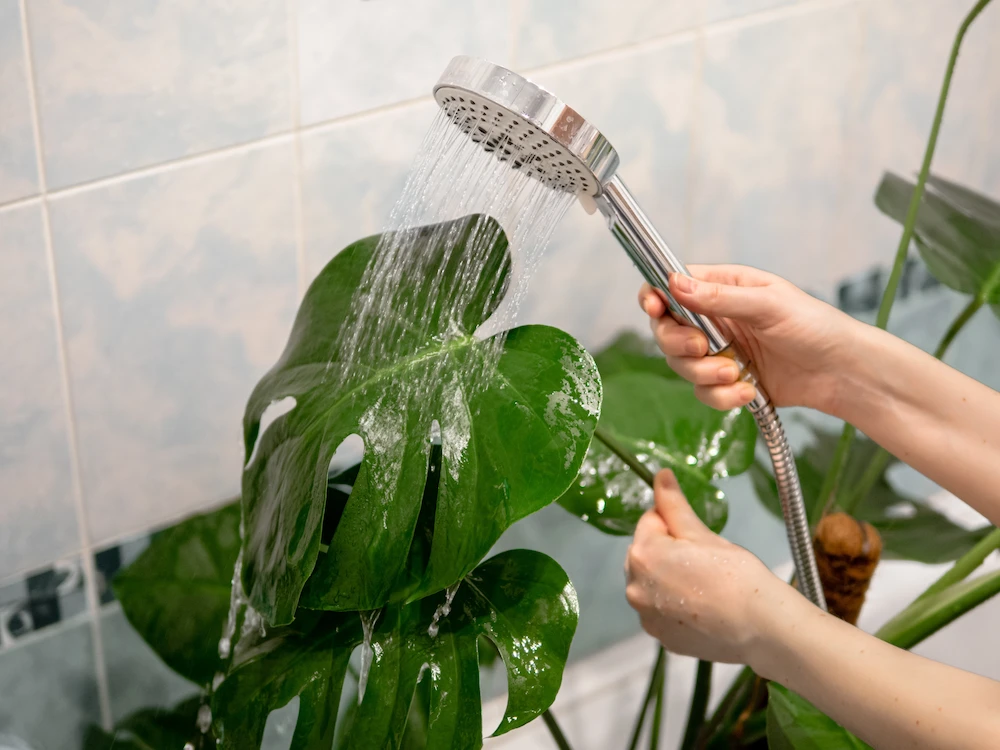
- Rinse leaves in the sink or shower as part of regular care
- Place yellow sticky cards near vulnerable plants
If a problem keeps returning or you see multiple species at once, bring in help. Our technicians can identify the source, treat living spaces safely, and set up a plan that protects your plants and home. Explore our residential pest control services at Green Pest Services and reach out through our contact page.
When To Call A Professional

Some situations require more than hand picking or soap sprays. If you notice persistent outbreaks, garden pests on multiple floors or rooms, or insects emerging from gaps near windows and baseboards, professional support will save time and plants.
This is especially true with pests that move indoors as temperatures dip or when travel or holiday decor brings in hitchhikers. Accurate identification and a targeted plan ensure safe treatment for people, pets, and sensitive species like orchids or herbs.
If you care for a larger collection or manage greenery in a common area, scheduled inspections during winter reduce surprises. We can coordinate service windows that match your watering cycle and keep disruptions minimal for your household and plants.
Keep Your Indoor Jungle Healthy With Green
Healthy plants make a home brighter, especially in the colder months. With the right routine and quick action, you can keep houseplant pests in check and enjoy vibrant growth all winter long. Your houseplants deserve care too!
When you need backup, Green Pest Services provides reliable indoor solutions and guidance tailored to local conditions. Get a free quote today and let us help protect your plants and your peace of mind.
Citations
Feaster, F. (2025, May 22). 44 common garden pests. HGTV. Available at https://www.hgtv.com/outdoors/landscaping-and-hardscaping/16-common-garden-pests-pictures (Accessed on November 7, 2025).
Odor is an Early Sign of Rodents, Here’s Why
Odor is an Early Sign of Rodents, Here’s Why Odor is an Early Sign of Rodents, Here’s Why Summary: Rodent odors are often [...]
Pest Prevention Tips for Snowy Days
Pest Prevention Tips for Snowy Days Pest Prevention Tips for Snowy Days Summary: Snowy weather pushes pests to seek warmth and shelter indoors, [...]
How Do Ants Spend Winter? What Homeowners Should Know About Ants in Winter
How Do Ants Spend Winter? What Homeowners Should Know About Ants in Winter How Do Ants Spend Winter? What Homeowners Should Know About Ants in [...]
Termites Are Awful Winter Pests – Here’s Why
Termites Are Awful Winter Pests – Here’s Why Termites Are Awful Winter Pests – Here’s Why Summary: Termites can remain active through winter [...]
How to Maintain a Pest-Free Kitchen for the Holidays
How to Maintain a Pest-Free Kitchen for the Holidays How to Maintain a Pest-Free Kitchen for the Holidays Summary: This blog educates homeowners [...]
Pests That Invade Packages & Boxes: How to Prevent Hidden Infestations
Pests That Invade Packages & Boxes: How to Prevent Hidden Infestations Pests That Invade Packages & Boxes: How to Prevent Hidden Infestations Summary: [...]