
The Clear Signs of Bed Bugs in Every Setting
The Clear Signs of Bed Bugs in Every Setting
Summary: A setting-by-setting guide to spotting bed bugs early, including what to look for on beds, furniture, luggage areas, and shared seating, plus next steps to prevent spread.
Bed bugs are expert hitchhikers. They can show up in spotless homes, luxury hotels, crowded buses, and quiet movie theaters because they travel on people and belongings, not on dirt or food scraps. The trick is catching an issue early so it stays a small problem instead of turning into a full-blown infestation.
This guide breaks down the most reliable signs of bed bugs you can look for in each common setting and what those clues actually mean. If you are unsure, take a photo, avoid moving items room to room, and consider getting professional confirmation before you treat and spread the problem.
What Bed Bugs Look Like and What They Leave Behind
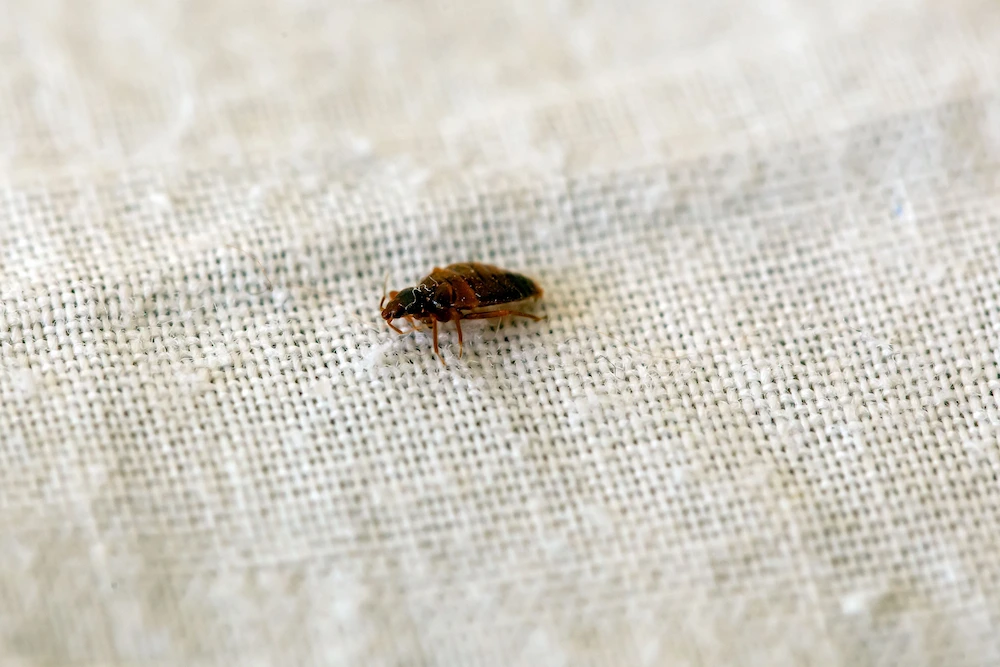
Adult bed bugs are about the size of an apple seed, flat and oval, and they tend to hide during the day. Nymphs are smaller and lighter in color, and eggs are tiny, pale, and easy to miss. If you are learning how to identify bed bugs, focus on both the insects and the evidence they leave behind near where people sit or sleep.
Most clues show up close to seams, folds, and cracks. Bed bugs prefer tight spaces where their bodies press against surfaces, which is why mattress seams, upholstered furniture, and baseboard gaps are frequent hotspots.
Quick checklist of physical clues:
- Small dark dots that look like ink specks on fabric or along seams (droppings)
- Rusty or reddish smears on sheets or cushions (crushed bugs or blood)
- Pale shed skins from growing nymphs
- Tiny white eggs tucked into cracks or stitching
- A sweet, musty odor in heavier infestations
Bed Bug Signs in Homes
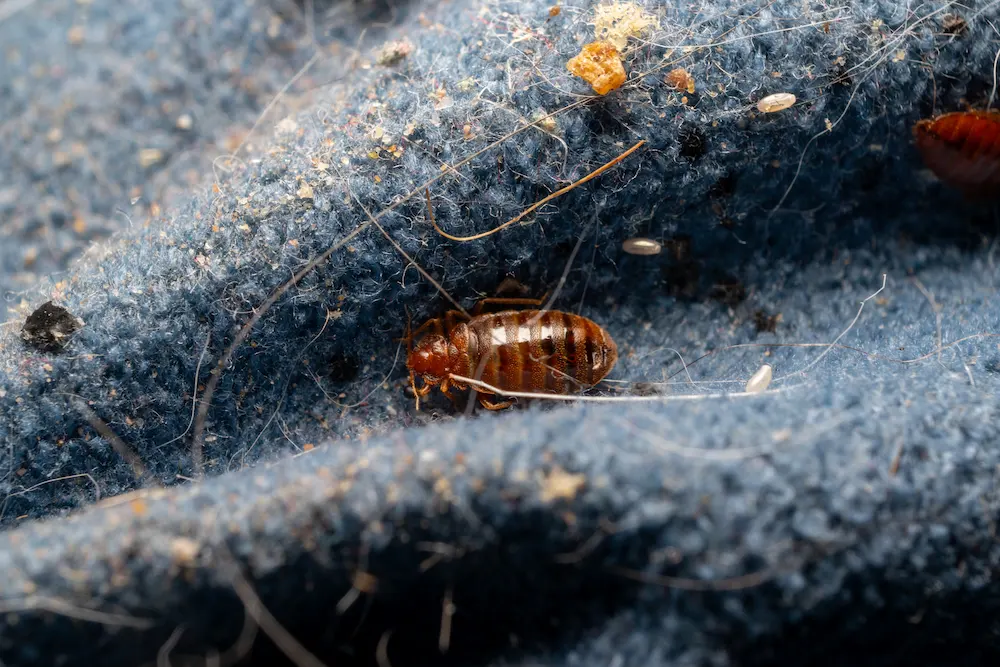
In houses and apartments, the first activity usually centers on the bed, a couch, or a favorite chair. Check mattress piping, the box spring edges, headboard mounting points, and the corners of upholstered furniture. If bites are your only clue, remember that skin reactions vary. Some people swell quickly while others show no marks at all.
Do not stop at the mattress. Bed bugs commonly wedge into nightstands, picture frames, curtain hems, electrical outlet covers, and the thin gap where carpet meets the wall. A flashlight and a stiff card can help you gently open seams and crevices without tearing fabric.
Bed Bug Signs in Hotels and Short-Term Rentals

Because guests rotate constantly, bed bug signs in homes and hotels can look similar, but hotels have one major difference: luggage staging. Inspect the bed first, then the nearby upholstered chair, luggage rack, and the wall area behind the headboard. Pull back the sheets and scan seams instead of relying on a quick glance across the top of the bed.
If you spot suspicious dots or shed skins, keep your bags in the bathroom while you decide your next step. Hard surfaces and bright lighting make it easier to spot bugs, and it reduces the chance of picking up hitchhikers while you reorganize your belongings.
Bed Bugs on Public Transportation
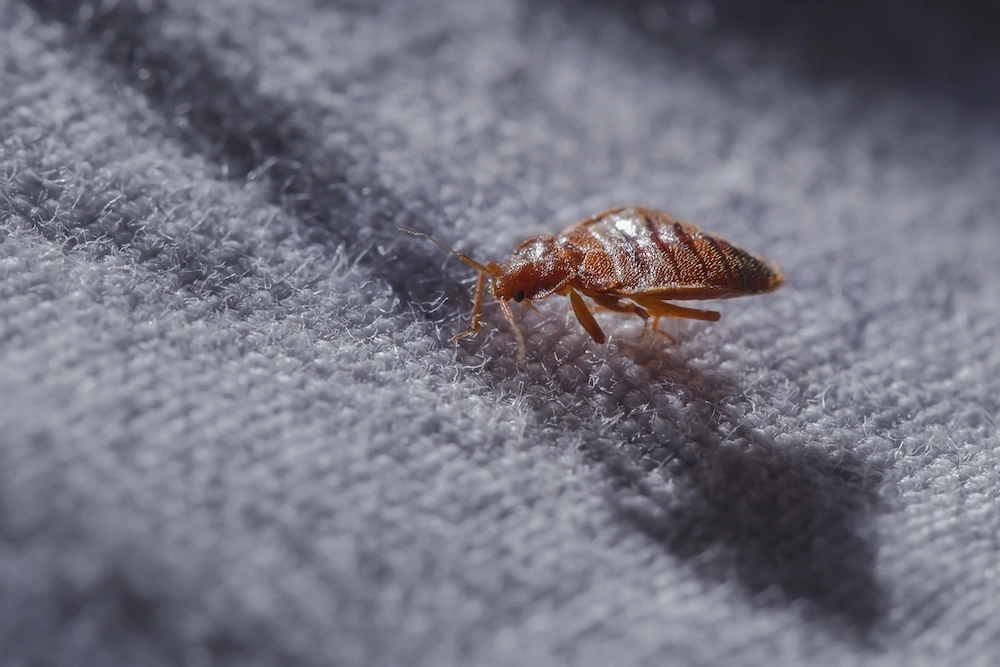
Bed bugs on public transportation are usually introduced by riders and then linger in the places that provide fabric and shelter. Train and bus seats, the seams of padded benches, and the edges of seat-backs can all serve as temporary hiding spots. It is less common to find a large, established infestation on transit, but it is possible to bring one home if a bug crawls into a bag or onto clothing.
If you are concerned after a commute, change clothes when you get home and place worn items directly into the dryer on high heat. Pay extra attention to backpacks, tote bags, and coats since those are the items that rest against seats the most.
Signs in Theaters, Offices, Schools, and Other Shared Spaces
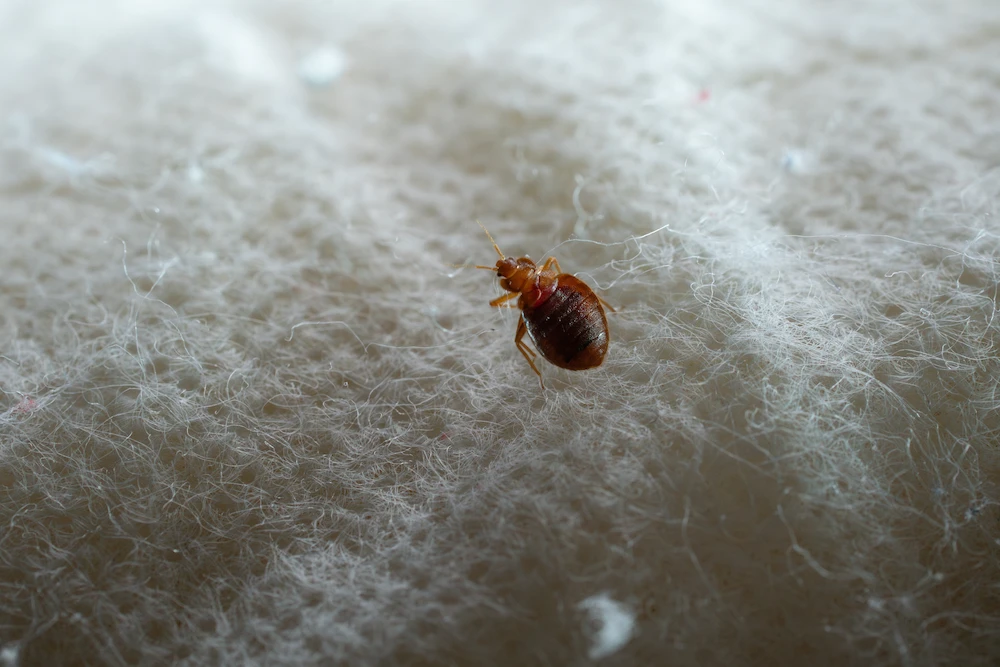
Theaters and performance venues can mask bed bug activity because the lighting is low and the seating is upholstered. Look for clustering on the seams of armrests, the underside of flip-up seats, and the crevice where the seat meets the backrest. A few scattered dark dots can be enough to justify switching seats and alerting staff.
In offices, schools, libraries, and waiting rooms, where bed bugs are commonly found is usually soft seating, break room couches, fabric partitions, and personal storage areas like lockers. They may also hide behind baseboards or inside small gaps near outlets, especially in rooms where people sit still for long periods.
Early Warning Signs and What to Do Right Away

Early warning signs of bed bugs usually appear as small clusters of droppings, shed skins, or bite complaints tied to a specific room or piece of furniture. The sooner you confirm what you are seeing, the easier it is to contain. Avoid moving bedding, pillows, or clothing through the home until you have a plan.
If you find anything suspicious, treat it like a containment situation. Bag items before you transport them, label them, and keep them isolated until they can be heat treated or professionally inspected.
What to do in the first 24 hours:
- Take clear photos of stains, skins, eggs, or the bug itself for identification
- Reduce clutter around beds and couches so hiding spots are limited
- Run suspect clothing and bedding through a hot dryer cycle, then store in clean sealed bags
- Vacuum seams and edges, then immediately empty the vacuum contents into a sealed bag outdoors
- Do not use foggers, and avoid random sprays that can push bugs deeper into walls and furniture
When to Call a Professional
If you are repeatedly seeing new stains, shed skins, or live bugs, it is time to bring in a trained eye. Bed bugs reproduce quickly and can spread to adjacent rooms, which makes DIY-only attempts risky when the source is not fully located.
Green Pest Services can confirm the issue, pinpoint harborage areas, and recommend a treatment plan that fits your home or business. Learn more about our bed bug control service here or find your nearest service area here. If you’re seeking relief from your pest problems, contact us for a free quote today!
Citations
How to find bed bugs. (2025, September 11). United States EPA. Retrieved February 10, 2026, from https://www.epa.gov/bedbugs/how-find-bed-bugs
Miller, D.M. (Dr.). (n.d.). How to identify a bed bug infestation. The Virginia Department of Agriculture and Consumer Services. Available at https://www.vdacs.virginia.gov/pdf/bb-identify1.pdf (Accessed on February 10, 2026).
How to Use Spring Cleaning to Prevent Pests
How to Use Spring Cleaning to Prevent Pests How to Use Spring Cleaning to Prevent Pests Summary: Spring cleaning helps prevent pests by [...]
Signs of Termites in a House: What Homeowners Should Watch For
Signs of Termites in a House: What Homeowners Should Watch For Signs of Termites in a House: What Homeowners Should Watch For Summary: [...]
Enjoy a Pest-Free Year With These 10 Easy Steps
Enjoy a Pest-Free Year With These 10 Easy Steps Enjoy a Pest-Free Year With These 10 Easy Steps Summary: A practical guide to keeping a [...]
How Do Pests Contaminate Food?
How Do Pests Contaminate Food? How Do Pests Contaminate Food? Summary: A practical homeowner guide explaining how pests contaminate food through contact, saliva, [...]
The Clear Signs of Bed Bugs in Every Setting
The Clear Signs of Bed Bugs in Every Setting The Clear Signs of Bed Bugs in Every Setting Summary: A setting-by-setting guide to [...]
Odor is an Early Sign of Rodents, Here’s Why
Odor is an Early Sign of Rodents, Here’s Why Odor is an Early Sign of Rodents, Here’s Why Summary: Rodent odors are often [...]