
Cold Weather vs. Warm Weather Infestations: How Temperature Shapes Pest Activity
Cold Weather vs. Warm Weather Infestations: How Temperature Shapes Pest Activity
Summary: A homeowner friendly guide explaining how temperature drives infestations in cold and warm seasons, with checklists matched to the calendar and local service options.
When temperatures shift, pests adjust their playbook. Some species race to breed in the heat while others push indoors to survive the chill. That is why seasonal pest infestations feel so different in January than they do in July.
Understanding how temperature drives movement, feeding, and nesting gives you an edge. With a few timely habits and the right professional backup, you can keep problems small and short lived.
Why Temperature Changes Pest Behavior
Pests are cold blooded, so their pace is tied to the environment. As air and surface temperatures rise, many insects speed up their metabolism, feed more often, and reproduce faster. As that same heat fades, survival instincts kick in and pests shift their energy toward shelter, moisture, and dependable food sources.
This is the foundation behind pest behavior by season. Heat favors expansion, while chill favors intrusion. Your home becomes either a launchpad for populations booming outside or a lifeboat for stragglers desperate to stay alive.
Cold Weather: Indoor Pressure Rises
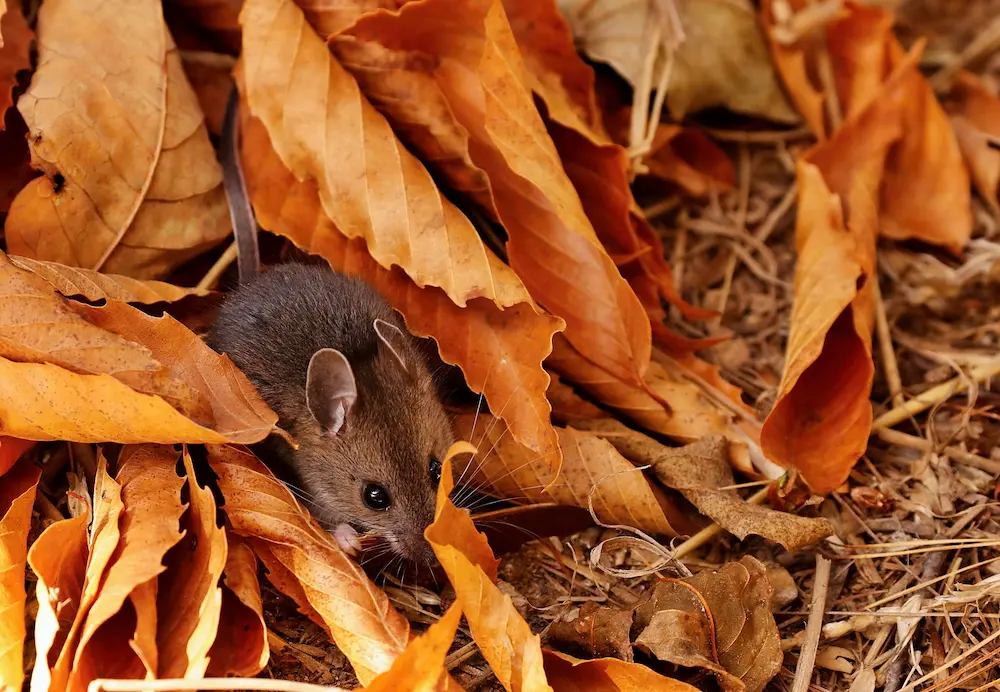
As nights turn colder, many bugs slow down outdoors and start searching for microclimates that stay above freezing. Cracks in siding, gaps around utility lines, attic vents, and door sweeps become critical pathways. Rodents, stink bugs, cluster flies, and spiders commonly follow these routes to ride out winter inside wall voids, garages, and basements.
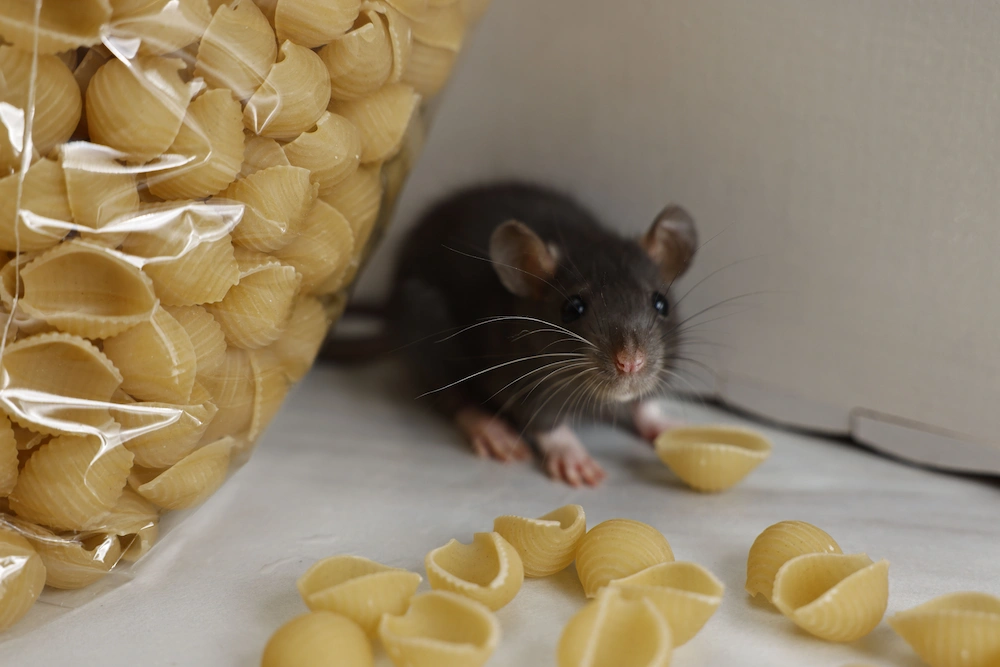
This is why homeowners suddenly notice activity after the first hard frost. Those vibrations in the wall, mystery droppings in a pantry, or a buzzing window in a warm room point to a successful migration. Once inside, pests may not breed like they do in summer, but they contaminate food, damage insulation, and trigger allergy symptoms from cold weather pests.
High-Risk Cold Season Invaders
- Mice and rats seeking heat, calories, and nesting material
- Overwintering bugs like brown marmorated stink bugs and boxelder bugs
- Cockroaches and ants trailing to persistent moisture indoors
If you see a cold snap in the forecast, tighten up the exterior and reduce indoor food cues. Sealing and sanitation matter more now because many intruders only need a small gap and a consistent crumb source to settle in.
Warm Weather: Energy In, Populations Up

Long, bright days act like an accelerator. With abundant nectar, insects, and water, many species can complete life cycles in weeks. Mosquitoes breed in tiny pockets of standing water, ant colonies divide and expand, and wasps build from golf ball sized nests to basketball sized structures in a single season.
This speed is the headline characteristic of warm weather pests. Activity concentrates outdoors at first, but trails often lead inside for sugar, protein, and safe nest sites. Kitchens, patios, play sets, and eaves become hotspots as temperature and pest activity climb together.
Common Summer Trouble Spots
- Clogged gutters and birdbaths that fuel mosquito breeding
Use the calendar to your advantage. Remove standing water weekly, store pet food in airtight bins, and trim vegetation away from siding to reduce harborage. These simple habits starve pests of easy resources during their fastest growth window.
Your Home Through the Seasons: A Simple Prevention Calendar
Temperature swings decide where pests push, so your prevention should shift too. Treat each season like a checkpoint and you will block most issues before they begin.
In fall and winter, prioritize exclusion and sanitation. In spring and summer, focus on moisture control and outdoor habitat reduction. Pair these steps with targeted professional treatments when activity crosses a threshold.
Quarterly Focus Checklist
- Fall–Winter: seal entry points, replace door sweeps, screen attic and crawl vents, declutter storage areas
- Spring–Summer: drain standing water, clean gutters, trim shrubs one foot off walls, service outdoor trash and recycling
If you want a hand with timing or strategy, our techs can design a plan around your property layout and risk profile. Explore our residential pest control services to see how routine protection breaks the cycle year round. For area specific help, you can also check Washington D.C. pest control.
When DIY Is Not Enough

Some situations move beyond baits and caulk. Rodent incursions that produce gnaw marks and droppings, heavy ant trails that persist after cleaning, or wasp nests near entryways are examples where professional equipment and products make a measurable difference.
Green Pest Services uses inspection driven treatments and family friendly products to target the source. Local teams understand neighborhood pest pressures and the seasonal timing that makes treatment most effective.
Stay Ahead of the Season
Cold snaps send intruders in, heat waves send populations up. Knowing that rhythm puts control back in your hands. Lock down entry points before frost, deprive summer swarms of water and food, and schedule timely service when activity spikes.
If you are ready to stop reacting to the weather and start preventing problems, Green Pest Services is here to help. Request a free quote and we will build a plan that keeps pests at bay in every season. Keep a pest-free home year-round with Green!
Citations
Dean, A. & Hodgson, E. (2020, April 22). Survival effects of fluctuating temperatures on insects. Iowa State University: Extension and Outreach. Available at https://crops.extension.iastate.edu/cropnews/2020/04/survival-effects-fluctuating-temperatures-insects (Accessed on November 10, 2025).
Signs of Termites in a House: What Homeowners Should Watch For
Signs of Termites in a House: What Homeowners Should Watch For Signs of Termites in a House: What Homeowners Should Watch For Summary: [...]
Enjoy a Pest-Free Year With These 10 Easy Steps
Enjoy a Pest-Free Year With These 10 Easy Steps Enjoy a Pest-Free Year With These 10 Easy Steps Summary: A practical guide to keeping a [...]
How Do Pests Contaminate Food?
How Do Pests Contaminate Food? How Do Pests Contaminate Food? Summary: A practical homeowner guide explaining how pests contaminate food through contact, saliva, [...]
The Clear Signs of Bed Bugs in Every Setting
The Clear Signs of Bed Bugs in Every Setting The Clear Signs of Bed Bugs in Every Setting Summary: A setting-by-setting guide to [...]
Odor is an Early Sign of Rodents, Here’s Why
Odor is an Early Sign of Rodents, Here’s Why Odor is an Early Sign of Rodents, Here’s Why Summary: Rodent odors are often [...]
Pest Prevention Tips for Snowy Days
Pest Prevention Tips for Snowy Days Pest Prevention Tips for Snowy Days Summary: Snowy weather pushes pests to seek warmth and shelter indoors, [...]