
Enjoy a Pest-Free Year With These 10 Easy Steps
Enjoy a Pest-Free Year With These 10 Easy Steps
Summary: A practical guide to keeping a home pest-free with 10 prevention steps that reduce food, water, shelter, and entry points across every season.
Staying ahead of bugs and rodents does not require complicated routines or a shelf full of sprays. With the right pest prevention tips for homeowners, you can cut down on surprise infestations, protect your pantry, and keep your home more comfortable in every season.
Below are 10 practical, easy steps to prevent pests that you can build into your normal weekly and monthly rhythm. Each one works best as part of a bigger plan: reduce what attracts pests, block how they get in, and remove the places they like to hide.
Why Prevention Works Better Than Reaction
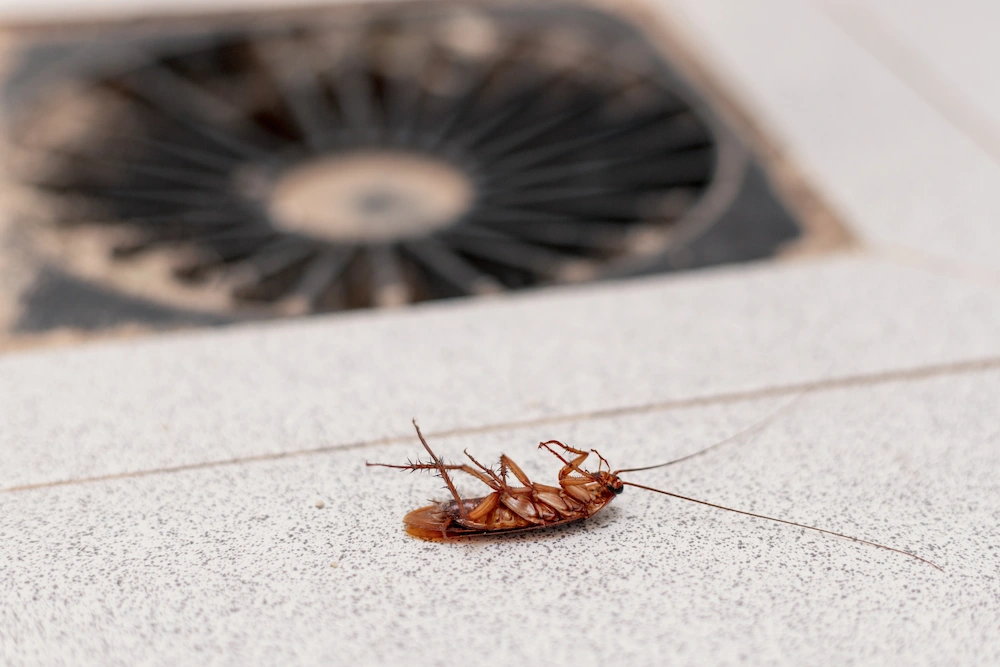
Most household pests are looking for the same three things: food, water, and shelter. If they find even one of those consistently, they will keep coming back and may invite more of their kind. Prevention focuses on removing those essentials before pests feel settled.
Another perk is peace of mind. Year-round pest prevention is less stressful than scrambling after you spot ants in the kitchen or hear scratching in a wall. A little effort throughout the year helps you stay in control rather than playing catch-up.
The 10 Steps That Keep Pests Out All Year
1) Seal the easy entry points first
Start outside and work in. Walk the perimeter of your home and look for gaps around utility lines, cracked weatherstripping, torn screens, and openings where siding meets the foundation. Sealing these areas is one of the fastest ways to improve how to keep pests out of your home.
Pay special attention to these common entry points:
- Door sweeps and thresholds
- Window tracks and screens
- Pipe and cable penetrations
- Garage door corners and bottom seal
- Foundation cracks and weep holes
2) Fix moisture issues that attract pests
Many pests can survive longer without food than without water. Leaky faucets, damp cabinets, slow drains, and condensation around HVAC lines create the humidity pests love. Even small drips can keep roaches, ants, and silverfish active.
Aim for dry, well-ventilated spaces. Repair leaks quickly, use exhaust fans when cooking or showering, and consider a dehumidifier in basements or crawl spaces if they stay damp.
3) Store food like you are protecting it from a tiny burglar
Open bags, cardboard boxes, and loosely closed containers are easy targets for pantry pests, ants, and rodents. Move dry goods into sealed containers and keep pet food in a lidded bin. This is one of the most effective steps for preventing common household pests indoors.
Do a quick pantry reset once a month. Wipe shelves, check for torn packaging, and rotate older items forward so nothing sits long enough to become an unnoticed food source.
4) Make your kitchen a low-reward zone
Kitchens are ground zero because crumbs, grease, and moisture collect there. A nightly reset is one of the most reliable simple pest control habits: wipe counters, sweep under the table, and take out trash before it overflows.
Also look beyond the obvious. Clean under small appliances, rinse recyclables, and keep a tight lid on compost. When food odors and residue are reduced, pests have less reason to explore.
5) Keep trash and recycling clean and contained
Garbage is an all-you-can-eat buffet for pests. Use bins with tight lids, bag trash, and rinse sticky containers. If bins sit in a garage or near an exterior door, keeping them clean matters even more.
Outside, place bins a bit away from the home when possible, and keep the area around them free of spills. A quick hose-out of the bin once in a while removes residues that attract flies, ants, and rodents.
6) Declutter the places pests love to hide
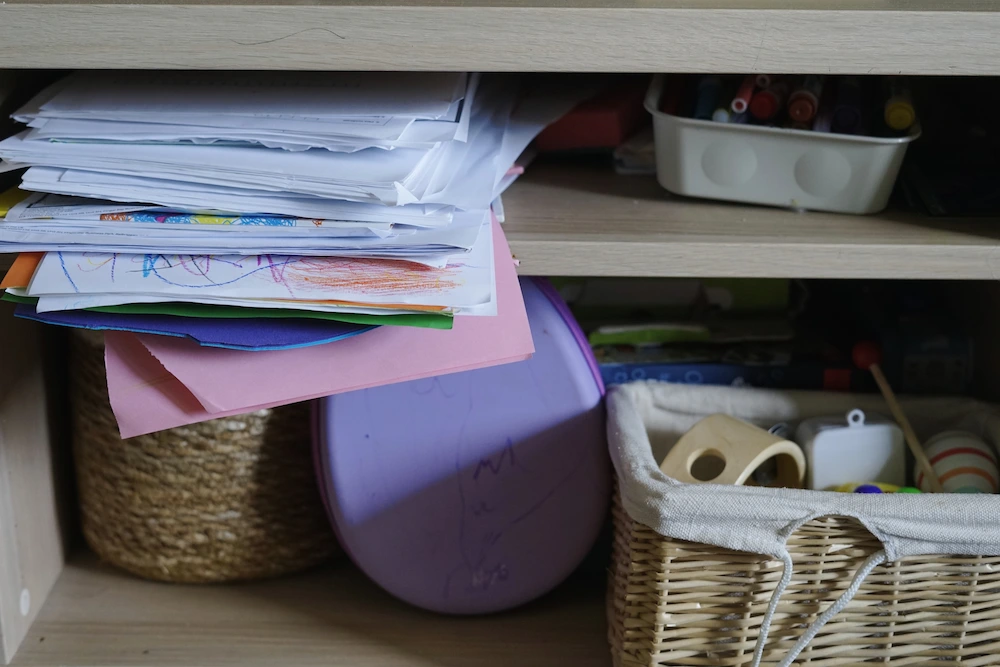
Pests prefer quiet, undisturbed zones: storage rooms, basements, garages, and closets. Cardboard boxes are especially attractive because they provide warmth and hiding spaces, and they are easy to chew for some pests.
Choose sealed plastic totes for long-term storage, keep items a few inches off the floor, and avoid stacking materials tightly against walls. These simple changes reduce hiding spots and make inspections easier.
7) Maintain your yard as a buffer, not a bridge
Your landscaping can either discourage pests or guide them right to your home. Trim back branches and shrubs that touch siding or the roofline, and keep mulch from piling against the foundation. This helps reduce ants, spiders, and moisture-loving pests.
Also keep firewood, lumber, and debris away from the house. Store wood off the ground and at a distance, since it can shelter termites, rodents, and other pests that later move closer.
8) Eliminate standing water and improve drainage
Standing water invites mosquitoes and increases moisture around the home. Check gutters, downspouts, flower pots, tarps, birdbaths, and low spots in the yard. A few minutes outside after a rain can prevent weeks of pest pressure.
If you notice water pooling near the foundation, extend downspouts and consider grading adjustments. Good drainage supports your entire prevention plan and reduces the conditions pests rely on.
9) Schedule a seasonal mini-inspection
Pest pressure changes with the weather. A quick seasonal inspection helps you spot issues before they become infestations and supports year-round prevention without feeling overwhelming.
Use a simple seasonal rhythm:
- Spring: check screens, seal new cracks, clear leaf litter
- Summer: remove standing water, manage trash areas, trim vegetation
- Fall: inspect door sweeps, store firewood properly, reduce outdoor clutter
- Winter: monitor basements and attics, watch for moisture, check pantry storage
10) Know when to bring in a professional
DIY prevention is powerful, but some situations call for trained help, especially if pests are persistent or you suspect hidden activity. If you are seeing repeat issues, professional inspection can identify entry points and sources you may not notice.
If you want ongoing protection, Green Pest Services offers maintained plans that create a protective barrier around your home. Learn more about residential pest control and, if you are nearby, see local service details for pest control in Chantilly, VA.
Put It All Together With a Small Weekly Routine
These steps work best when they become part of normal home upkeep. Choose two or three actions to do weekly, like wiping kitchen surfaces, taking out trash, and checking for moisture under sinks. Over time, those small checks become second nature.
Once the basics are set, it is easier to stay consistent. When you keep attractants low and entry points sealed, your home becomes a tough place for pests to settle, and your prevention efforts last longer. Contact us for a free quote on our reliable services today!
Citations
Beau. (2025, October 31). Seasonal pest control strategies for every time of year. Fieldwork. Available at https://fieldworkhq.com/2025/10/31/seasonal-pest-control/ (Accessed on February 18, 2026).
Enjoy a Pest-Free Year With These 10 Easy Steps
Enjoy a Pest-Free Year With These 10 Easy Steps Enjoy a Pest-Free Year With These 10 Easy Steps Summary: A practical guide to [...]
How Do Pests Contaminate Food?
How Do Pests Contaminate Food? How Do Pests Contaminate Food? Summary: A practical homeowner guide explaining how pests contaminate food through contact, saliva, [...]
The Clear Signs of Bed Bugs in Every Setting
The Clear Signs of Bed Bugs in Every Setting The Clear Signs of Bed Bugs in Every Setting Summary: A setting-by-setting guide to [...]
Odor is an Early Sign of Rodents, Here’s Why
Odor is an Early Sign of Rodents, Here’s Why Odor is an Early Sign of Rodents, Here’s Why Summary: Rodent odors are often [...]
Pest Prevention Tips for Snowy Days
Pest Prevention Tips for Snowy Days Pest Prevention Tips for Snowy Days Summary: Snowy weather pushes pests to seek warmth and shelter indoors, [...]
How Do Ants Spend Winter? What Homeowners Should Know About Ants in Winter
How Do Ants Spend Winter? What Homeowners Should Know About Ants in Winter How Do Ants Spend Winter? What Homeowners Should Know About Ants in [...]