
How Do Pests Contaminate Food?
How Do Pests Contaminate Food?
Summary: A practical homeowner guide explaining how pests contaminate food through contact, saliva, droppings, and nesting behaviors, plus prevention and cleanup steps
If you have ever found crumbs in a cabinet and later noticed ants, roaches, or tiny droppings near the pantry, you have already seen why kitchen pests are more than a nuisance. They are a direct pathway to spoiled ingredients, unsafe meals, and costly cleanups.
Pests contaminate food in multiple ways, often without you noticing right away. A single mouse can travel through trash, wall voids, and insulation, then cross a countertop or pantry shelf. Insects do something similar as they move from drains, pet bowls, and damp hiding spots to food-prep areas.
Why Food Contamination by Pests is Such a Common Problem
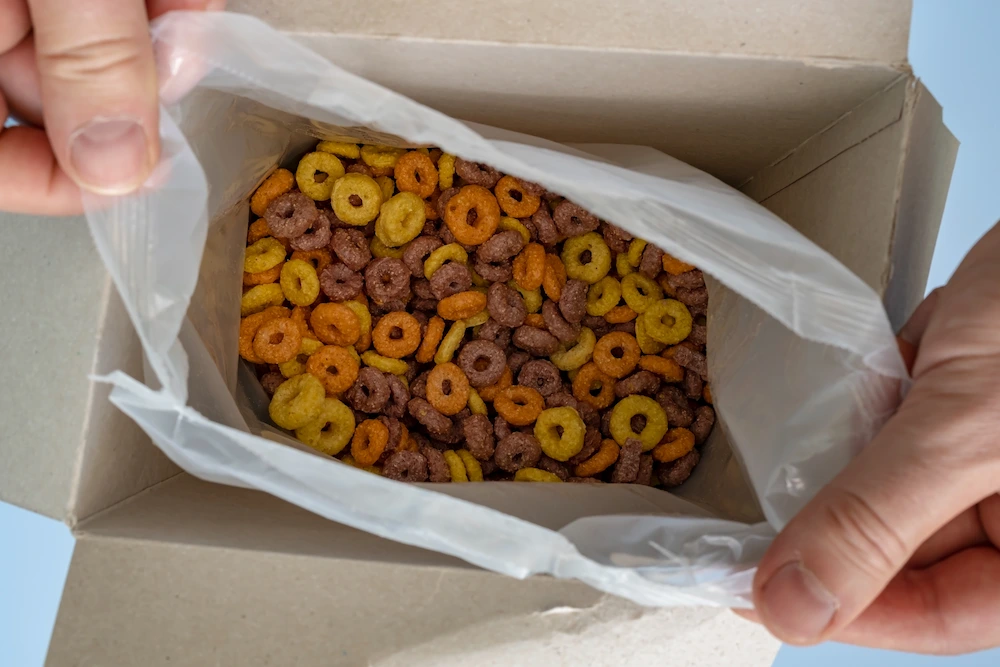
Kitchens offer everything pests need: steady warmth, water sources, and easy calories. Even a few overlooked items, like an open cereal liner or grease around a stove, can turn a home into a reliable feeding stop. Once a pest discovers that “route,” it will keep returning and often recruit others.
Unlike many household messes, contamination is not always visible. Pathogens and allergens can be transferred in tiny amounts, and the odor or staining may not show up until the problem is already established. That is why prevention and quick response matter.
How Pests Contaminate Food in Real Life
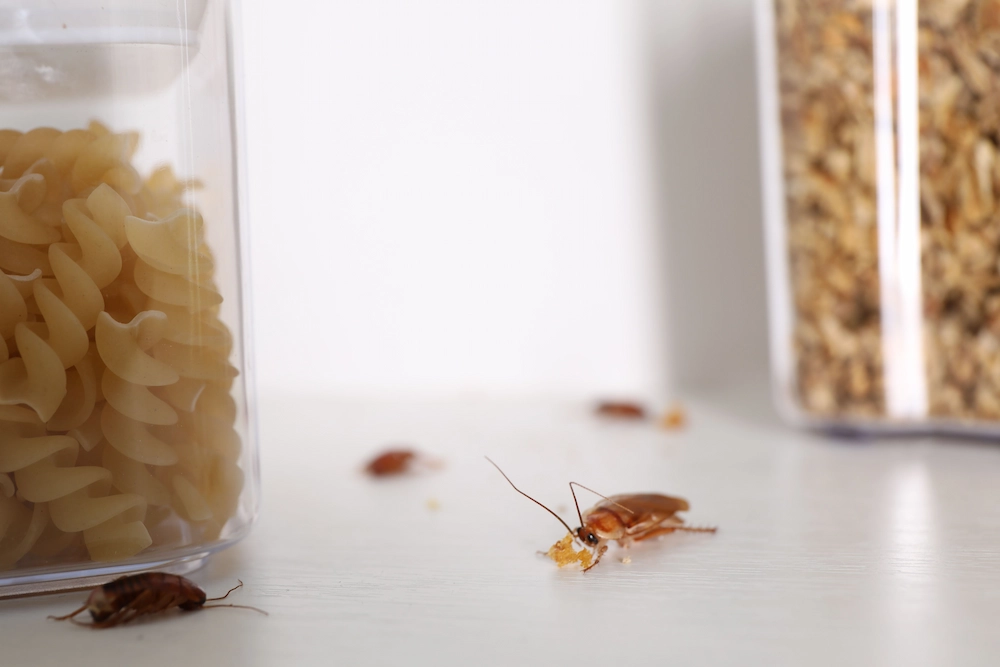
The most direct answer to how pests contaminate food is movement. Pests crawl, climb, and squeeze through spaces that are exposed to germs, then touch surfaces, packaging, and ingredients. The transfer can happen in seconds and can affect more than the item you see them on.
This is also why food contamination from rodents and insects can spread beyond the pantry. A pest may enter a cupboard one night, travel to a cutting board the next, and then cross a dish rack or baby bottle drying area.
Touch Contamination: Paws, Legs, and Body Contact
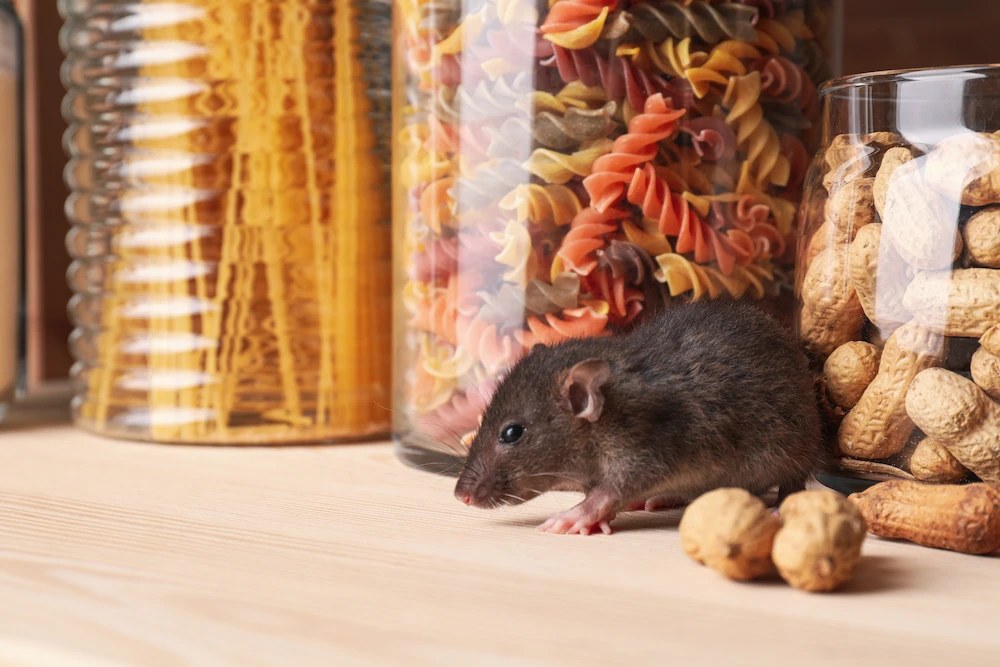
Rodents track contamination with their feet and fur. If they have been in a crawl space, garbage area, or near droppings, those particles can be carried onto shelves and counters. Insects can transport microbes on their bodies as they move across drains, litter boxes, and other unsanitary sites.
Even if a pest never reaches your “food” directly, it can still dirty the surfaces that food touches. That includes utensils, small appliances, cabinet handles, and reusable containers. This is a major driver behind pests spreading bacteria on food during everyday kitchen routines.
Saliva, Regurgitation, and Droppings
Many pests leave behind biological material as they travel. Rodents mark territory with urine, and droppings can fall into drawers, on shelves, or behind appliances. Cockroaches can leave fecal specks and may regurgitate as they feed.
When you hear about pest saliva and droppings on food, it is not always because a pest was seen on the plate. It can be residue on packaging seams, pantry corners, or the underside of a shelf that later contacts a bag, box, or your hands.
Chewing, Nesting, and Hidden Contamination Sources
Rodents chew to keep their teeth worn down. When they gnaw through cardboard, plastic, or foil, they create openings that invite other pests and expose food to dust, urine, and droppings. Nesting material in wall voids or behind cabinets can also shed debris that ends up near stored goods.
Insects can contaminate food by laying eggs in dry goods, leaving shed skins, or creating a trail that draws more insects to the same storage spot. Over time, the kitchen becomes a network of contaminated zones rather than a single “bad” cabinet.
Health Risks of Pests in the Kitchen
The health risks of pests in the kitchen range from mild stomach upset to serious illness, depending on the pest, the exposure, and the person affected. Young children, older adults, and anyone with a weakened immune system can be more vulnerable to contamination.
Rodent and cockroach allergens are another concern. Tiny particles from droppings, body fragments, and shed skins can become airborne and trigger symptoms for people with allergies or asthma. Even when food is not visibly damaged, contamination can still be present.
Signs Your Food Storage May Be Compromised

Some warning signs are obvious, like droppings in a drawer or insects in flour. Others are subtle, like a sour odor near an appliance or tiny specks along cabinet corners. If you notice these signs, it is smart to assume contamination and act quickly.
Also remember that pests may be active at night. You might only see the aftermath in the morning, so checking common hiding and travel areas can help you catch the issue before it spreads.
Common signs to watch for:
- Small droppings or smears in cabinets, drawers, or along baseboards
- Gnaw marks on food packaging, especially cardboard and soft plastics
- Grease-like rub marks near gaps, corners, or behind appliances
- Live or dead insects in pantry items, or tiny holes in dry goods packaging
Preventing Food Contamination by Pests

A pest-free kitchen is built on two habits: limiting access and limiting food rewards. When pests cannot find easy meals, and they cannot easily enter, the odds of an infestation drop dramatically. This is especially important in homes where food is stored in bulk or where pet food is left out.
Start by focusing on storage, cleaning, and exclusion. Then watch for moisture, because many insects and rodents are drawn to water just as much as food. If you are already dealing with activity, immediate cleanup and targeted control matter, because pests reproduce quickly.
Kitchen Habits That Help Most
These steps are simple, but they are also the ones most often skipped during busy weeks. Consistency is what makes them work.
Practical prevention steps:
- Store dry goods in sealed, hard-sided containers, not opened bags or boxes
- Wipe counters and sweep floors nightly, including under the stove and fridge
- Fix leaks and reduce condensation under sinks and around dishwashers
- Take trash out regularly and clean the can and lid area
- Seal gaps around pipes and along baseboards where pests can travel
What to Do If You Suspect Contamination
When you suspect exposure, prioritize safety over saving groceries. Discard any item that has visible droppings, chew marks, insect activity, or damaged seals. For items that appear intact but were stored in the same area, inspect closely and consider replacing anything that is high risk, such as flour, cereal, rice, and pet food.
After removing suspect items, clean the area thoroughly. Vacuum debris first, then disinfect shelves and corners. If the issue involves rodents, avoid sweeping dry droppings into the air. Use gloves, ventilate the space, and follow safe cleanup practices.
When to Call a Professional
If pests keep returning, the source may be hidden in wall voids, attic spaces, or exterior entry points. Professional service can identify how pests are getting in, locate nesting areas, and apply targeted treatments that address the problem at its root rather than just the symptoms.
If you are in Northern Virginia, Green Pest Services can help you stop pests before they compromise your pantry again. Learn more about our residential rodent control here or reach out through our contact page. A kitchen protected by Green is a pest-free kitchen!
Citations
Harney, C. (2024, January 17). The worst food pests. Pointe Pest Control. Available at https://pointepest.com/the-worst-food-pests/ (Accessed on February 12, 2026).
The Ant’s Grocery List: What Ants Really Eat
The Ant’s Grocery List: What Ants Really Eat The Ant’s Grocery List: What Ants Really Eat Summary: Ants eat a wide variety of [...]
How to Use Spring Cleaning to Prevent Pests
How to Use Spring Cleaning to Prevent Pests How to Use Spring Cleaning to Prevent Pests Summary: Spring cleaning helps prevent pests by [...]
Signs of Termites in a House: What Homeowners Should Watch For
Signs of Termites in a House: What Homeowners Should Watch For Signs of Termites in a House: What Homeowners Should Watch For Summary: [...]
Enjoy a Pest-Free Year With These 10 Easy Steps
Enjoy a Pest-Free Year With These 10 Easy Steps Enjoy a Pest-Free Year With These 10 Easy Steps Summary: A practical guide to keeping a [...]
How Do Pests Contaminate Food?
How Do Pests Contaminate Food? How Do Pests Contaminate Food? Summary: A practical homeowner guide explaining how pests contaminate food through contact, saliva, [...]
The Clear Signs of Bed Bugs in Every Setting
The Clear Signs of Bed Bugs in Every Setting The Clear Signs of Bed Bugs in Every Setting Summary: A setting-by-setting guide to [...]