
The Ant’s Grocery List: What Ants Really Eat
The Ant’s Grocery List: What Ants Really Eat
Summary: Ants eat a wide variety of foods including sugars, proteins, and natural sources like nectar and insects. This guide explains what ants eat, which foods attract them, and how to prevent infestations.
Ants are some of the most adaptable pests in the world, and their ability to survive almost anywhere is closely tied to their diet. If ants show up in your kitchen, pantry, or yard, it usually means they have already found something they want to eat.
Many homeowners wonder what do ants eat and why certain foods attract them so quickly. The answer is surprisingly broad. Ants are opportunistic feeders, meaning they will take advantage of many different food sources depending on the species and the needs of their colony.
If ants are becoming a regular problem indoors, professional help can make a big difference. Learn more about ants and our ant control services to keep infestations from growing.
Understanding the Typical Ant Diet
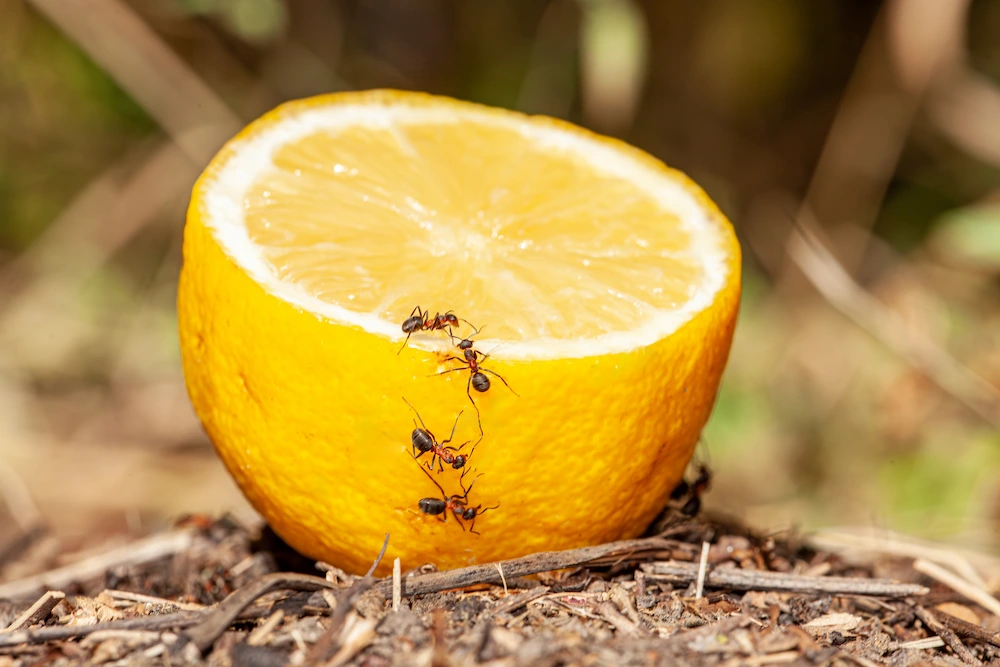
The ant diet varies widely between species, but most ants look for two main nutrients: sugars for energy and proteins to support the colony’s growth. Worker ants are constantly searching for these food sources and will communicate successful finds to other ants through chemical trails.
Sugary foods are especially appealing because they provide quick energy. That is why ants are often spotted around spilled drinks, fruit, and sticky residue on kitchen counters. Once a worker finds a food source, it marks a path so others can follow, which is why a few ants can quickly turn into a line.
Protein is Just As Important
While sugary foods fuel the workers, protein plays a key role in feeding the developing larvae in the colony. Many species gather insects, meat scraps, or grease to bring back to the nest.
This need for protein explains why ants often appear around pet food bowls, trash cans, and cooking areas. The colony adjusts its food preferences depending on what stage it is in and what nutrients are needed most.
Foods Ants are Attracted To in the Home
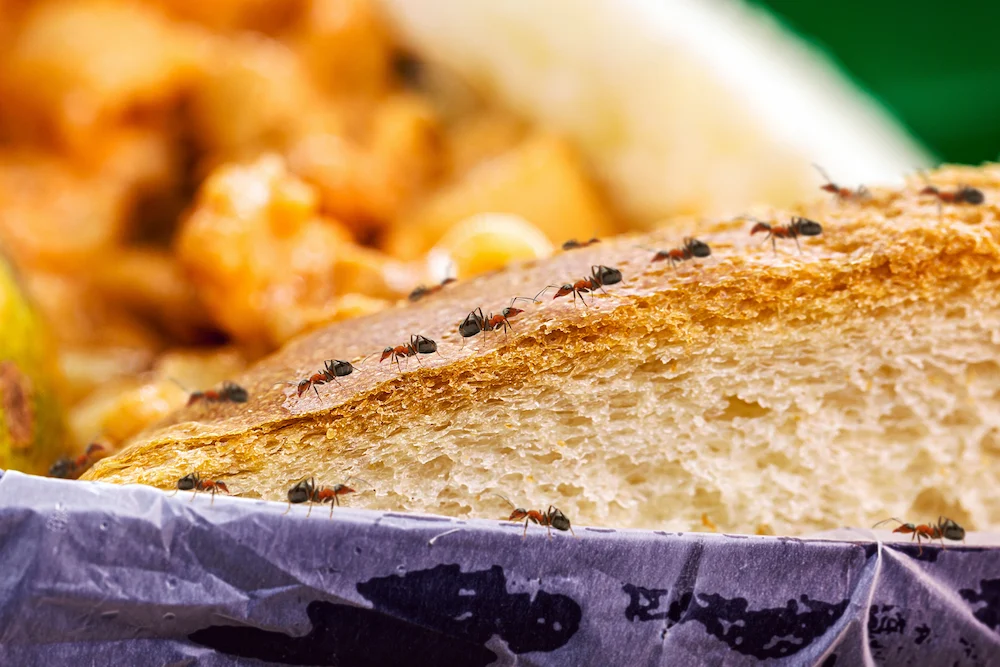
One of the biggest questions homeowners ask is which foods ants are attracted to the most. In truth, ants are not picky, and they will investigate almost anything edible.
However, certain foods tend to attract ants more quickly than others because of their sugar or protein content.
Common Foods that Attract Ants
- Sugary drinks and soda residue
- Honey, syrup, and jams
- Fruit and fruit peels
- Pet food and animal feed
- Greasy or oily foods
- Crumbs from bread, cookies, or cereal
These are some of the most common answers when people ask what foods attract ants in kitchens and pantries. Even tiny crumbs or sticky spots can be enough to draw foraging ants indoors.
Favorite Foods of Ants Outside the Home
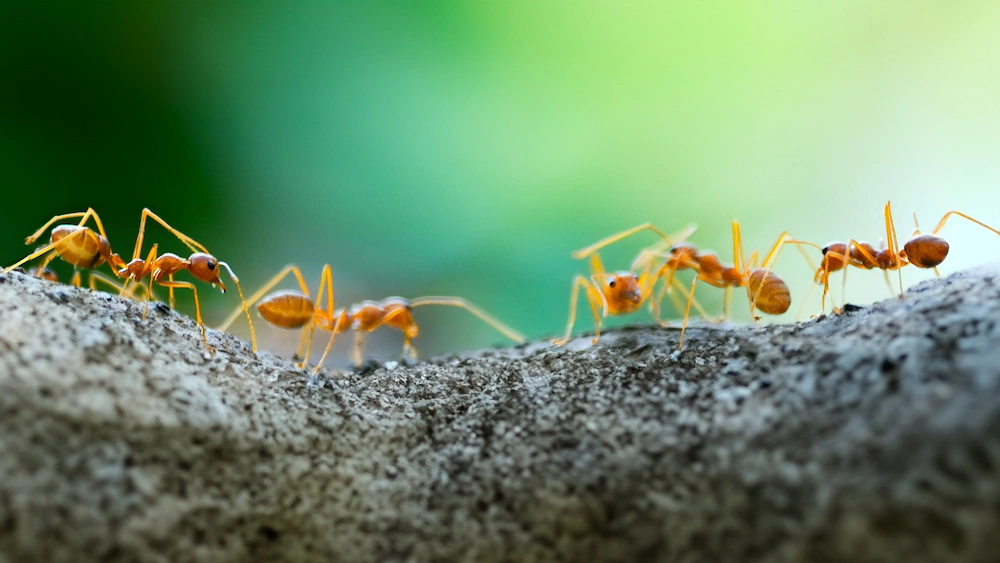
Ants do not rely only on human food sources. Outdoors, they find plenty of natural options that meet their nutritional needs. These food sources help colonies grow and expand without ever entering a home.
Many species feed on plant nectar, insects, and a sugary substance produced by certain garden pests. These natural foods often explain why ants are common around landscaping, trees, and garden beds.
Natural Foods Ants Commonly Feed On
- Nectar from flowers and plants
- Honeydew produced by aphids and other insects
- Dead insects and small arthropods
- Seeds and plant materials
- Fungi or organic debris in soil
These examples highlight the favorite foods of ants in natural environments. Colonies will gather these resources daily to support thousands of worker ants and developing larvae.
What Ants Feed On During an Infestation
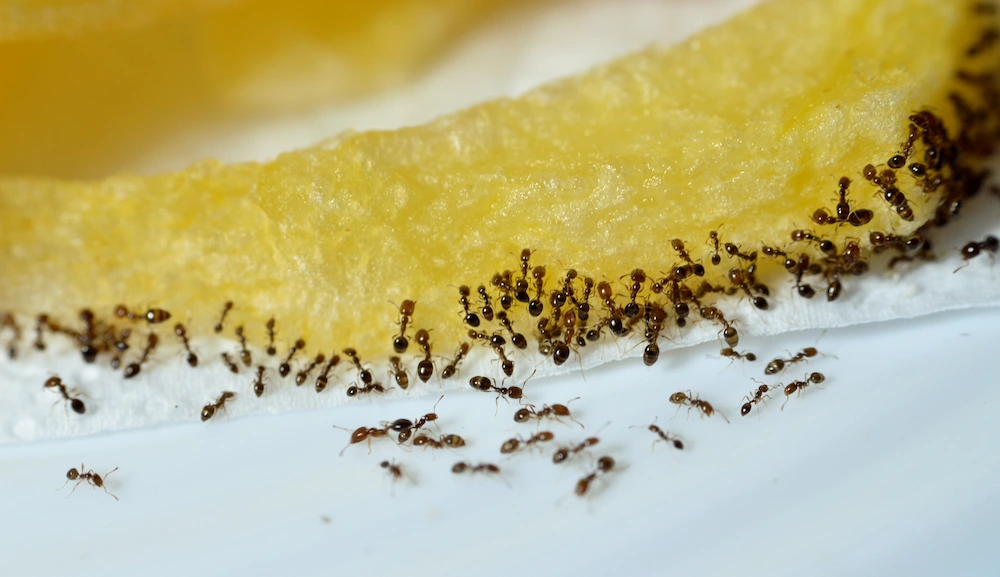
When ants move indoors, they often expand their search for food. Kitchens, pantries, and garbage areas provide steady access to calories that can support a growing colony.
Understanding what ants feed on inside the home can help explain why infestations appear suddenly. If ants find reliable food indoors, they will continue sending workers until the source disappears.
Many infestations begin with a single scout ant discovering a food source. Once it reports back to the colony, dozens or even hundreds of ants can follow the same trail within hours.
Why Food Sources Trigger Ant Infestations
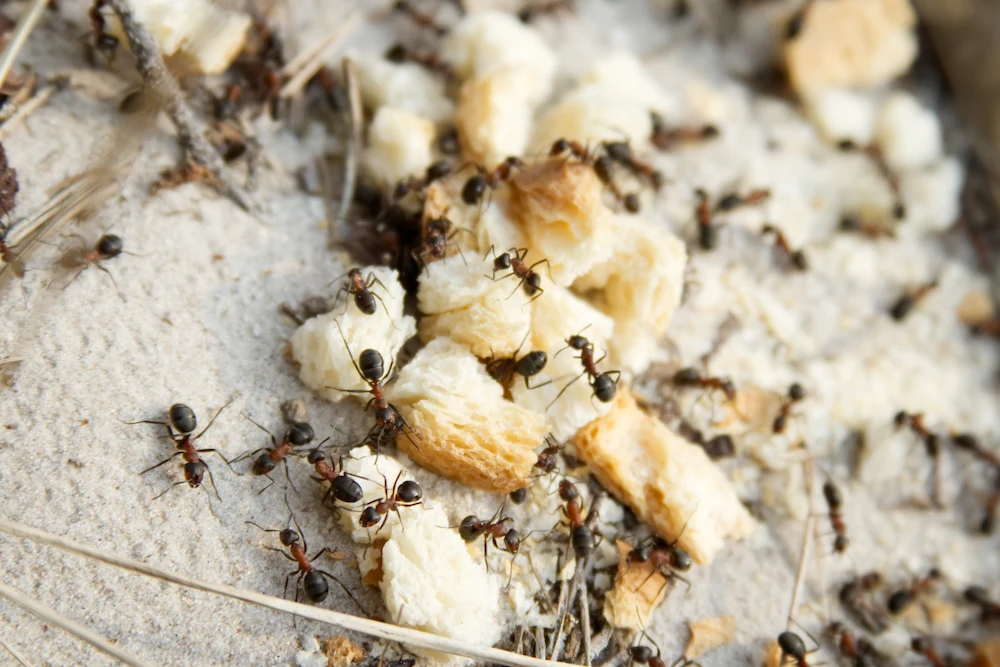
Ant colonies are constantly searching for reliable food. When they discover a consistent supply, such as crumbs under appliances or sugar residue near a sink, they quickly establish regular trails.
Even clean homes can attract ants if small food residues remain unnoticed. Gaps in containers, spills behind appliances, or open pet food bowls are common triggers.
A few simple steps can help reduce food-based ant activity:
- Store pantry foods in airtight containers
- Wipe down countertops and sticky surfaces daily
- Clean under appliances and behind trash bins
- Avoid leaving pet food out overnight
- Take out garbage regularly
These steps can help remove the sources ants rely on, making your home far less attractive to foraging workers.
When Professional Ant Control Becomes Necessary
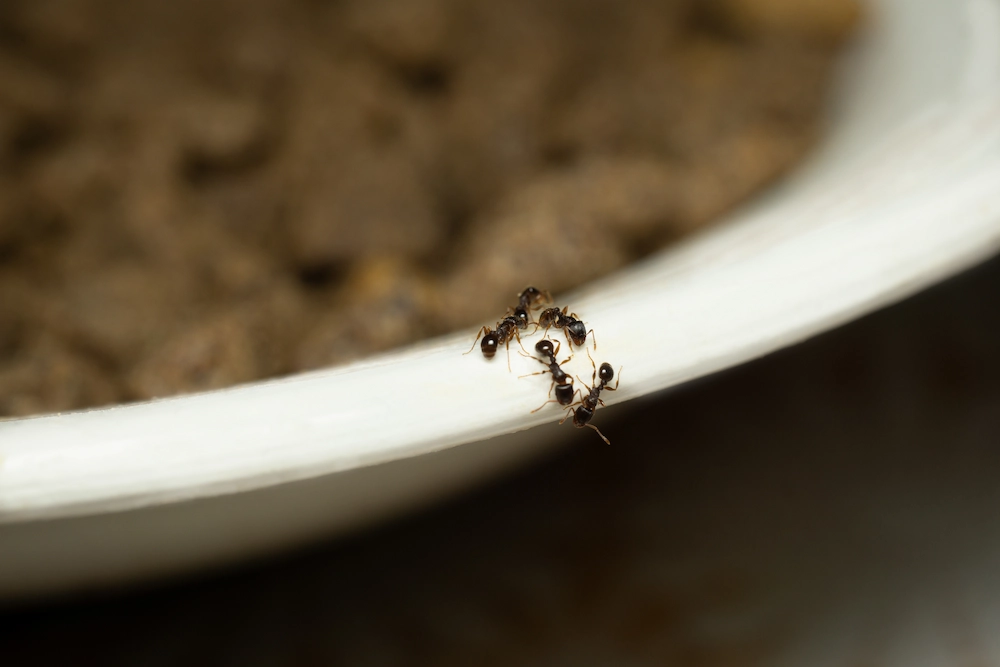
Sometimes removing food sources is not enough to stop an infestation. If ants have already established nests inside walls, under floors, or near foundations, they can continue entering your home even after cleaning.
In those cases, a professional inspection helps identify where ants are nesting and how they are entering. Targeted treatments eliminate the colony and prevent it from returning.
If you are seeing consistent activity, our specialists can help. Homeowners in Virginia can learn more about pest control in Alexandria, VA and how professional treatment keeps ants from coming back.
A Quick Recap
Ants survive by adapting their diet to whatever food is available. Sugary foods provide quick energy for workers, while proteins help support developing larvae. Because ants will eat a wide variety of foods, even small crumbs or spills can attract them indoors.
By understanding what attracts ants and removing those food sources, homeowners can greatly reduce the chance of an infestation. If the problem continues, professional pest control can help eliminate the colony and protect your home long term. Contact us for a free quote today!
Citations
What do ants eat outside & in your home?. (2022, July 25). EarthKind. Retrieved March 16, 2026, from https://www.earthkind.com/blogs/blogs/what-do-ants-eat-outside-in-your-home?srsltid=AfmBOoolZuVkuM5y1cEsDyJ7tyqDWSy13axkIEVaLtC7hoV_CczQUSQK
The Ant’s Grocery List: What Ants Really Eat
The Ant’s Grocery List: What Ants Really Eat The Ant’s Grocery List: What Ants Really Eat Summary: Ants eat a wide variety of [...]
How to Use Spring Cleaning to Prevent Pests
How to Use Spring Cleaning to Prevent Pests How to Use Spring Cleaning to Prevent Pests Summary: Spring cleaning helps prevent pests by [...]
Signs of Termites in a House: What Homeowners Should Watch For
Signs of Termites in a House: What Homeowners Should Watch For Signs of Termites in a House: What Homeowners Should Watch For Summary: [...]
Enjoy a Pest-Free Year With These 10 Easy Steps
Enjoy a Pest-Free Year With These 10 Easy Steps Enjoy a Pest-Free Year With These 10 Easy Steps Summary: A practical guide to keeping a [...]
How Do Pests Contaminate Food?
How Do Pests Contaminate Food? How Do Pests Contaminate Food? Summary: A practical homeowner guide explaining how pests contaminate food through contact, saliva, [...]
The Clear Signs of Bed Bugs in Every Setting
The Clear Signs of Bed Bugs in Every Setting The Clear Signs of Bed Bugs in Every Setting Summary: A setting-by-setting guide to [...]