
Does Chalk Actually Repel Ants?
Does Chalk Actually Repel Ants?
The Theories Behind the Ant DIY Trick
Ant colonies work like a well-oiled machine. Each ant has his/her own job and place within their society fulfilling crucial roles that allow their colony to survive and thrive. For foraging ants, this means that they are constantly on the prowl for sources of food. When one of these foraging ants locates a food source, they leave behind an invisible chemical trail in their wake to lead their other colony members right to the same source. Due to this, many preventative ant treatments are rooted in the disruption of these trails so that an entire colony essentially does not have “directions” to your home.
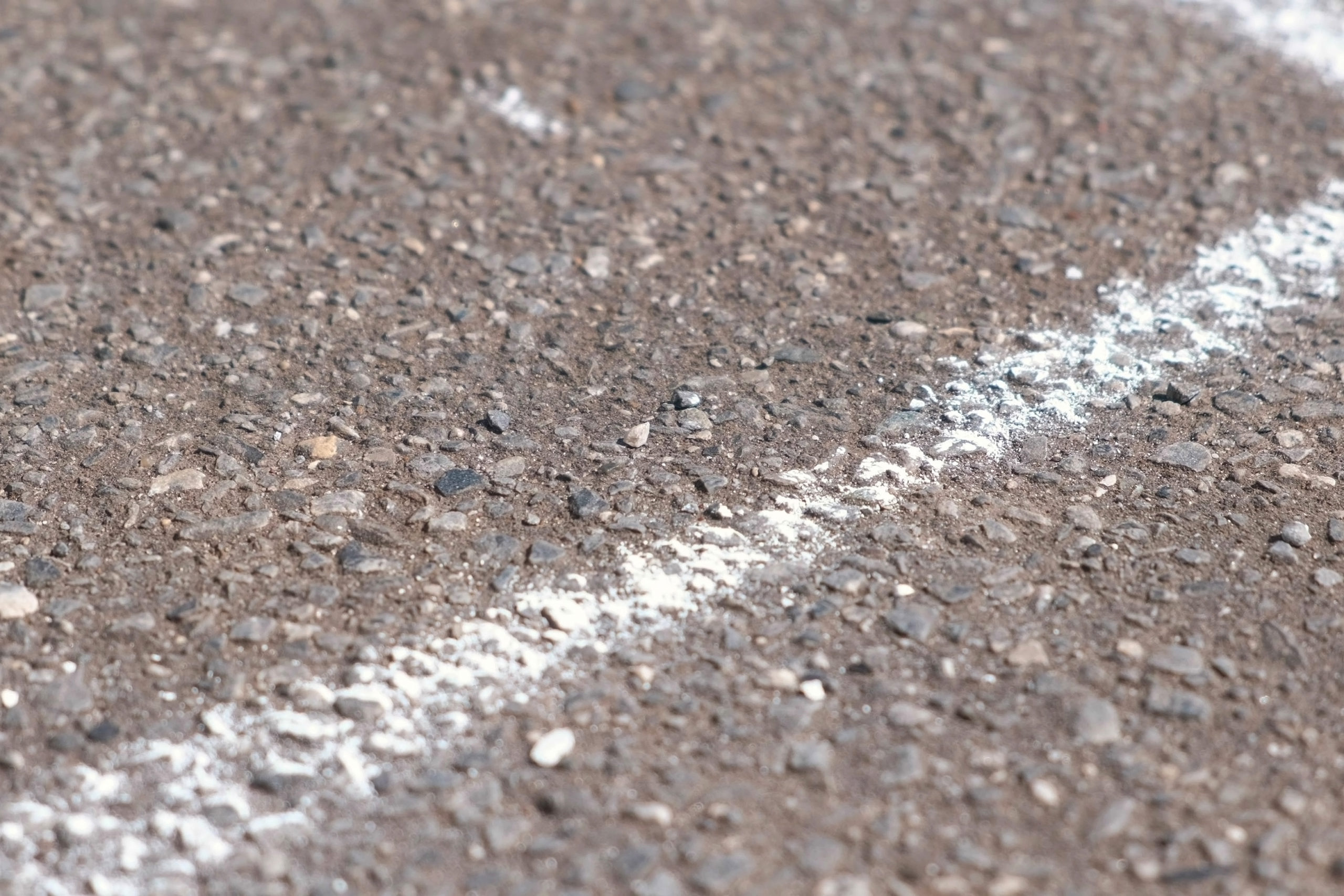
The application of chalk lines is intended to do this exact disruption. There are different theories as to what exactly within the chalk causes this chemical disruption. Some people believe that the desired effect is only reached when chalk contains talcum powder, which is commonly used in tailor’s chalk or French chalk, while others argue that it’s chalk made of crushed sea shells containing calcium carbonate that acts as the natural ant repellant. But, regardless of what ingredient supposedly makes the chalk effective, is this actually a successful DIY method of ant abatement?

Fact or Myth?
In short, not really. Chalk lines are not impassible for ants, and the scent trail still exists on the other side of the line. So, if an ant simply crosses over the chalk, or finds another way around, they can easily pick up on the scent trail once more and continue their pillaging of your home’s pantry. Furthermore, even if the chalk manages to minorly disrupt the ants, the application of chalk lines is a very short-term treatment and would need to be regularly reapplied to have any effect at all.

Insecticide Chalk
In response to this old myth of chalk preventing ant invasions, some companies have created special chalk laced with insecticides. When applied this kind of chalk has been found to be more effective against ants than normal types of chalk. However, the applications still only last a short while and do not cover nearly as much ground as sprays and dusting, leading to it being far less effective than professional ant protection methods.
Solving Ant Infestations
Ants are some of the most common pests in Virginia. They are maddeningly persistent invaders and are frustratingly difficult to treat. For the best ant protection, you need professional ant extermination treatments that can both stop any ongoing ant problems, as well as preventing future infestations. Call us today for more information on how we can help you purge your home of these persistent pests.

Pests That Work in Teams: Why Social Pests Are Harder to Ignore
Pests That Work in Teams: Why Social Pests Are Harder to Ignore Pests That Work in Teams: Why Social Pests Are Harder to Ignore [...]
How to Prevent Flies Inside and Out: Make Your Home Less Attractive
How to Prevent Flies Inside and Out: Make Your Home Less Attractive How to Prevent Flies Inside and Out: Make Your Home Less Attractive [...]
5 Pests That Love Crawl Spaces and Why They Move In
5 Pests That Love Crawl Spaces and Why They Move In 5 Pests That Love Crawl Spaces and Why They Move In Summary: [...]
What Attracts Wasps to Your Yard? Common Reasons They Keep Coming Back
What Attracts Wasps to Your Yard? Common Reasons They Keep Coming Back What Attracts Wasps to Your Yard? Common Reasons They Keep Coming Back [...]
Why DIY Pest Treatments Often Fail: They Don’t Reach the Root of the Problem
Why DIY Pest Treatments Often Fail: They Don’t Reach the Root of the Problem Why DIY Pest Treatments Often Fail: They Don’t Reach the Root [...]
Most Common Mosquito Habitats: Where Mosquitoes Live and Breed
Most Common Mosquito Habitats: Where Mosquitoes Live and Breed Most Common Mosquito Habitats: Where Mosquitoes Live and Breed Summary: Mosquitoes thrive in standing [...]