
Favorite Foods of Rats and Mice
Favorite Foods of Rats and Mice
Summary: Rats and mice are surprisingly picky about what they eat—especially when living in or around homes. This blog explores the favorite foods of rats and mice, the everyday items that attract them indoors, and how to prevent these rodents from finding food sources in your home. Green Pest Services offers professional rodent control to protect your household year-round.
Rats and mice are resourceful little foragers. If food is available—even in the smallest crumbs—they’ll find it. Knowing the favorite foods of rats and mice helps homeowners understand why these pests stick around and how to stop them from settling in.
Let’s take a closer look at what rodents love to eat, why those foods attract them, and what you can do to make your home less appealing to them.
What Do Rats Eat?
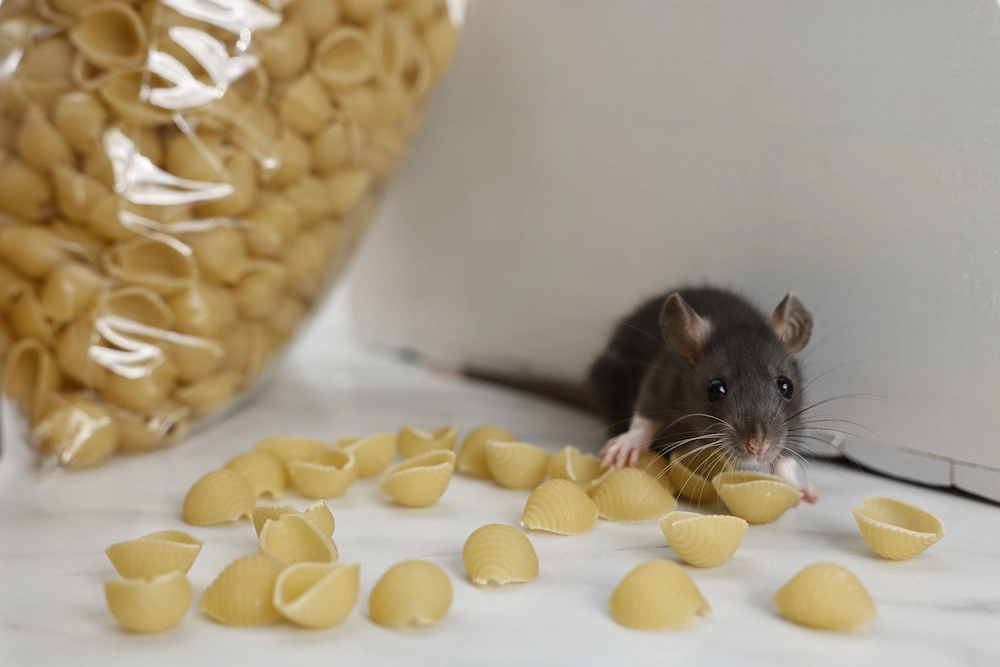
Rats are opportunistic eaters, meaning they’ll consume almost anything. In the wild, they eat seeds, grains, and vegetation, but when they move indoors, their diet changes dramatically. Pantry goods, pet food, and even trash quickly become their main meals.
Some of the top foods that attract rats include:
- Cereal, grains, and rice
- Bread, pasta, and other carbohydrates
- Meat scraps and fatty leftovers
- Fruits and nuts left out or unsealed
Since they can chew through plastic and cardboard, rats easily access packaged food items if not stored properly. Once they find a consistent source, they’ll return night after night.
Mice Attracted to Fruits and Nuts

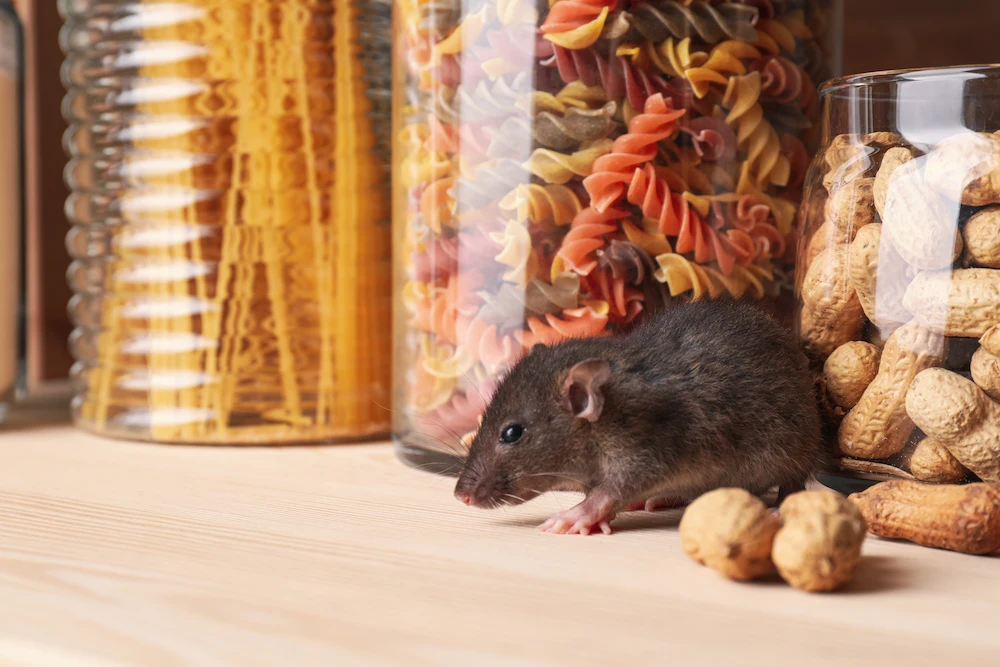
Mice share many of the same cravings as rats, but they’re particularly drawn to sweeter and high-energy foods. Fruits and nuts top the list, which makes kitchen counters and pantries perfect for exploration. Even small bits of apple, peanut butter, or granola are enough to attract these tiny rodents.
If mice discover that your kitchen offers easy access to food, they’ll build nests close by—often in walls, cabinets, or behind appliances. This is why even small spills or crumbs can lead to a larger infestation.
Rodent Food Sources in Homes
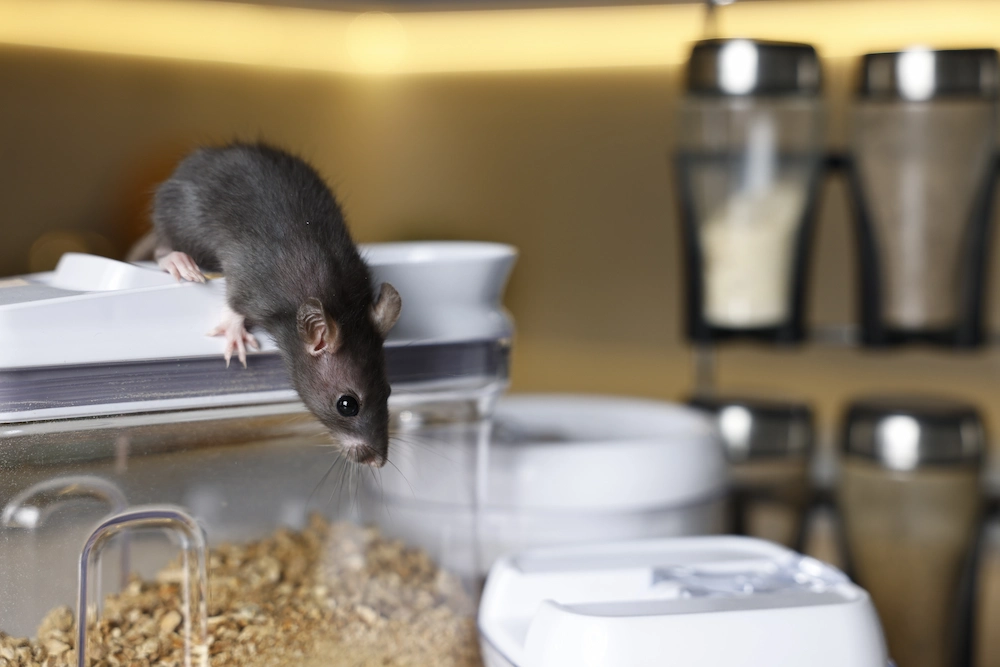
Rodents don’t just rely on what’s in the pantry. They’re remarkably adaptable and find food in many everyday places around a home. Some common food sources include:
- Pet food bowls left out overnight
- Unsealed garbage cans or compost bins
- Birdseed stored in garages or sheds
- Crumbs under appliances or behind furniture
Addressing these areas is one of the best ways to prevent infestations. Regular cleaning, proper food storage, and sealing trash cans can make a huge difference in keeping rodents away. Remove access to the favorite foods of rats and mice, and the risk of infestation decreases.
Why Food Access Leads to Rodent Infestations
Rodents breed rapidly when they have access to food and shelter. A single pair of mice can produce dozens of offspring within months, creating an exponential problem. Food availability not only encourages them to stay—it allows populations to grow quickly.
That’s why pest prevention isn’t just about setting traps. It’s about creating an environment where rodents can’t find food in the first place.
Preventing Rodent Problems in Your Home
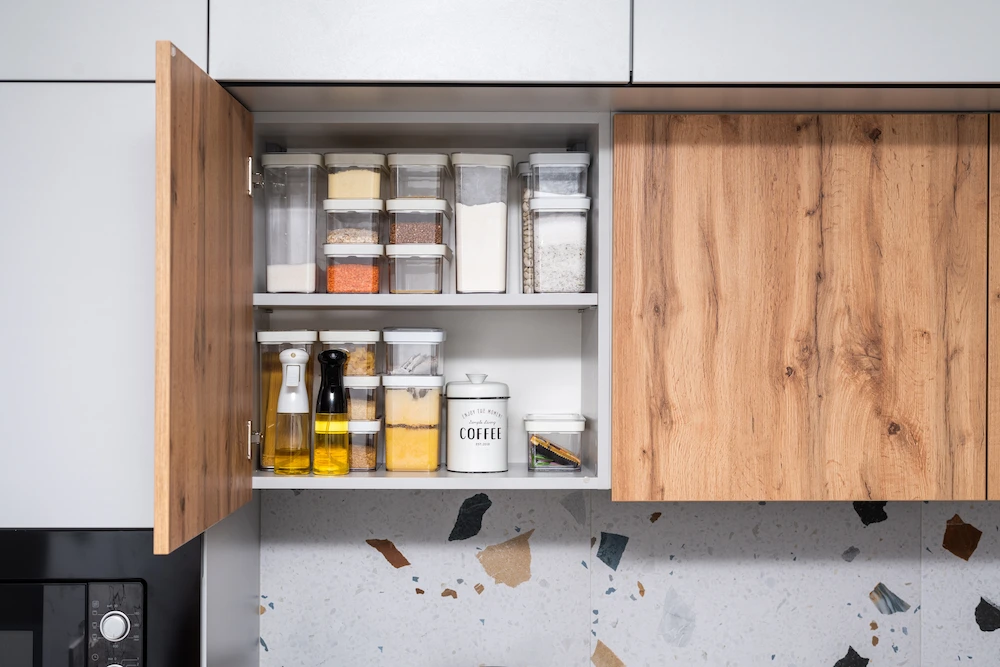
Keeping food properly sealed and stored is the first line of defense against rats and mice. Here are a few quick tips that make a major impact:
- Store dry goods in airtight containers made of glass or metal
- Clean crumbs and spills as soon as they occur
- Feed pets at designated times and store leftover food securely
- Take out household trash regularly and secure outdoor bins with tight lids
If you notice gnaw marks, droppings, or scratching noises in walls, it’s time to bring in professionals. Green Pest Services provides comprehensive rodent control services in Virginia that target infestations at the source and prevent future problems. Our trained technicians understand local pest behavior and create long-term solutions for every home.
Safeguard Your Home with Green Pest Services
Rodents are clever survivors, but that doesn’t mean you have to share your home with them. Green Pest Services helps homeowners keep their spaces clean, safe, and pest-free. With customized treatments and ongoing prevention, we’ll ensure rats and mice don’t make your kitchen their favorite restaurant. Just because your home has the favorite foods of rats and mice doesn’t grant them free access.
Contact our team today for an inspection and say goodbye to unwanted houseguests for good!
Citations
What mice and rats like to eat. (n.d.). Terminix. Retrieved October 21, 2025, from https://www.terminix.com/rodents/what-do-rodents-eat/
The Ant’s Grocery List: What Ants Really Eat
The Ant’s Grocery List: What Ants Really Eat The Ant’s Grocery List: What Ants Really Eat Summary: Ants eat a wide variety of [...]
How to Use Spring Cleaning to Prevent Pests
How to Use Spring Cleaning to Prevent Pests How to Use Spring Cleaning to Prevent Pests Summary: Spring cleaning helps prevent pests by [...]
Signs of Termites in a House: What Homeowners Should Watch For
Signs of Termites in a House: What Homeowners Should Watch For Signs of Termites in a House: What Homeowners Should Watch For Summary: [...]
Enjoy a Pest-Free Year With These 10 Easy Steps
Enjoy a Pest-Free Year With These 10 Easy Steps Enjoy a Pest-Free Year With These 10 Easy Steps Summary: A practical guide to keeping a [...]
How Do Pests Contaminate Food?
How Do Pests Contaminate Food? How Do Pests Contaminate Food? Summary: A practical homeowner guide explaining how pests contaminate food through contact, saliva, [...]
The Clear Signs of Bed Bugs in Every Setting
The Clear Signs of Bed Bugs in Every Setting The Clear Signs of Bed Bugs in Every Setting Summary: A setting-by-setting guide to [...]